
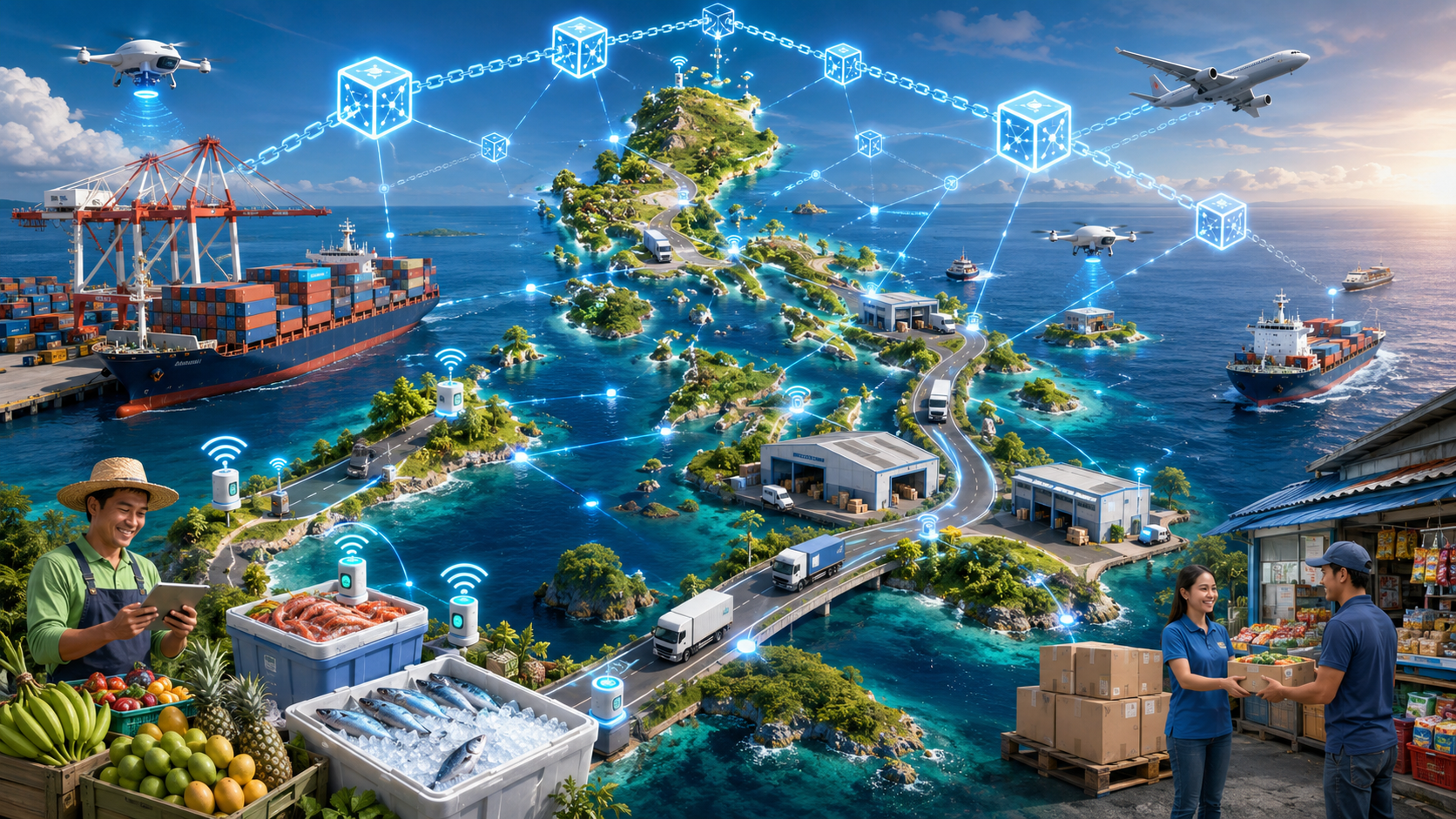
The logistics and supply chain sector in the Philippines has long faced a variety of structural and operational challenges, ranging from fragmented transportation networks to inefficiencies in tracking goods and ensuring transparency. In recent years, the emergence of Web3 technologies—an evolution of the internet emphasizing decentralization, blockchain, and token-based systems—has offered promising solutions to these long-standing problems. By leveraging Web3, businesses in the Philippines can enhance visibility, security, and efficiency across their logistics and supply chain networks.
One of the critical challenges in the Philippine logistics sector is the lack of transparency in the movement of goods. Delays, lost shipments, and miscommunication between stakeholders are frequent issues, especially for small and medium-sized enterprises (SMEs) that rely on multiple carriers and local distributors. Web3 technologies, particularly blockchain, can address these problems by providing immutable, decentralized ledgers that track every transaction and shipment in real-time. For instance, blockchain-enabled smart contracts can automatically verify and record the transfer of goods from suppliers to transporters and ultimately to retailers. This ensures that all parties have access to accurate, tamper-proof information, reducing disputes and increasing trust.
Another significant advantage of Web3 in logistics is the improvement of supply chain traceability. In the Philippines, industries such as agriculture, fisheries, and pharmaceuticals often struggle with verifying the origin and quality of products. Blockchain-based solutions allow end-to-end tracking, enabling consumers, regulators, and businesses to verify product authenticity and quality. For example, farmers exporting mangoes or seafood can log production details, storage conditions, and shipping timelines on a blockchain platform. This not only boosts consumer confidence but also aligns with international standards, facilitating smoother export processes.
Web3 also enables decentralized logistics marketplaces, which can optimize resource allocation and reduce inefficiencies. In many regions of the Philippines, logistical capacity is underutilized due to fragmented service providers and inconsistent scheduling. Decentralized platforms can connect shippers, transporters, and warehouses directly, bypassing intermediaries and reducing costs. Token-based incentive systems can further improve operational efficiency by rewarding timely deliveries and penalizing delays, creating a more reliable logistics ecosystem.
Moreover, Web3 technology can enhance financial processes within the supply chain. Cross-border transactions and payments have traditionally been slow and costly in the Philippines, especially for SMEs dealing with international partners. Cryptocurrency and stablecoin solutions, underpinned by blockchain, allow near-instantaneous, secure transactions with lower fees compared to traditional banking systems. This facilitates smoother international trade and strengthens the competitiveness of Philippine businesses on the global stage.
The integration of Internet of Things (IoT) devices with Web3 platforms further amplifies the benefits for logistics management. IoT sensors can collect real-time data on temperature, humidity, and location, which are then recorded on a blockchain. This is particularly valuable for industries such as pharmaceuticals, food distribution, and perishable goods, where maintaining specific conditions is critical. By combining IoT data with decentralized verification, businesses can proactively address issues such as spoilage or unauthorized handling, ultimately reducing losses and improving operational reliability.
However, adopting Web3 in the Philippines also faces challenges, including regulatory uncertainty, technological literacy gaps, and high initial infrastructure costs. Overcoming these obstacles requires collaboration between government agencies, private enterprises, and technology providers. Regulatory frameworks must adapt to accommodate blockchain and decentralized finance solutions while ensuring data privacy and security. Training programs and pilot projects can facilitate adoption among SMEs, helping them harness the potential of Web3 without being hindered by technological barriers.
Despite these challenges, the potential of Web3 to transform logistics and supply chains in the Philippines is significant. By providing transparency, traceability, decentralized marketplaces, financial efficiency, and IoT integration, Web3 technologies can address long-standing inefficiencies and unlock new opportunities for growth. As the country continues to modernize its infrastructure and digital capabilities, the adoption of Web3 solutions may become a key driver in creating a more resilient, efficient, and competitive logistics ecosystem.