
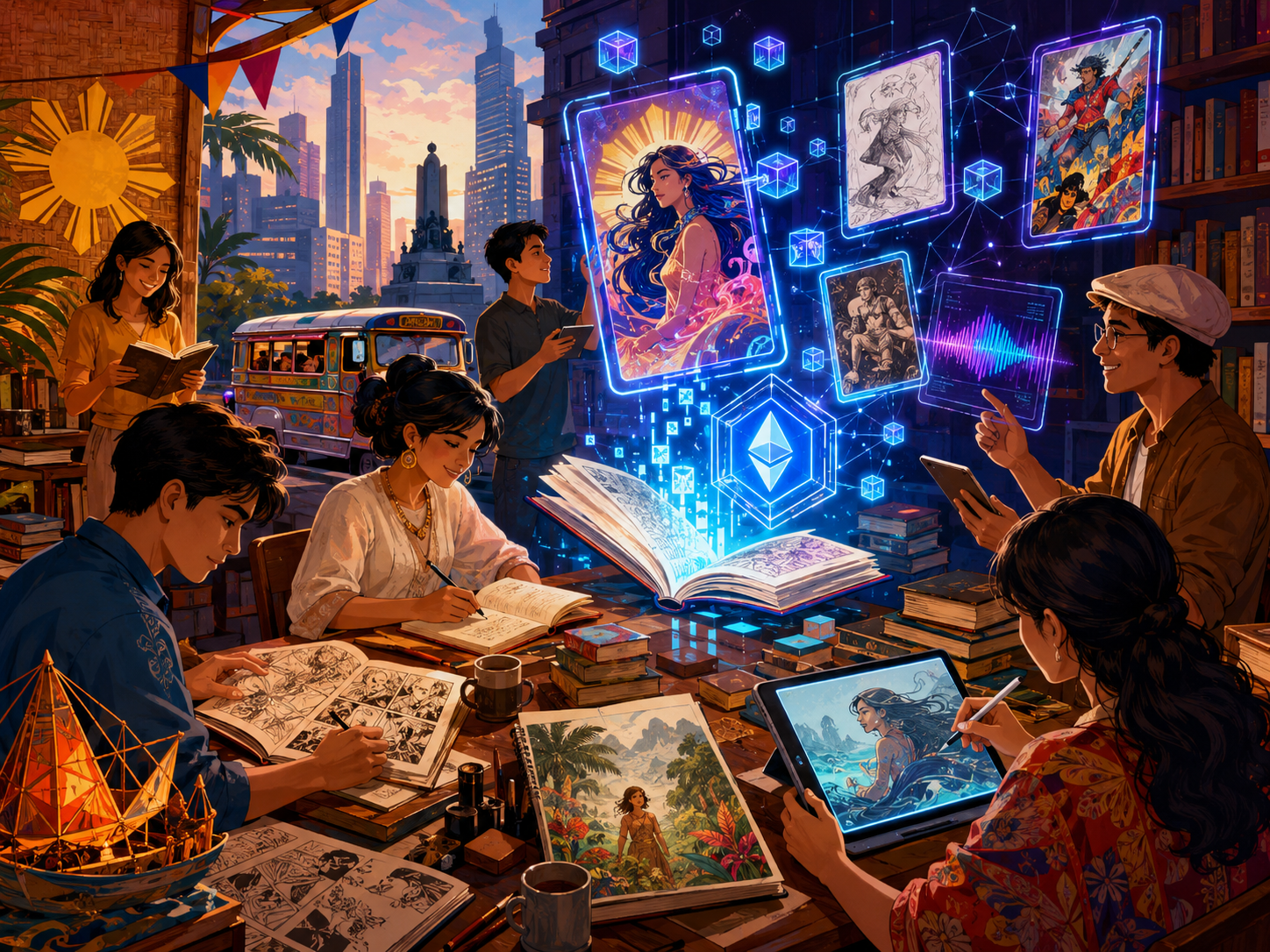
The publishing and book sector in the Philippines has long been shaped by a strong literary culture, independent presses, university publishers, community-based writers, and a growing digital readership. As Filipino authors and publishers explore new ways to reach audiences, non-fungible tokens, or NFTs, are becoming an interesting tool for creating rare digital editions of books, poems, comics, illustrations, manuscripts, and literary collectibles.
In publishing, an NFT can function as a certificate of ownership for a unique or limited digital work. Unlike ordinary e-books that can be copied endlessly, an NFT edition can be issued in a fixed quantity. For example, a poet may release only 50 tokenized copies of a digital poetry collection, each with exclusive cover art, audio readings, or handwritten notes. A novelist could offer a special NFT edition that includes deleted chapters, early drafts, or access to a private online discussion. This scarcity gives digital books a collectible quality that traditional e-books usually do not have.
For the Philippine book industry, NFTs can be especially useful for independent authors and small publishers. Many Filipino writers face challenges such as limited distribution, high printing costs, piracy, and difficulty reaching international readers. NFT platforms may allow authors to sell directly to readers and collectors without relying entirely on bookstores or large distributors. This can open opportunities for writers in Manila, Cebu, Davao, and regional literary communities to present their work to a global audience.
NFTs may also support Filipino komiks creators, illustrators, and children’s book artists. The Philippines has a rich visual storytelling tradition, and digital collectibles can help preserve and monetize rare artwork. A limited NFT release could include a digital comic issue, character sketches, animated panels, or behind-the-scenes concept art. For readers, this creates a deeper connection with the creative process. For artists, it offers another income stream beyond commissions, print sales, or convention appearances.
Another important feature of NFTs is the possibility of royalties through smart contracts. In a traditional book sale, an author usually earns only from the first purchase. With NFTs, creators may receive a percentage whenever the digital item is resold on a marketplace, depending on the platform and contract terms. This is significant for literary creators whose works may gain value over time. A rare digital first edition of a Filipino speculative fiction story, for instance, could continue generating income if collectors trade it in the future.
NFT projects can also help preserve Philippine literary heritage. Publishers, libraries, or cultural organizations could create limited digital editions of public-domain texts, historical essays, archival letters, or classic illustrations. These projects would need careful ethical and legal handling, especially when dealing with cultural materials, indigenous stories, or works connected to national memory. However, when done responsibly, NFTs may attract younger audiences to Philippine literature and history.
Still, the use of NFTs in publishing comes with challenges. Many readers are unfamiliar with crypto wallets, blockchain platforms, and digital ownership. Environmental concerns, market speculation, copyright disputes, and platform instability have also affected public trust in NFTs. For Philippine publishers, education is essential. NFT literary projects should not be presented only as investments, but as meaningful digital editions that offer artistic, cultural, or community value.
The strongest NFT book projects in the Philippines would likely combine rarity with substance. A simple PDF attached to a token may not be enough. Readers need added value: exclusive annotations, author recordings, collector covers, interactive events, signed digital certificates, or membership in a literary community. In this way, NFTs can become more than a trend. They can serve as tools for creative ownership, reader engagement, and the preservation of rare Filipino digital works.