
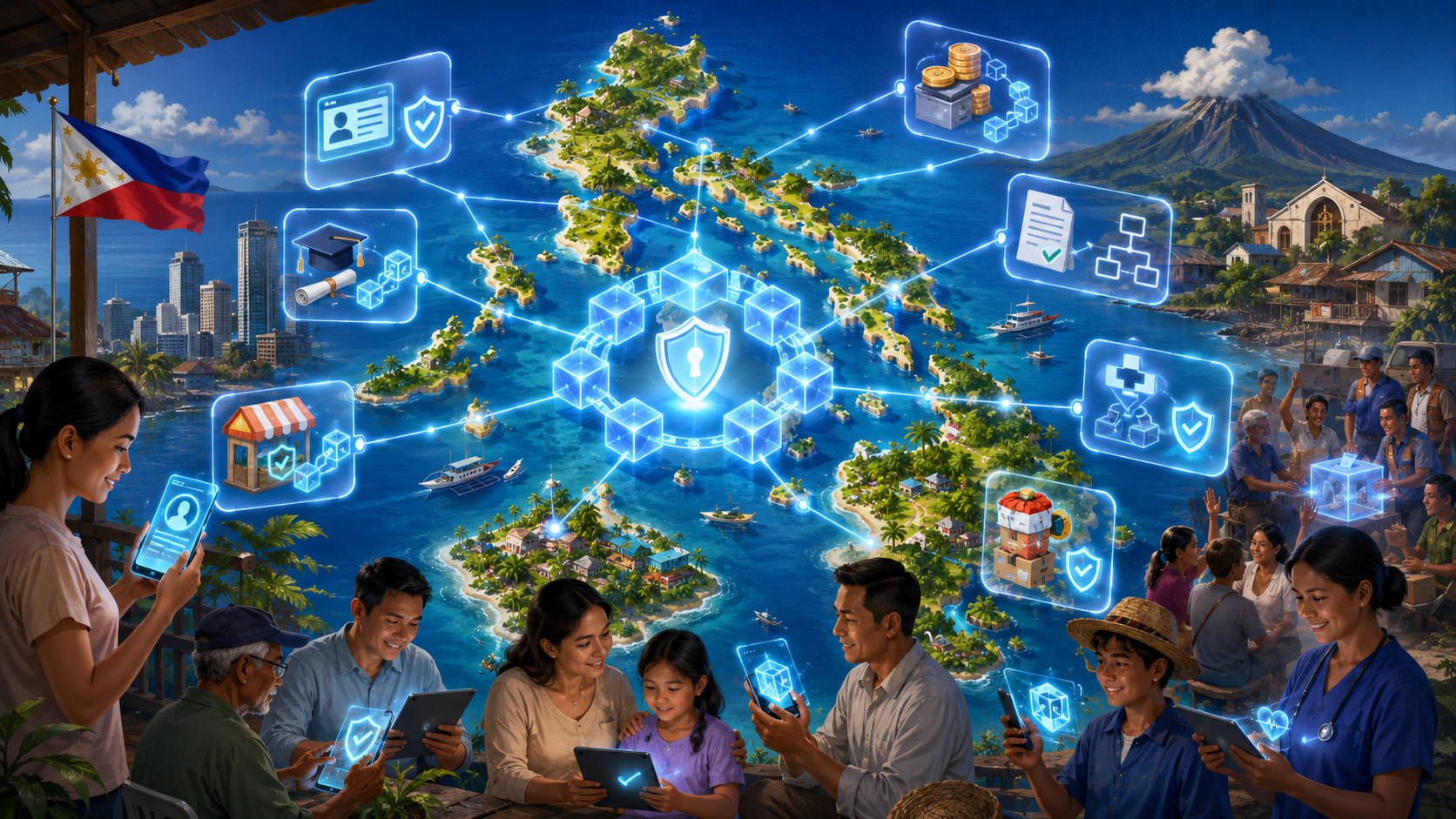
Web3 is increasingly being discussed as a transformative framework for public service delivery, especially in countries seeking greater transparency, efficiency, and citizen participation. In the Philippines, where public services are spread across more than 7,000 islands, decentralized digital infrastructure can help address long-standing challenges such as bureaucratic delays, uneven access to government offices, corruption risks, and fragmented data systems. By using blockchain, digital identity, smart contracts, and decentralized applications, Web3 can support a more secure and citizen-centered model of governance.
One of the most important contributions of Web3 is the creation of reliable digital identity systems. Many Filipinos still face difficulties accessing public services because of incomplete documentation, geographic barriers, or inconsistent records across agencies. A blockchain-based digital identity could allow citizens to control and verify their personal information without repeatedly submitting the same documents to different government offices. For example, a verified digital identity could be used for social welfare applications, healthcare access, tax registration, education records, and business permits. Because blockchain records are difficult to alter, this system can also reduce identity fraud and improve trust between citizens and institutions.
Web3 can also improve transparency in public finance and procurement. Government spending, infrastructure projects, and aid distribution are often areas where citizens demand clearer accountability. Through blockchain-based ledgers, transactions can be recorded in a way that is publicly auditable while still protecting sensitive information. This could allow citizens, journalists, auditors, and civil society organizations to track how funds are allocated and whether projects are completed according to plan. In disaster response, which is highly relevant to the Philippines because of frequent typhoons, blockchain can help monitor donations, relief goods, and cash assistance from source to recipient.
Smart contracts are another useful Web3 tool for government services. These are self-executing digital agreements that automatically perform actions when certain conditions are met. In the public sector, smart contracts could streamline processes such as business licensing, land registration, scholarship distribution, and conditional cash transfers. For small business owners, this may reduce the need for multiple in-person visits and manual approvals. For government agencies, automation can lower administrative costs and reduce opportunities for bribery or unnecessary delays.
Decentralized governance can also strengthen citizen participation. Web3 platforms can support secure online voting, community consultations, participatory budgeting, and feedback systems. Local government units in the Philippines could use decentralized platforms to allow residents to vote on barangay projects, report service issues, or monitor local budgets. This is especially valuable in remote communities where physical participation in government meetings may be difficult. When designed properly, these systems can make governance more inclusive and responsive.
However, implementing Web3 in Philippine public services requires careful planning. Internet access remains uneven, especially in rural and island communities. Digital literacy is also a major concern, as citizens must understand how to use digital wallets, protect private keys, and recognize scams. The government must also ensure strong data protection, cybersecurity, and legal frameworks. Web3 should not replace human-centered public service; rather, it should support better systems that remain accessible to people who are not yet fully digital.
The Philippines has a strong foundation for Web3 adoption because of its young, tech-savvy population, growing fintech sector, and active blockchain community. Yet success will depend on responsible implementation. Public agencies must prioritize interoperability, citizen privacy, open standards, and practical use cases rather than adopting blockchain simply as a trend. When applied thoughtfully, Web3 can help the Philippines build government services that are more transparent, efficient, resilient, and accessible to all citizens.