
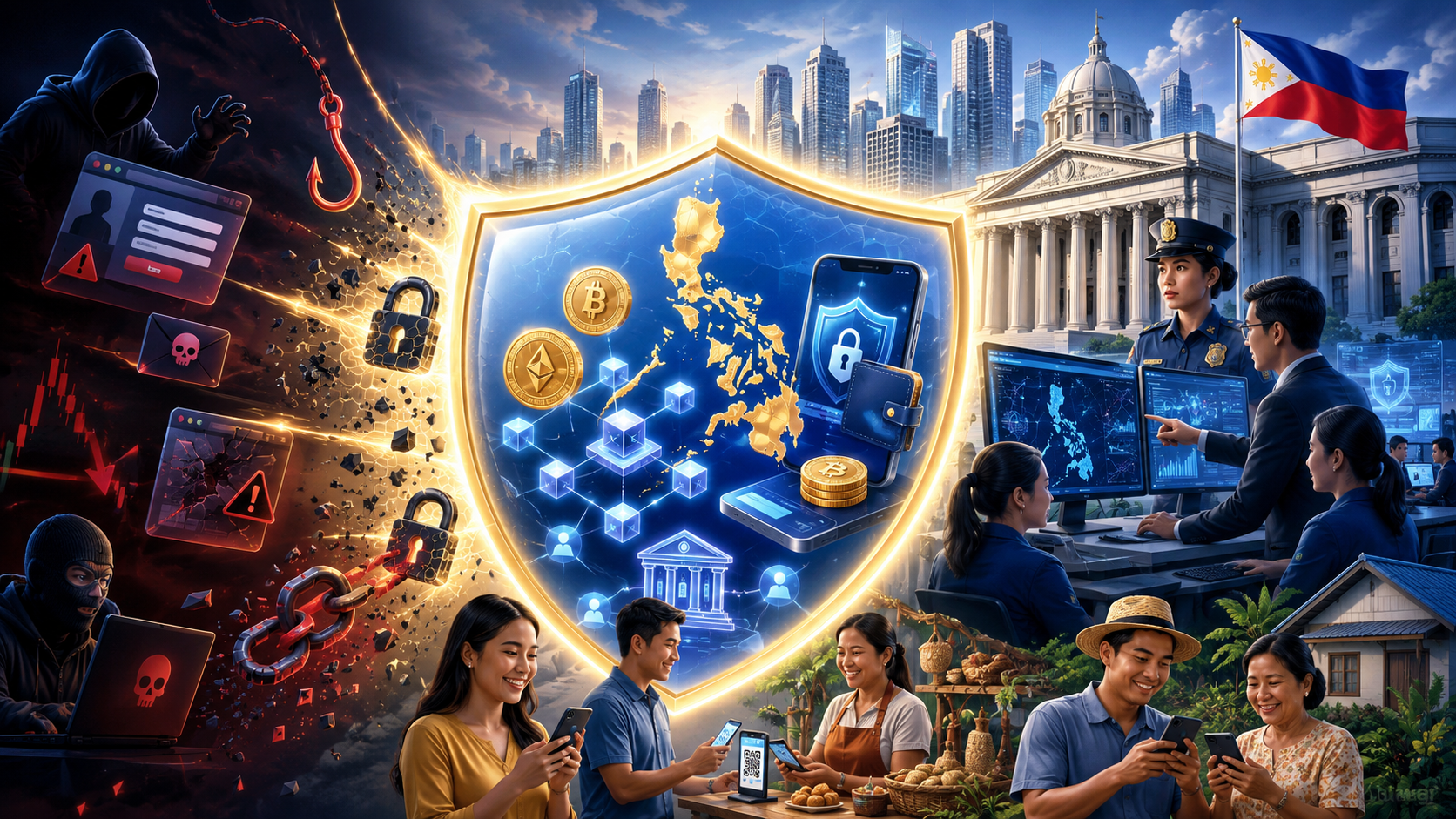
The rapid growth of cryptocurrency in the Philippines has created new opportunities for investment, remittances, digital payments, and financial inclusion. However, it has also opened the door to scams, fake investment platforms, phishing schemes, Ponzi-style crypto projects, and unlicensed exchanges. To respond to these risks, the Philippine government has taken a more active role in regulating the crypto sector, protecting consumers, and strengthening cybersecurity.
One of the most important institutions involved is the Bangko Sentral ng Pilipinas, or BSP. The BSP regulates Virtual Asset Service Providers, commonly known as VASPs. These include crypto exchanges, wallet providers, and companies that allow users to convert digital assets into fiat currency. By requiring VASPs to register and comply with anti-money laundering rules, the BSP helps ensure that crypto platforms operate with proper security systems, customer verification procedures, and reporting mechanisms. This reduces the risk of criminals using crypto services for fraud, money laundering, or terrorist financing.
The Securities and Exchange Commission Philippines also plays a major role, especially in stopping fraudulent investment schemes. Many crypto scams are promoted as “guaranteed profit” opportunities, promising high returns with little or no risk. The SEC regularly issues public advisories against companies and individuals offering unauthorized crypto investments. It also warns the public about platforms that operate without proper registration. These advisories are important because many victims are attracted by aggressive online marketing, social media influencers, and referral-based rewards.
Another key government body is the Anti-Money Laundering Council. Since cryptocurrency can be transferred quickly across borders, it can be misused to hide illegal funds. The AMLC works with financial institutions and regulated crypto service providers to monitor suspicious transactions. Through Know Your Customer procedures, transaction reporting, and cooperation with law enforcement agencies, the government can better trace suspicious activity and prevent digital assets from becoming a tool for organized crime.
Cybersecurity is also a major part of the government’s strategy. Agencies such as the Department of Information and Communications Technology, the Cybercrime Investigation and Coordinating Center, and the Philippine National Police Anti-Cybercrime Group help investigate online fraud, hacking incidents, identity theft, and phishing attacks. These agencies support victims, track cybercriminals, and coordinate responses to digital threats. Their role is especially important because crypto scams often involve fake websites, hacked social media accounts, impersonation, and malicious links.
Public education is another essential government responsibility. Regulation alone cannot stop crypto fraud if users do not understand the risks. The government has repeatedly reminded the public to verify whether a platform is registered, avoid unrealistic profit promises, protect private keys, and be cautious of strangers offering investment advice online. Financial literacy campaigns help Filipinos recognize warning signs such as pressure to invest quickly, referral bonuses, anonymous founders, and claims of risk-free income.
The Philippine government also strengthens crypto security by encouraging cooperation between regulators, banks, telecom companies, internet service providers, and international partners. Because many scams operate across borders, local enforcement is not enough. Cross-border coordination helps authorities track stolen assets, identify foreign-based operators, and shut down illegal platforms more effectively.
Overall, the government’s role is not to eliminate cryptocurrency, but to make the digital asset ecosystem safer and more accountable. Through licensing, enforcement, consumer warnings, cybersecurity investigations, and public education, the Philippines is building a stronger defense against crypto fraud. As digital assets continue to evolve, the country’s challenge is to balance innovation with protection, allowing legitimate crypto services to grow while making it harder for scammers to exploit Filipino users.