
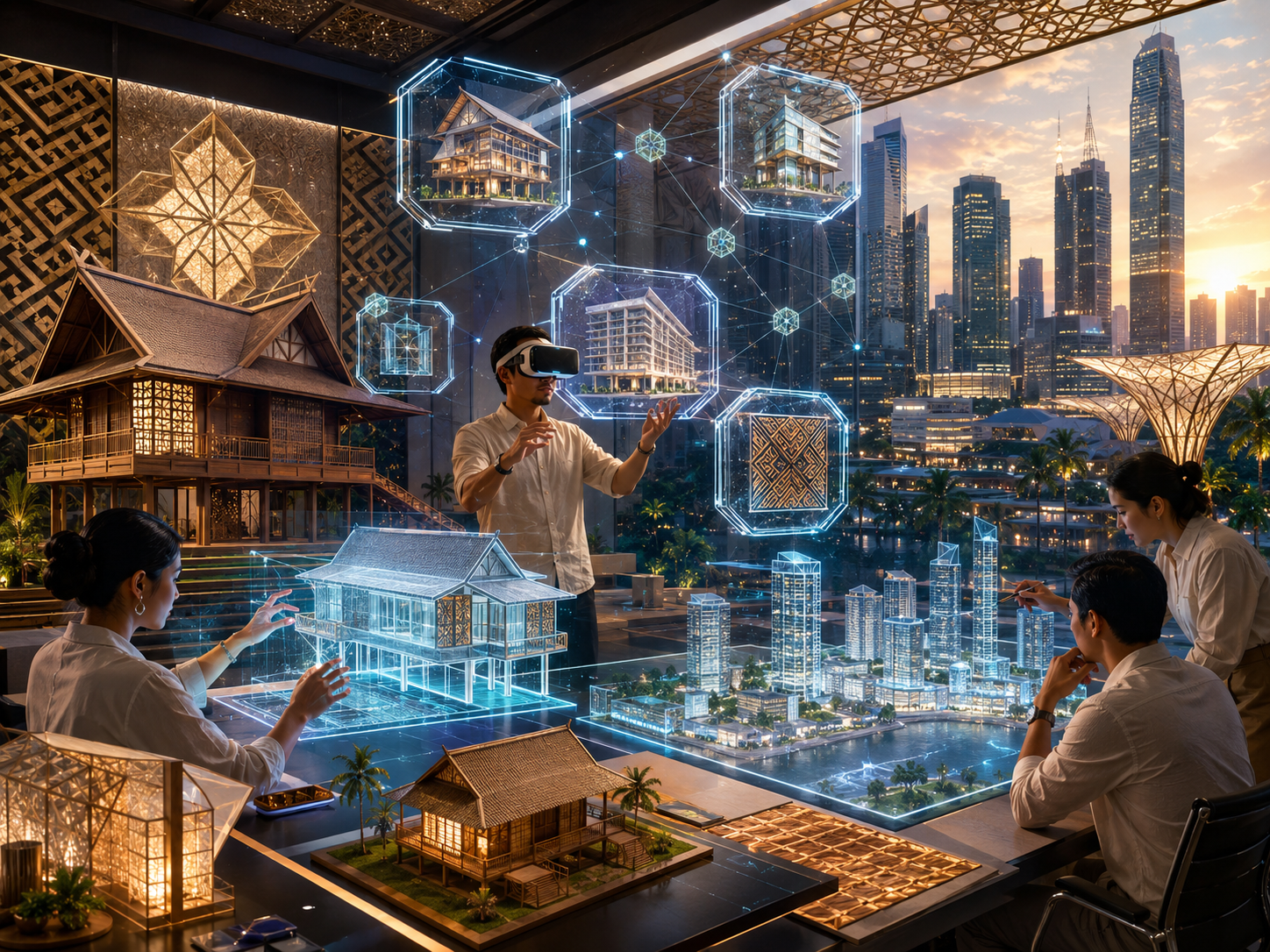
The rise of blockchain technology has transformed many sectors, and the architecture industry in the Philippines is no exception. Non-fungible tokens (NFTs), which allow digital assets to be uniquely verified and traded, are beginning to reshape the way architects conceptualize, design, and monetize their work. While NFTs initially gained attention in the art and entertainment sectors, Philippine architects are exploring their potential to introduce innovative designs, alternative revenue streams, and more dynamic client engagement strategies.
NFTs provide architects with an unprecedented opportunity to digitize architectural concepts, models, and even experiential designs. Traditionally, architectural designs are presented in physical models, CAD files, or renderings, which are often limited to client presentations and documentation. With NFTs, these designs can be transformed into digital assets that hold verifiable ownership and scarcity. For example, a Filipino architect could mint a 3D visualization of a building or an entire urban development concept as an NFT, allowing clients or investors to purchase or trade ownership rights. This not only enhances the prestige and marketability of the architect’s work but also provides a new avenue for funding projects that might otherwise struggle to secure traditional investment.
The Philippine architecture scene, known for blending traditional Filipino design with contemporary innovations, is particularly suited for NFT integration. By digitizing indigenous patterns, sustainable building concepts, and cultural motifs into NFT formats, architects can preserve and promote Filipino heritage while reaching global audiences. Furthermore, these digital assets can be paired with virtual or augmented reality experiences, allowing potential buyers, investors, or enthusiasts to explore the design interactively before any physical construction begins. This intersection of technology, culture, and design introduces a new paradigm in architectural presentation and engagement.
From a business perspective, NFTs open several novel models for Filipino architecture firms. First, architects can sell NFTs as standalone digital collectibles, offering limited-edition designs or conceptual models. Second, NFTs can function as “tickets” or membership tokens that grant holders access to exclusive design consultations, early project previews, or participatory decision-making in urban planning initiatives. Third, NFTs can be tied to revenue-sharing models, where digital ownership correlates with a share in the profits from the construction or commercial utilization of the real-world project. Such mechanisms provide architects with diversified revenue streams that go beyond conventional project fees and contractual arrangements.
Additionally, integrating NFTs encourages collaborations between architects, digital artists, and blockchain developers. In the Philippines, this could stimulate cross-disciplinary partnerships that produce hybrid works—combining architecture, animation, and gamified experiences—attracting both local and international attention. For instance, a high-rise design could be tokenized as a series of NFTs representing different floors or apartments, each offering exclusive digital content, simulations, or benefits. This approach transforms traditional real estate into a hybrid physical-digital asset ecosystem, appealing to investors who value both the design and the collectible aspect of the NFT.
However, adoption of NFTs in Philippine architecture also faces challenges. Legal frameworks surrounding digital asset ownership, intellectual property rights, and real estate tokenization remain underdeveloped. Additionally, high blockchain transaction fees and energy consumption concerns may pose practical barriers for small-scale firms. Despite these hurdles, pioneering architects in the Philippines are experimenting with NFT-integrated models, leveraging platforms that support eco-friendly blockchain solutions and secure digital rights management.
In conclusion, the convergence of NFTs and Philippine architecture is reshaping how designs are created, shared, and monetized. By embracing blockchain technology, architects can preserve cultural heritage, explore innovative presentation methods, and establish alternative business models that cater to both local and global markets. The potential for NFTs extends beyond mere digital collectibles, offering a transformative approach to architectural design and client engagement in the Philippines.