
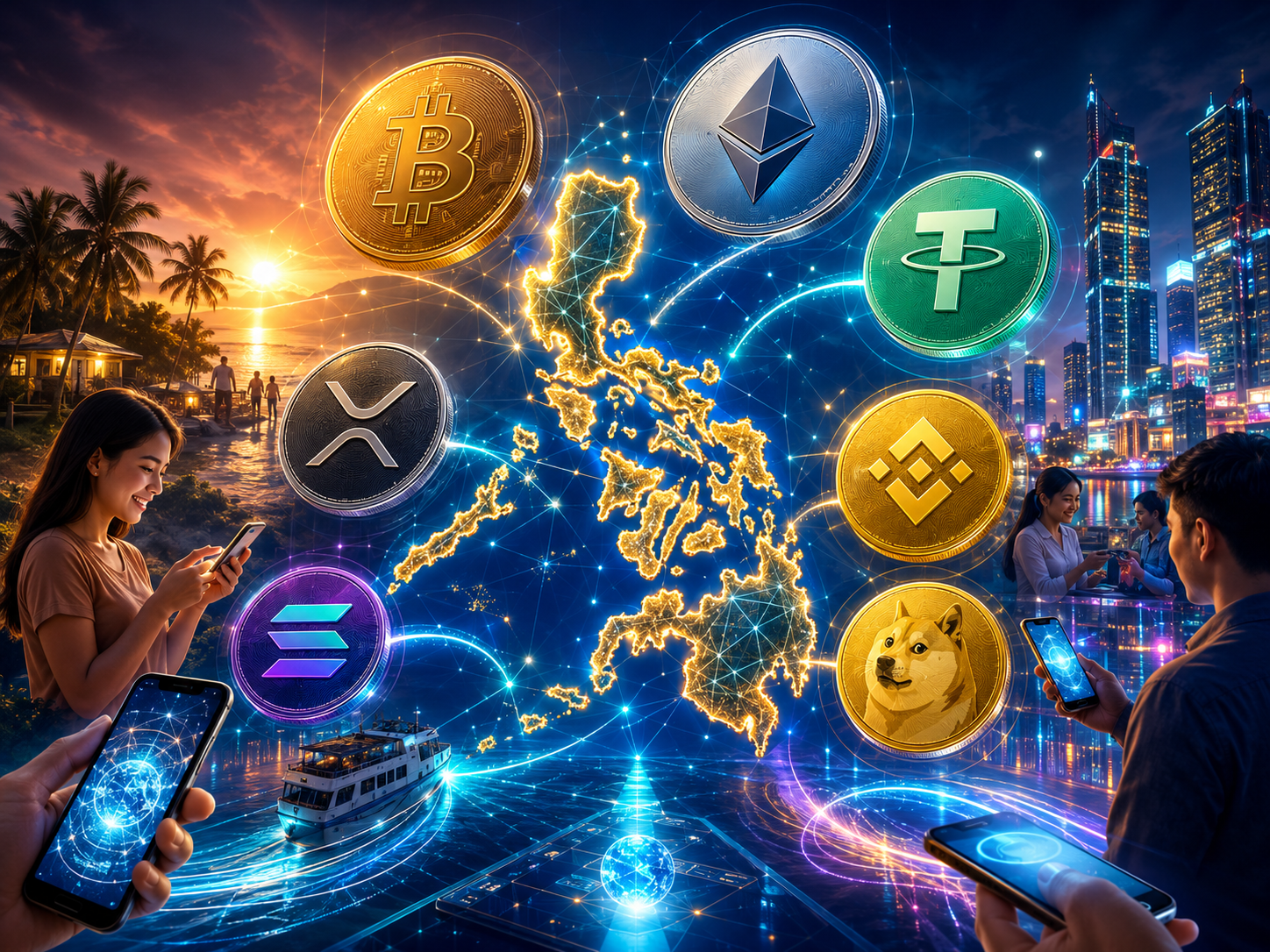
The cryptocurrency market in the Philippines has developed rapidly due to strong digital adoption, a large remittance economy, and growing interest in alternative financial tools. Among Filipino traders, the most actively traded coins are usually those with high liquidity, strong global recognition, practical use cases, and easy availability on local and international exchanges. While exact rankings may vary across platforms, Bitcoin, Ethereum, Tether, XRP, BNB, Solana, and Dogecoin are commonly among the most traded digital assets in the country.
Bitcoin remains the leading cryptocurrency for Filipino traders because it is widely viewed as the most established digital asset. Many investors treat Bitcoin as a long-term store of value, similar to “digital gold.” In the Philippines, Bitcoin also appeals to users who want exposure to a decentralized asset that is not directly controlled by banks or governments. Its high liquidity makes it easy to buy and sell, which is important for both beginners and active traders.
Ethereum is another heavily traded coin because of its role in decentralized applications, smart contracts, NFTs, and Web3 projects. Filipino crypto users who are interested in blockchain gaming, decentralized finance, and digital collectibles often interact with Ethereum or Ethereum-based tokens. Although network fees can be a concern, Ethereum’s strong developer ecosystem keeps it relevant among traders who want more than simple price speculation.
Tether, commonly known as USDT, plays a different but very important role. It is a stablecoin, meaning its value is designed to stay close to the US dollar. In the Philippines, USDT is frequently used by traders who want to move funds between coins without converting back to pesos. It also helps users protect their portfolio during periods of high volatility. For active traders, USDT is often the bridge between riskier crypto assets and a more stable digital position.
XRP is also popular in the Philippine market because of the country’s strong remittance culture. Millions of Filipinos work overseas and send money home, so coins connected to fast and low-cost transfers naturally attract attention. XRP is often discussed for its potential in cross-border payments, making it appealing to users who value transaction speed and lower fees.
BNB is widely traded because of its connection to one of the largest crypto exchange ecosystems. Many Filipino traders use BNB for trading fee discounts, token swaps, and access to blockchain-based applications. Its demand is closely linked to exchange activity and the broader use of BNB Chain, where users can interact with decentralized finance platforms and lower-cost blockchain services.
Solana has gained attention among younger and more active traders because of its fast transaction speed and low fees. It is often associated with NFTs, meme coins, gaming projects, and decentralized applications. For traders seeking higher-growth opportunities, Solana can be attractive, though it also carries higher volatility compared with more established assets like Bitcoin and Ethereum.
Dogecoin remains one of the most recognized meme coins in the Philippines. Its popularity is driven less by technical utility and more by community support, social media influence, and speculative trading. Filipino retail traders, especially beginners, are often drawn to Dogecoin because it is affordable per unit and easy to understand as an entry-level crypto asset.
Overall, the most traded coins in the Philippines reflect a mix of investment goals. Bitcoin and Ethereum dominate because of trust and long-term relevance. USDT supports trading stability. XRP connects with remittance-related interests. BNB and Solana appeal to users exploring blockchain ecosystems, while Dogecoin represents the influence of online culture. For Filipino traders, the key is not only choosing popular coins but also understanding liquidity, volatility, regulation, and personal risk tolerance before entering the market.