
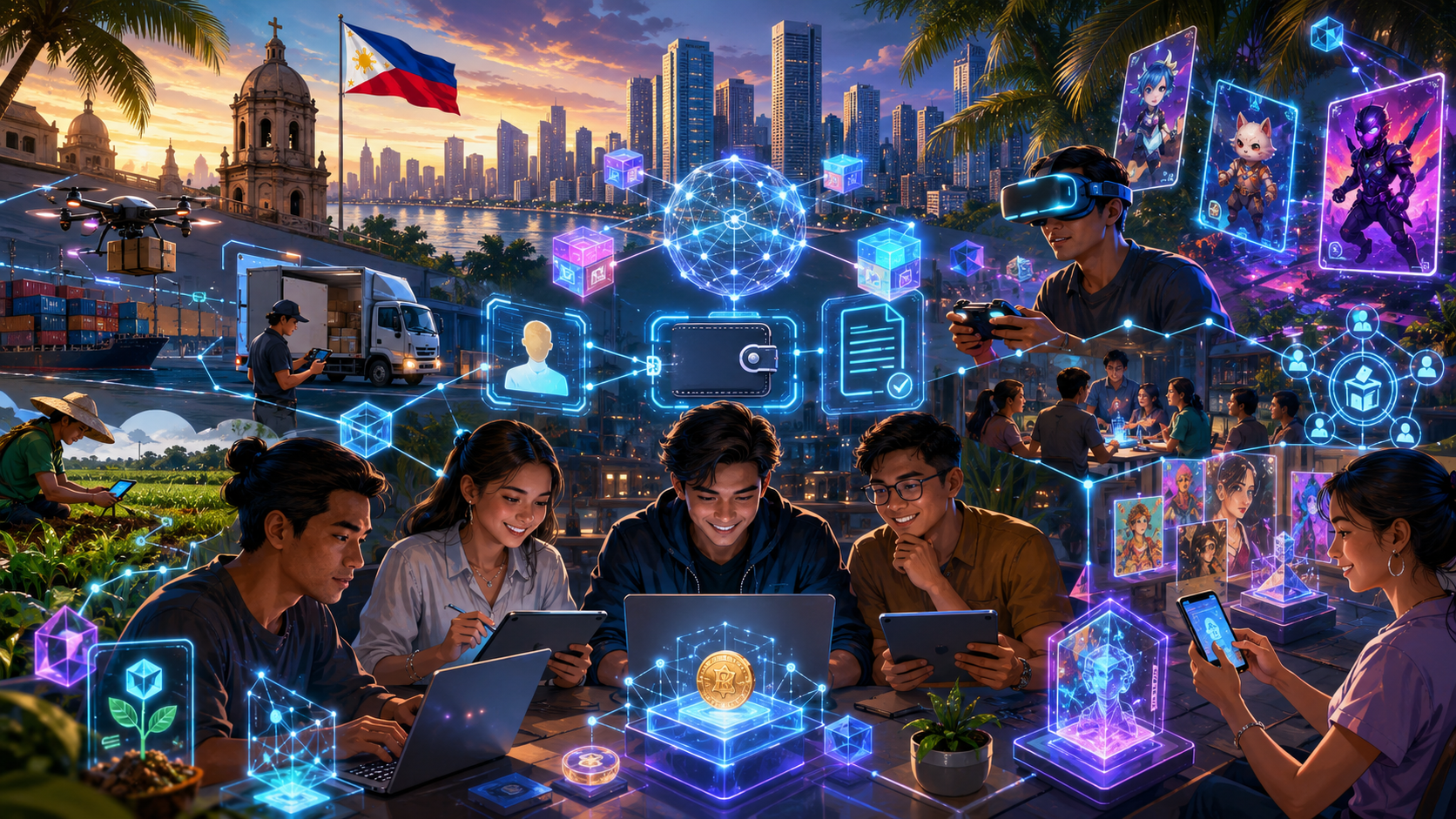
The Philippines is emerging as a notable player in the global Web3 ecosystem, with innovations in decentralized application (dApp) development shaping the nation’s technological landscape. Web3, representing the next generation of the internet, emphasizes decentralization, blockchain technology, and enhanced user control over data. In the Philippine context, the convergence of a tech-savvy population, a vibrant startup ecosystem, and increasing blockchain adoption is creating fertile ground for Web3 innovation.
At the forefront of this transformation is the rise of decentralized finance (DeFi) platforms. Filipino developers are actively building dApps that enable peer-to-peer lending, decentralized exchanges, and tokenized asset trading. These platforms aim to address long-standing financial inclusion challenges in the country, where a significant portion of the population remains unbanked or underbanked. By leveraging blockchain technology, dApps can provide secure, transparent, and efficient financial services without relying on traditional banking infrastructure. Notably, startups like BloomX and Yield Guild Games are pioneering blockchain-based solutions that integrate local needs with global Web3 trends.
Gaming and non-fungible tokens (NFTs) are also significant drivers of Web3 adoption in the Philippines. The country has a strong digital gaming culture, with a growing number of developers exploring blockchain-based gaming platforms. NFT marketplaces are emerging as avenues for Filipino artists, gamers, and content creators to monetize digital assets in ways previously unavailable. By integrating smart contracts, these platforms enable creators to retain control over intellectual property rights while participating in a global digital economy. Projects like GameFi initiatives and localized NFT marketplaces illustrate how Web3 can empower creators and provide alternative revenue streams in a rapidly digitalizing economy.
Education and community engagement are critical components of the Philippine Web3 ecosystem. Organizations, incubators, and online communities are working to bridge the knowledge gap between traditional software development and decentralized technologies. Web3-focused hackathons, workshops, and mentorship programs are fostering talent and encouraging innovation. These initiatives not only provide practical training in blockchain programming, smart contract development, and decentralized application deployment but also cultivate a culture of experimentation and collaboration. This human capital development is essential for sustaining long-term growth in the dApp sector.
Regulatory developments in the Philippines further influence the Web3 landscape. The Bangko Sentral ng Pilipinas (BSP) has introduced regulatory frameworks for virtual assets, aiming to balance innovation with consumer protection. Clear regulations provide a degree of legitimacy for startups and investors, encouraging responsible adoption of blockchain technologies. At the same time, these policies challenge developers to create compliant solutions that adhere to local financial and data protection laws while maintaining the decentralized ethos of Web3. The regulatory environment, therefore, acts as both a catalyst and a constraint, shaping the direction of innovation.
Moreover, the integration of Web3 with real-world applications is gaining momentum. Supply chain management, digital identity verification, and decentralized governance models are areas where Filipino developers are experimenting with blockchain-based solutions. By digitizing records, automating trust mechanisms, and reducing reliance on centralized authorities, dApps have the potential to increase transparency, efficiency, and security across multiple sectors. Early pilots in sectors such as agriculture and logistics highlight the practical benefits of Web3 beyond finance and entertainment.
The Philippines’ unique combination of a digitally engaged population, entrepreneurial spirit, and growing blockchain literacy is fueling the rapid evolution of dApp development. Startups, developers, and community initiatives are collaboratively shaping an ecosystem that merges global technological trends with local societal needs. As Web3 adoption accelerates, the country is poised to become a hub for innovative decentralized solutions, demonstrating how technology can redefine economic participation, digital creativity, and community-driven development.