
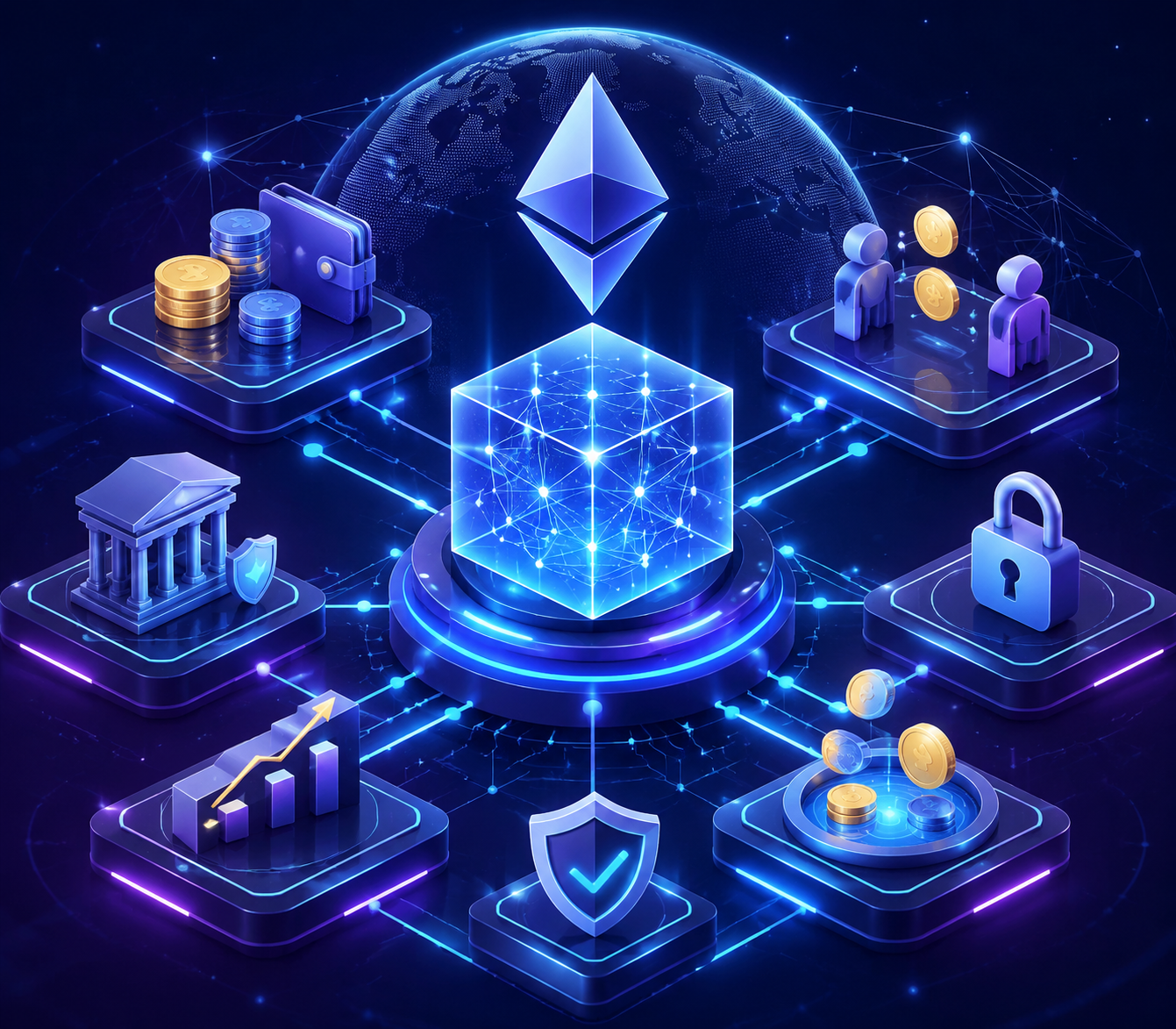
The concept of Decentralized Finance, commonly known as DeFi, has rapidly evolved into one of the most influential sectors within the cryptocurrency space. In recent years, DeFi platforms have gained immense traction, offering an alternative to traditional financial systems. These platforms leverage blockchain technology to provide financial services such as lending, borrowing, trading, and more, without the need for centralized intermediaries like banks or brokers.
What is DeFi?
At its core, Decentralized Finance (DeFi) refers to the use of blockchain technology to recreate and improve upon traditional financial systems and services. DeFi operates on public blockchains like Ethereum, which allows anyone to interact with these services without needing a middleman. Through smart contracts — self-executing contracts with the terms of the agreement directly written into code — DeFi applications enable transparent and secure transactions.
The most significant feature of DeFi is its decentralized nature. Unlike traditional financial institutions, which are controlled by governments or corporations, DeFi platforms operate autonomously through decentralized networks. This eliminates many of the inefficiencies and risks associated with centralized financial systems.
Key DeFi Services
There are several key services offered by DeFi platforms that are revolutionizing the way people interact with money:
- Lending and Borrowing
DeFi lending platforms allow users to lend their cryptocurrencies in exchange for interest, while borrowers can take out loans by collateralizing their crypto holdings. Unlike traditional lending, which involves credit checks and paperwork, DeFi lending is facilitated through smart contracts, ensuring an efficient and fast process. Examples include Aave and Compound, which are among the most popular platforms for lending and borrowing crypto assets. - Decentralized Exchanges (DEXs)
DEXs like Uniswap and Sushiswap are decentralized platforms that allow users to trade cryptocurrencies directly with each other. These exchanges are not controlled by a central entity, providing increased privacy and security. Users retain control of their funds, and transactions are typically faster and more cost-effective compared to centralized exchanges like Coinbase or Binance. - Stablecoins
One of the major challenges with cryptocurrency is volatility. Stablecoins are digital assets pegged to a stable asset, like the US dollar or gold, which helps mitigate this risk. Platforms like MakerDAO offer stablecoins such as DAI, which users can use in DeFi applications for lending, borrowing, or trading while maintaining a relatively stable value. - Yield Farming and Liquidity Mining
Yield farming and liquidity mining allow users to earn rewards for providing liquidity to decentralized platforms. Users supply liquidity to decentralized exchanges or lending protocols and in return, they receive tokens or interest. These activities have gained significant popularity, although they come with higher risks due to the volatility of the crypto market.
The Role of Smart Contracts in DeFi
Smart contracts are at the heart of the DeFi ecosystem. These self-executing contracts are used to automate and enforce agreements between parties. Smart contracts eliminate the need for intermediaries, which can reduce costs and increase efficiency in transactions. For example, a DeFi lending contract might automatically execute a loan agreement when certain conditions are met, without any need for a bank or lawyer.
Smart contracts are immutable, meaning once they are deployed to a blockchain, they cannot be altered. This guarantees transparency and fairness since all terms and conditions are publicly available for anyone to review.
Risks and Challenges of DeFi
Despite its potential, DeFi comes with a range of risks and challenges:
- Smart Contract Vulnerabilities
While smart contracts are generally secure, they are not immune to bugs and exploits. A flaw in the code can be exploited by hackers to steal funds or cause other forms of damage. The DeFi sector has seen several high-profile hacks due to vulnerabilities in smart contract code. - Regulatory Uncertainty
Governments and regulatory bodies around the world are still determining how to approach DeFi. The lack of clear regulations could lead to legal challenges for DeFi platforms and users. Moreover, some jurisdictions may impose stricter rules on DeFi applications, which could stifle innovation or drive the industry underground. - Market Volatility
DeFi assets, like all cryptocurrencies, are subject to high volatility. While this offers the potential for significant profits, it also poses substantial risks. Users can experience significant losses due to market fluctuations, especially in yield farming or liquidity mining scenarios. - Scalability Issues
Many DeFi platforms run on Ethereum, which, despite being the most widely used blockchain for DeFi, faces scalability issues. High transaction fees and network congestion can slow down the operation of DeFi applications, making them less efficient and user-friendly.
The Future of DeFi
Despite the challenges, the DeFi space continues to grow at a rapid pace. Innovations such as Ethereum 2.0, which aims to address Ethereum’s scalability issues, and the emergence of layer 2 solutions like Optimism and Arbitrum, could help address some of the current pain points.
Moreover, as the global financial landscape shifts, DeFi has the potential to provide financial services to the unbanked, offering access to savings, loans, and other essential financial products without the need for traditional banking infrastructure.
In addition, the growth of cross-chain interoperability solutions, which enable DeFi platforms to work seamlessly across different blockchains, could further enhance the ecosystem’s utility and adoption. This would allow users to access a broader range of assets and services, increasing the appeal of DeFi as a comprehensive financial system.
Ultimately, while DeFi is still in its infancy and faces several hurdles, its potential to disrupt the financial industry is undeniable. With continued innovation, improvements in security, and clearer regulatory frameworks, the future of decentralized finance looks bright, offering a more open and inclusive financial system for users around the world.