
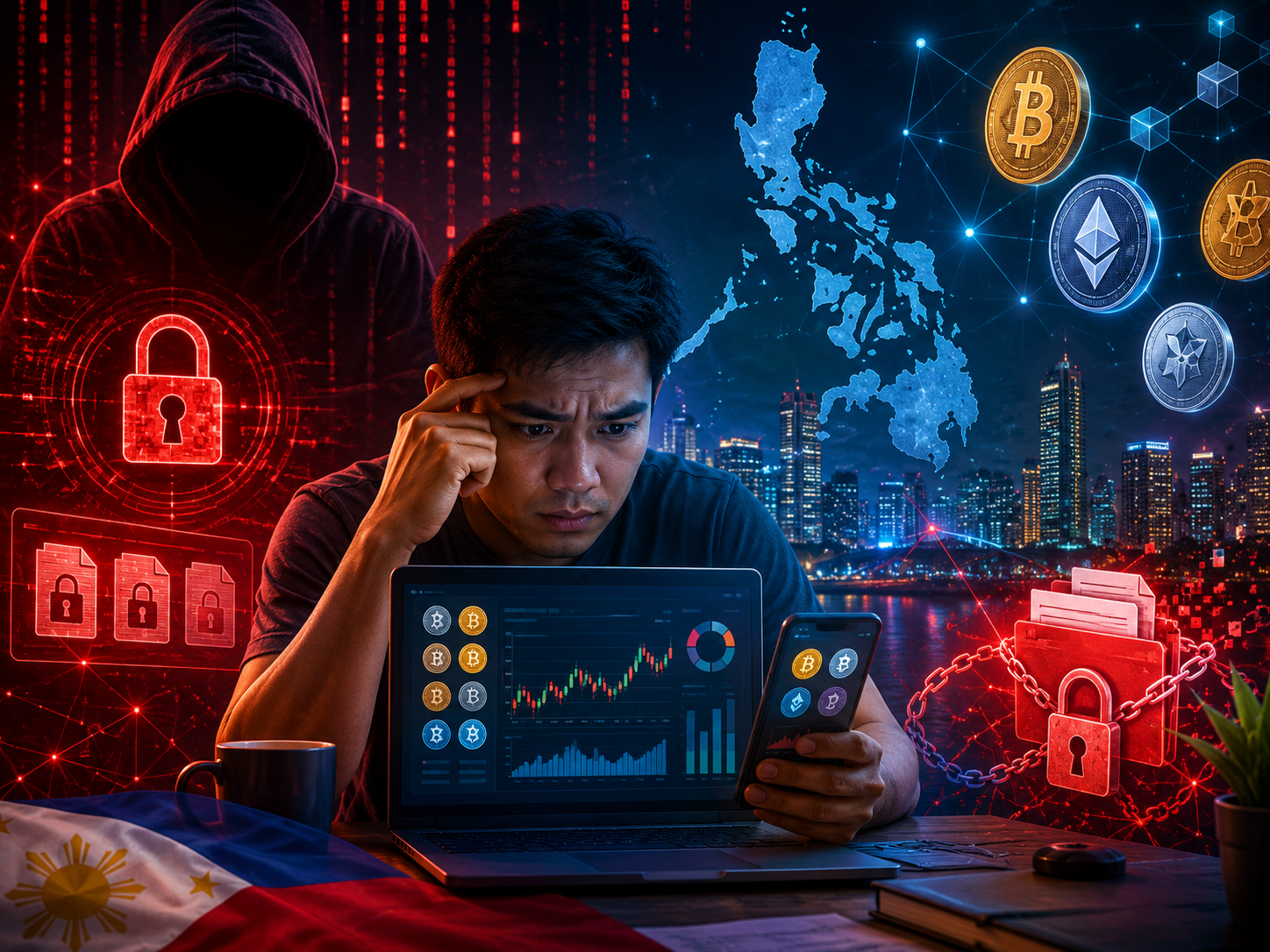
In recent years, the Philippines has seen a significant rise in cybercrimes, particularly ransomware attacks targeting cryptocurrency users. As the crypto market in the region continues to grow, it has attracted both legitimate investors and malicious actors looking to exploit vulnerabilities in the growing digital economy. This article examines the increasing threat of ransomware attacks aimed at Filipino cryptocurrency users, explores the tactics employed by cybercriminals, and provides insights into how individuals and businesses can better protect themselves from these evolving threats.
Cryptocurrency Growth in the Philippines and the Target of Cybercriminals
Cryptocurrencies have become a popular investment vehicle in the Philippines, with growing acceptance in both retail and institutional sectors. According to recent reports, the Philippines is one of the top countries in Southeast Asia for cryptocurrency adoption, with a significant increase in transactions through exchanges like Binance, Coins.ph, and others. The country’s burgeoning digital economy, coupled with relatively relaxed regulations on cryptocurrency trading, has made it an attractive target for cybercriminals.
Ransomware, a type of malicious software that encrypts a victim’s data and demands a ransom to restore access, is becoming one of the primary threats targeting crypto users. Cybercriminals have found that crypto transactions offer them the perfect method for receiving ransom payments in a way that is often untraceable and harder to reverse than traditional financial transactions. With digital currencies such as Bitcoin and Ethereum, attackers can easily launder the extorted funds through a variety of methods, making it more difficult for authorities to trace and seize the ransom.
Tactics Used by Cybercriminals
Cybercriminals targeting Filipino crypto users employ a variety of sophisticated techniques to execute ransomware attacks. One of the most common methods is through phishing emails or fake social media campaigns, where attackers impersonate legitimate cryptocurrency exchanges or platforms. These fake communications often promise exclusive investment opportunities, airdrops, or rewards, enticing crypto users to click on malicious links or download harmful attachments. Once clicked, the victim’s device is compromised, and the ransomware is installed.
Another prevalent tactic involves exploiting vulnerabilities in crypto wallets, particularly those that have not been properly secured. Attackers often exploit weak or outdated software, taking advantage of flaws in security protocols. Once the ransomware is activated, it locks the user’s crypto wallet or personal data, rendering it inaccessible until a ransom is paid.
Additionally, some cybercriminals have turned to more targeted attacks, specifically directed at prominent Filipino crypto influencers or businesses. By researching their digital footprint, attackers can gather personal information to craft highly convincing spear-phishing emails. These attacks tend to be more effective as they are tailored to the victim, increasing the chances of success in deploying ransomware.
Impact on the Philippine Crypto Ecosystem
Ransomware attacks are not only a financial threat to individual cryptocurrency users but also pose a significant risk to the entire digital currency ecosystem in the Philippines. As these attacks become more frequent, the reputation of cryptocurrency platforms and exchanges could suffer, leading to a loss of user trust. If customers perceive crypto exchanges as insecure, they may withdraw their funds, fearing the potential loss of assets.
Moreover, the growing number of ransomware incidents is likely to attract increased scrutiny from regulatory authorities. The Philippines’ central bank (Bangko Sentral ng Pilipinas) has been closely monitoring cryptocurrency usage and ensuring that crypto exchanges comply with anti-money laundering (AML) and counter-terrorism financing (CTF) regulations. However, the rapid evolution of ransomware tactics makes it challenging for regulators to keep pace, potentially resulting in gaps in the law that allow cybercriminals to operate with relative impunity.
Protective Measures Against Ransomware
To mitigate the rising threat of ransomware, both individuals and businesses need to adopt a multifaceted approach to cybersecurity. First and foremost, users should ensure that their devices are equipped with the latest antivirus and anti-malware software. Keeping software up-to-date is essential, as many ransomware attacks exploit known vulnerabilities in outdated systems. Additionally, it is crucial to use strong, unique passwords for cryptocurrency wallets and enable two-factor authentication (2FA) to provide an extra layer of security.
For crypto businesses, it is vital to conduct regular security audits and implement encryption protocols to safeguard user data. Businesses should also educate their employees about the risks of phishing and train them to identify suspicious activities or emails. Having an incident response plan in place can help businesses react quickly if an attack occurs, limiting potential damage.
Users should also exercise caution when engaging in any online transactions or clicking on links that promise quick rewards or investment opportunities. Scams often target inexperienced crypto users, especially those unfamiliar with the risks associated with online trading.
The Role of Government and Law Enforcement
While individuals and businesses play a key role in defending against ransomware, government agencies and law enforcement also have an essential part to play. The Philippines has made strides in enhancing its cybercrime laws, particularly with the enactment of the Cybercrime Prevention Act of 2012. However, the dynamic and ever-changing nature of ransomware means that constant updates to legislation and law enforcement strategies are necessary.
The government must collaborate with international bodies to track and combat ransomware gangs that operate across borders. As cryptocurrency transactions are inherently decentralized and cross international boundaries, collaboration with other nations is crucial in disrupting ransomware networks.
The Philippine government can also encourage crypto exchanges and platforms to adopt higher security standards and implement more robust consumer protection measures. By improving cybersecurity practices across the board, the risk of ransomware attacks could be significantly reduced.
Final Thoughts
Ransomware attacks targeting cryptocurrency users in the Philippines are on the rise, and the impact is being felt across the digital economy. As crypto adoption increases, so too does the sophistication of cybercriminals seeking to exploit vulnerabilities for financial gain. By adopting stronger cybersecurity measures, staying informed, and collaborating with law enforcement, Filipino cryptocurrency users can help protect themselves against these malicious attacks. The role of government and regulatory bodies is also crucial in addressing the challenges posed by the evolving threat of ransomware in the crypto space.