
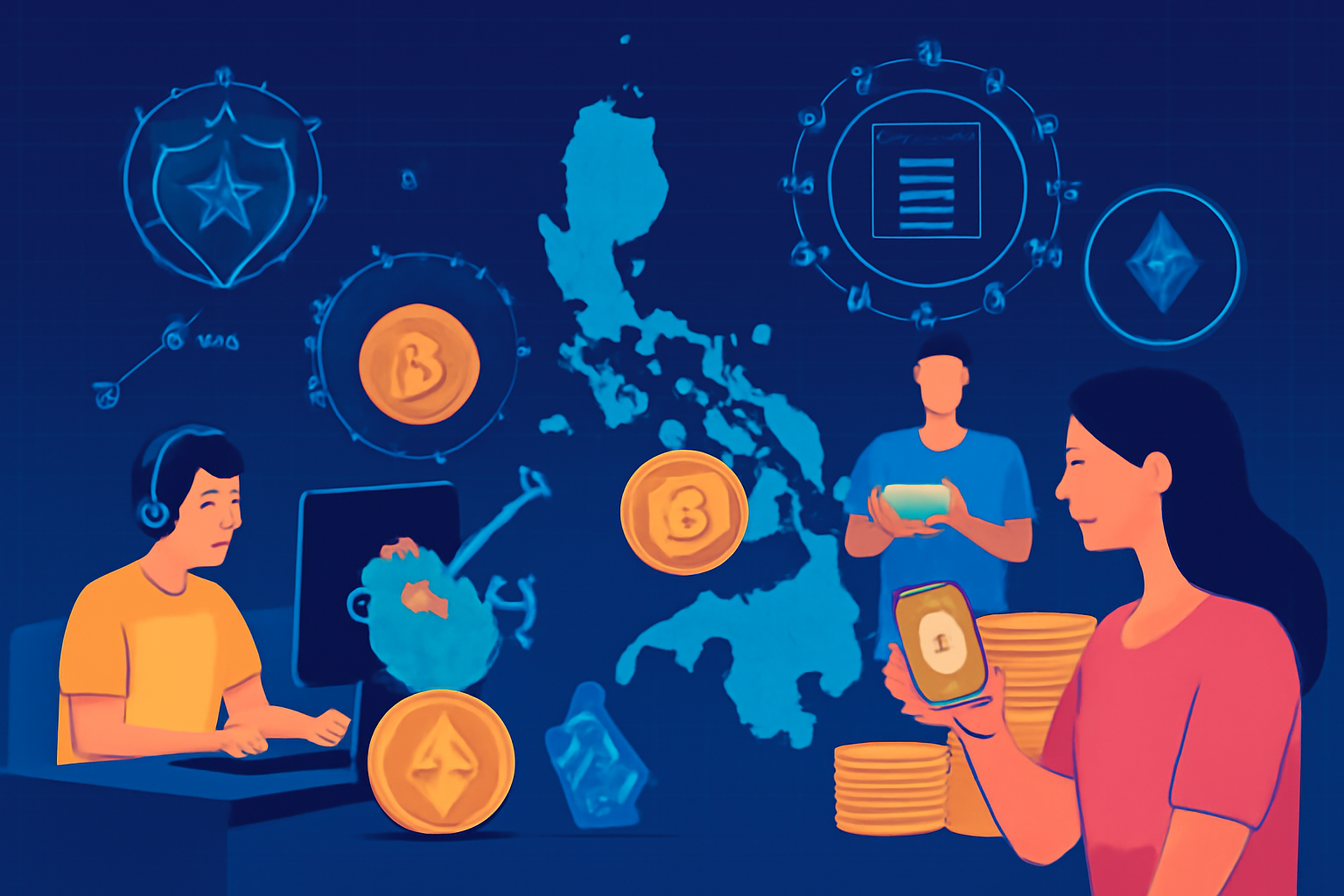
In recent years, the Philippines has become one of the most dynamic hubs for blockchain and Web3 development in Southeast Asia. As the country rapidly embraces digital transformation, it is witnessing the rise of major Web3 projects that are reshaping industries and offering new opportunities for economic inclusion. This article explores the largest Web3 projects in the Philippines, their innovative contributions, and the profound impact they are having on society.
What is Web3?
Before delving into specific projects, it’s essential to understand what Web3 means. Web3 is the third generation of the internet, following Web1 (the static web) and Web2 (the interactive and social web). Unlike Web2, where users rely on centralized platforms controlled by corporations, Web3 is decentralized, meaning it leverages blockchain technology, cryptocurrency, and smart contracts to create a more user-centric, transparent, and open internet.
Web3 enables individuals to have greater control over their data, digital assets, and online interactions. This shift is particularly significant in a country like the Philippines, where a large proportion of the population is still underbanked and digital access is growing.
Key Web3 Projects in the Philippines
1. YGG (Yield Guild Games)
One of the most prominent Web3 projects in the Philippines is Yield Guild Games (YGG), a decentralized autonomous organization (DAO) that focuses on the play-to-earn (P2E) model. Founded by Gabby Dizon, YGG is a community-driven platform that allows players to earn rewards by participating in blockchain-based games. The project has garnered significant attention due to its innovative approach to gaming and its ability to provide economic opportunities to Filipinos, particularly in rural areas.
YGG operates by acquiring in-game assets such as NFTs (non-fungible tokens) and lending them out to players, allowing them to earn through gameplay. In return, the players share a portion of their earnings with YGG. This system empowers players to participate in the digital economy even if they cannot afford the initial capital required to buy in-game assets.
The success of YGG has not only promoted gaming as a viable career for many but has also paved the way for other similar initiatives in the Philippines, contributing to the adoption of Web3 technologies.
2. GInvest by GCash
GCash, the Philippines’ largest mobile wallet, has ventured into Web3 with the launch of GInvest, a platform that allows Filipinos to invest in blockchain-powered financial assets. Through GInvest, users can access a wide range of digital investment opportunities, including cryptocurrency, tokenized assets, and decentralized finance (DeFi) projects.
What makes GInvest revolutionary is its integration of Web3 principles into a platform that millions of Filipinos already use daily. By introducing decentralized finance to a mainstream audience, GCash is bridging the gap between traditional finance and the emerging Web3 space. This provides users with more investment choices and helps them take advantage of the growth of blockchain technology.
Moreover, GInvest leverages the trust and familiarity that GCash has built with its user base, making it easier for Filipinos to explore the world of digital assets without feeling overwhelmed by the complexity often associated with blockchain-based services.
3. Maya (formerly PayMaya)
Maya, another prominent digital wallet and fintech platform in the Philippines, is also embracing Web3 technologies to reshape the financial landscape. The platform offers a wide range of services, including peer-to-peer payments, online banking, and crypto trading. Maya’s entry into the Web3 space has been marked by its support for cryptocurrency trading and the integration of blockchain-based features into its existing infrastructure.
Maya’s Web3 integration allows users to buy, sell, and store cryptocurrencies, as well as earn rewards through staking and participating in DeFi protocols. This has significant implications for financial inclusion, as it enables a larger population to access digital financial services and invest in decentralized assets.
The Social and Economic Impact of Web3 Projects
1. Financial Inclusion and Empowerment
One of the most profound impacts of Web3 in the Philippines is its potential to address the country’s financial inclusion challenges. According to the World Bank, around 70% of Filipinos remain unbanked, and many are excluded from traditional financial systems due to factors like geography, lack of formal identification, and insufficient financial literacy.
Web3 projects like YGG, GInvest, and Maya are helping bridge this gap by offering decentralized financial solutions that don’t require users to rely on traditional banking infrastructure. As a result, individuals who have been excluded from the formal financial system can now access financial services, whether through digital wallets, crypto investments, or P2E games.
2. Job Creation and Economic Mobility
The rise of Web3 has created a host of new job opportunities, particularly for younger generations in the Philippines. Through platforms like YGG, people can earn an income by simply playing games, which is particularly appealing to those in rural areas or with limited access to traditional employment.
Moreover, Web3 fosters entrepreneurship, as individuals can create their own projects, launch NFTs, or engage in decentralized finance. By leveraging blockchain and Web3 tools, Filipinos can unlock new revenue streams and gain a foothold in the global digital economy.
3. Promoting Education and Digital Literacy
As Web3 projects continue to gain traction in the Philippines, there is a corresponding increase in demand for digital literacy and education. Many organizations are now offering training programs to teach Filipinos how to navigate the Web3 space, including courses on blockchain technology, crypto trading, and decentralized finance.
This emphasis on education helps to empower individuals and communities, giving them the skills necessary to participate in the digital economy. It also encourages the growth of a local Web3 talent pool, which can contribute to further innovation in the sector.
Conclusion
The Philippines is quickly emerging as a Web3 powerhouse in Southeast Asia, with projects like YGG, GInvest, and Maya leading the charge. These initiatives are not only fostering innovation but are also driving positive social change by providing financial inclusion, job opportunities, and education. As Web3 continues to evolve, the Philippines stands poised to be a leader in the global digital transformation, offering its citizens the tools and opportunities to thrive in a decentralized future.