
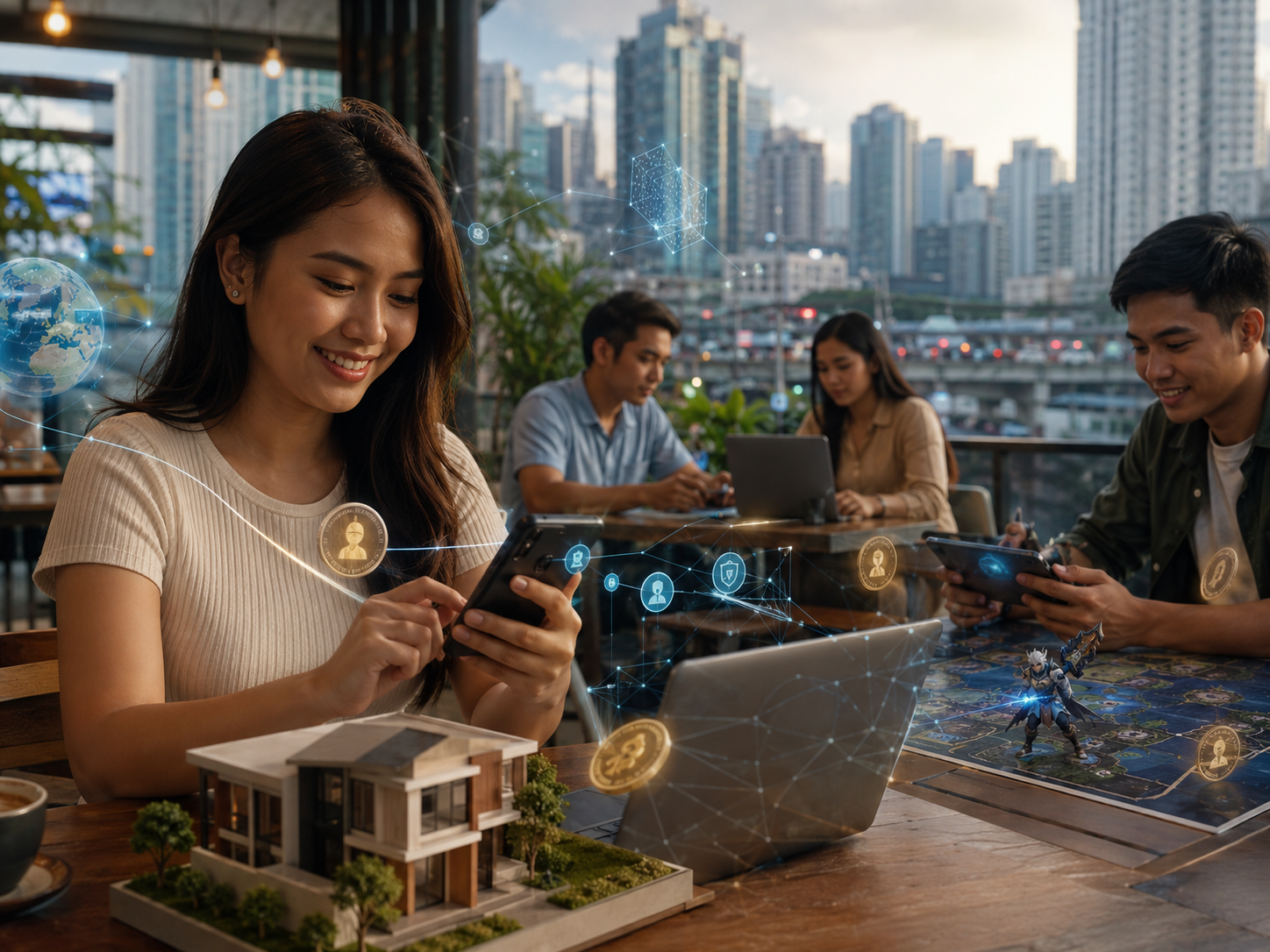
The Philippines has emerged as one of Southeast Asia’s most active markets for digital assets, supported by a young population, high mobile connectivity, and increasing interest in blockchain-powered financial solutions. Among the fastest-growing segments are coins and tokens built on smart contract networks, including Ethereum, Solana, and other programmable blockchain platforms.
Unlike traditional cryptocurrencies that mainly function as digital payment instruments, smart contract-based coins enable automated financial applications such as decentralized finance (DeFi), gaming ecosystems, tokenized assets, and blockchain-based services. This creates significant opportunities in the Philippines, but investors and businesses must carefully evaluate technology, regulation, and real-world adoption.
Why the Philippines Has Strong Potential for Smart Contract-Based Coins
The Philippines has several conditions that support blockchain expansion. The country has a large overseas Filipino worker (OFW) community, a strong remittance market, and millions of consumers who already use digital financial platforms. Smart contract technology could improve areas such as cross-border payments, digital ownership, and financial inclusion.
A real-world example can be seen in the growth of blockchain gaming communities in the Philippines. During the previous play-to-earn boom, Filipino users became one of the largest global user groups of blockchain games such as Axie Infinity. Although the market later experienced volatility, the case demonstrated the country’s willingness to experiment with token-based economic models.
According to the Bangko Sentral ng Pilipinas (BSP), digital financial innovation remains a major focus as the central bank continues developing policies for emerging technologies and virtual asset service providers. More information on BSP’s financial technology initiatives can be accessed through its official resource: https://www.bsp.gov.ph/Pages/InclusiveFinance/FinTech.aspx
Smart Contracts Create New Use Cases Beyond Cryptocurrency Trading
The biggest advantage of smart contract-based coins is programmability. These assets are not limited to buying and selling on exchanges but can operate within automated blockchain applications.
In the Philippine context, several sectors could benefit:
Decentralized Finance and Financial Inclusion
DeFi platforms allow users to access lending, borrowing, and savings products without relying entirely on traditional banking systems. For Filipinos who remain underserved by conventional financial institutions, blockchain-based financial services could provide alternative access.
However, users must understand that DeFi also introduces risks, including smart contract vulnerabilities, liquidity problems, and unstable token economics.
Tokenization of Real-World Assets
Smart contract networks could support the tokenization of real estate, investment products, and business assets in the Philippines. By converting ownership rights into blockchain-based tokens, companies could potentially make investments more accessible and transparent.
This opportunity is particularly relevant in a country where property investment has traditionally required significant capital. Fractional ownership through blockchain could open new possibilities for smaller investors.
Regulatory Challenges Remain a Critical Factor
Despite strong market potential, smart contract-based coins face regulatory uncertainty. Philippine authorities have increased attention toward cryptocurrency activities, focusing on consumer protection, anti-money laundering compliance, and responsible innovation.
Investors should monitor how regulations evolve because new rules could influence which blockchain projects gain long-term acceptance. Tokens with clear utility, transparent development teams, and compliance-focused structures may have stronger survival potential than purely speculative assets.
What Investors Should Evaluate Before Entering the Market
Understanding technology fundamentals is essential before investing in smart contract-based coins. Market participants should examine network security, developer activity, transaction costs, adoption levels, and the practical purpose of each token.
Projects connected to real-world problems in payments, finance, gaming, and digital identity may have stronger long-term potential compared with tokens driven only by market trends.
The Philippine blockchain sector is still developing, but its combination of digital adoption, entrepreneurial communities, and demand for alternative financial solutions creates a promising environment. Smart contract-based coins could become an important part of the country’s digital economy if innovation progresses alongside responsible regulation and user education.