
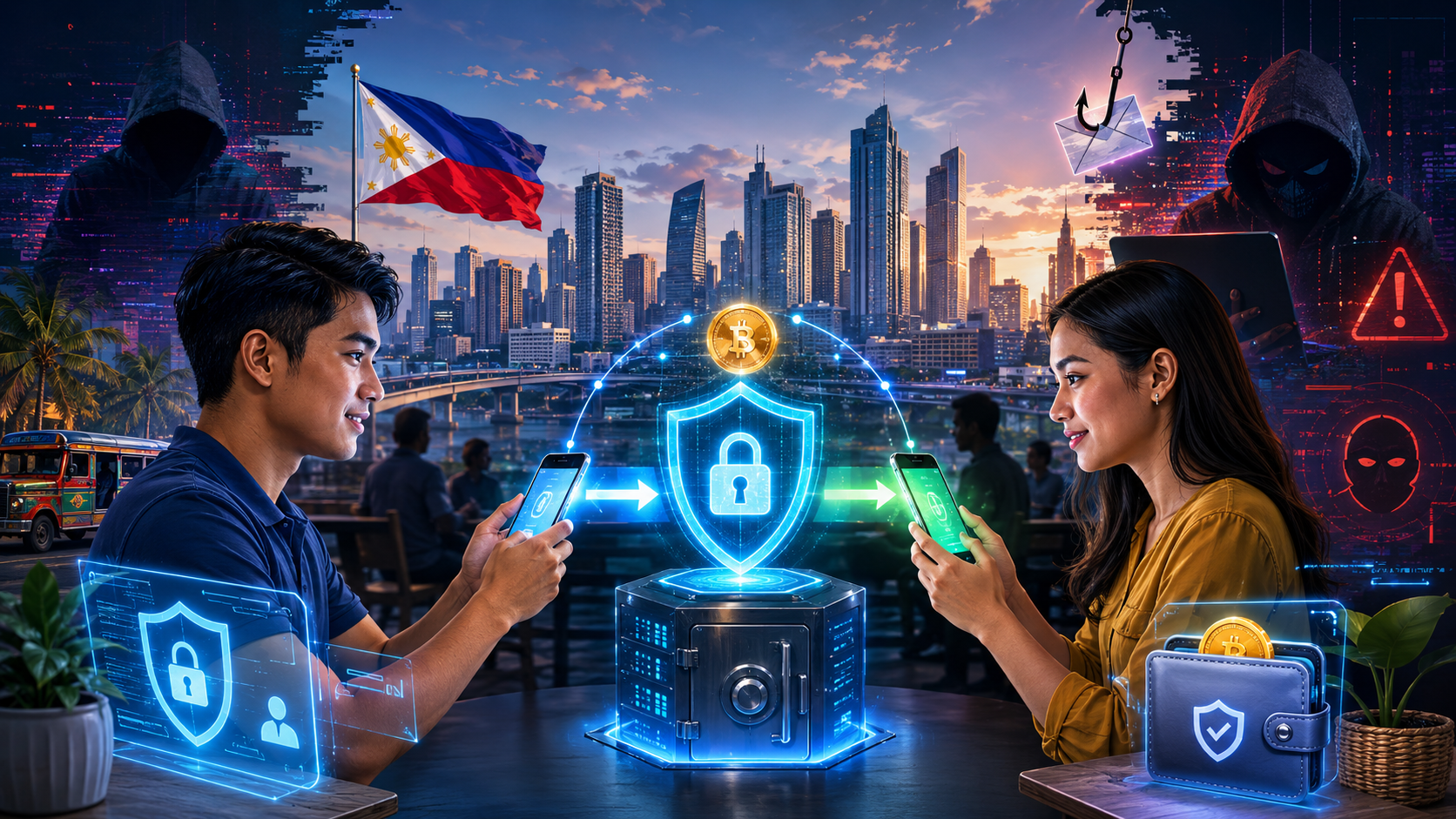
The adoption of peer-to-peer (P2P) cryptocurrency platforms in the Philippines has been steadily growing, fueled by a tech-savvy population, increasing remittance needs, and a favorable regulatory environment for digital finance. These platforms allow users to trade cryptocurrencies directly with one another, bypassing centralized exchanges, which offers flexibility and accessibility. However, with this convenience comes a range of security challenges that must be addressed to ensure user safety and maintain trust in the market.
One of the primary security challenges for P2P crypto platforms is fraud. Unlike centralized exchanges that monitor transactions and have mechanisms to reverse fraudulent trades, P2P platforms often rely heavily on trust between users. Scammers can exploit this trust through fake listings, identity theft, or payment reversals. For instance, a buyer may claim they have paid via bank transfer when no transaction occurred, or a seller may disappear after receiving cryptocurrency. The anonymous nature of crypto transactions compounds these risks, making it difficult to trace and recover lost assets.
Another critical challenge is cybersecurity threats. P2P platforms are often targets for hacking, phishing, and malware attacks due to their online nature. Hackers may attempt to breach user accounts, steal private keys, or compromise the platform’s infrastructure. In the Philippines, where digital literacy varies widely, users may inadvertently expose their accounts to phishing scams or fall victim to malware that intercepts transactions. This not only threatens individual users but can also undermine confidence in the platform and the broader cryptocurrency ecosystem.
Regulatory ambiguity also presents a security concern. While the Bangko Sentral ng Pilipinas (BSP) and the Securities and Exchange Commission (SEC) have issued guidance for virtual asset service providers, enforcement remains limited, particularly for P2P transactions that occur outside licensed platforms. Without clear legal protection, victims of fraud or theft may find limited recourse. This regulatory gap can also encourage bad actors to exploit the system, further complicating efforts to establish secure trading environments.
Despite these challenges, several solutions are being implemented to enhance security on P2P crypto platforms. Escrow services are among the most effective tools. By holding cryptocurrency in a neutral account until both parties fulfill their obligations, escrow systems reduce the risk of fraud and ensure fair trade. Many platforms also integrate reputation systems, where users are rated based on past transaction reliability, helping traders identify trustworthy counterparts and avoid high-risk interactions.
Advanced cybersecurity measures are equally crucial. P2P platforms in the Philippines are increasingly adopting multi-factor authentication, encrypted communications, and secure wallets to safeguard user funds. Regular security audits and vulnerability assessments help identify potential weaknesses in platform infrastructure before they can be exploited by attackers. User education programs also play a vital role, teaching individuals to recognize phishing attempts, create strong passwords, and verify counterparties before completing transactions.
On the regulatory side, collaboration between P2P platforms and government agencies can strengthen security. Platforms that voluntarily comply with BSP and SEC guidelines demonstrate commitment to user protection, potentially gaining consumer trust. Moreover, ongoing legislative efforts to clarify the legal framework for cryptocurrency trading can provide clearer avenues for dispute resolution and legal recourse, making the market safer for all participants.
In summary, while P2P crypto platforms in the Philippines offer remarkable opportunities for financial inclusion and trading flexibility, they are not without security risks. Fraud, cyberattacks, and regulatory uncertainty remain persistent challenges. Nevertheless, by employing escrow systems, reputation mechanisms, robust cybersecurity protocols, and regulatory cooperation, these platforms can significantly enhance user protection. As both technology and regulatory frameworks evolve, the security landscape of P2P crypto trading in the Philippines is likely to improve, fostering a safer environment for traders and contributing to the growth of the digital economy.