
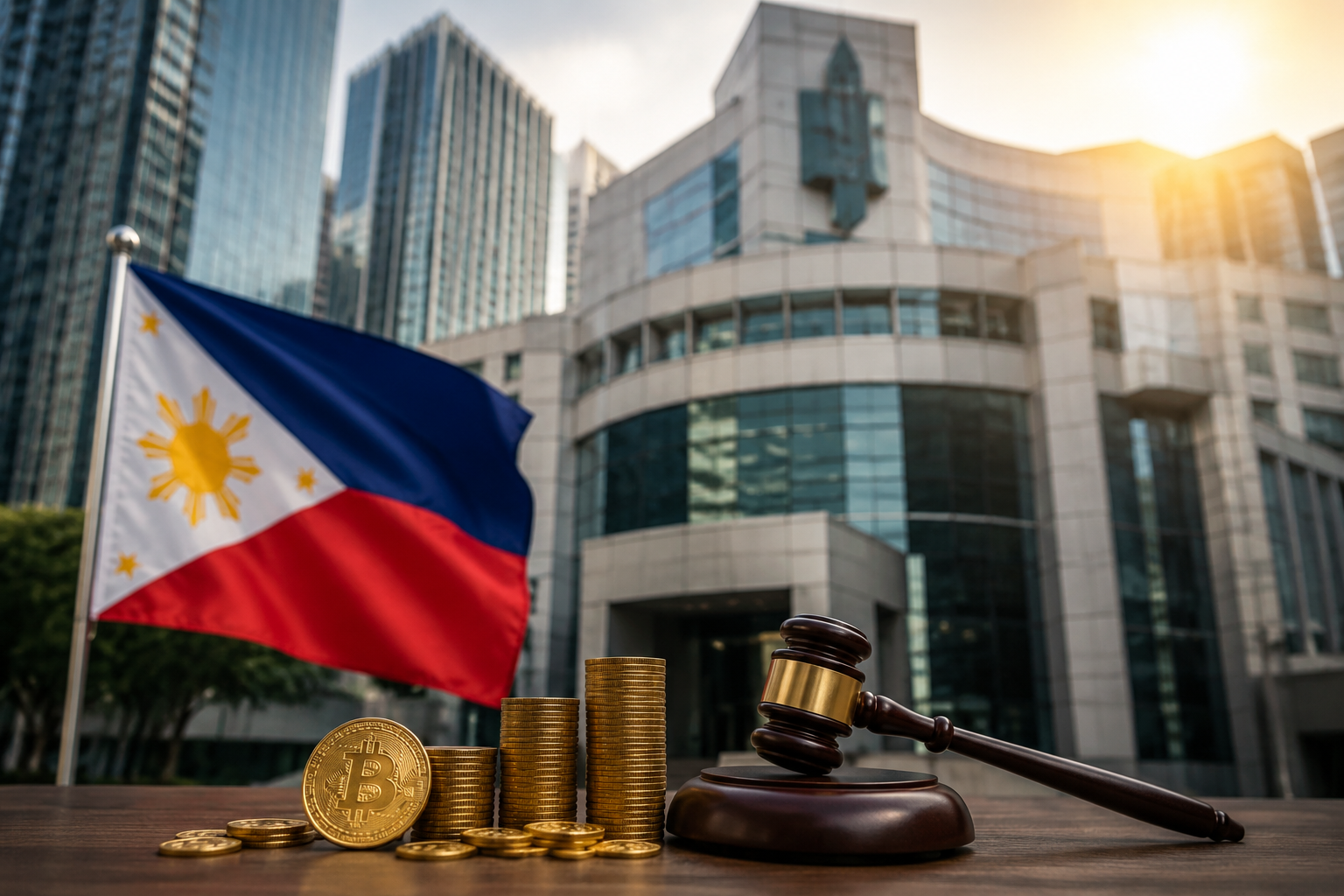
The Philippine cryptocurrency market is entering a more structured phase as the Securities and Exchange Commission (SEC) strengthens its oversight of digital asset activities. After years of rapid retail adoption, regulators are moving toward a framework that prioritizes investor protection, transparency, and compliance among crypto service providers.
The shift represents a significant change for an industry that previously operated with limited regulatory clarity. For crypto companies, exchanges, and blockchain businesses, compliance requirements are becoming a central factor in market participation rather than an optional business strategy.
The SEC Philippines remains the primary authority monitoring securities-related activities, including digital asset offerings that may fall under existing securities regulations. Industry participants can monitor official regulatory updates through the SEC’s website: https://www.sec.gov.ph/
Stronger Oversight Creates New Challenges for Crypto Businesses
For crypto industry professionals, the regulatory transition creates both operational challenges and opportunities. Companies offering digital asset services must increasingly focus on licensing requirements, customer protection mechanisms, cybersecurity standards, and anti-money laundering (AML) procedures.
One of the biggest impacts is the growing expectation that crypto platforms demonstrate the same level of accountability as traditional financial institutions. Exchanges that fail to meet regulatory expectations risk restrictions, while compliant companies may gain stronger consumer confidence.
This regulatory direction follows a broader Asian trend, where governments are attempting to balance blockchain innovation with financial stability. Countries across the region are introducing clearer rules to prevent fraud, market manipulation, and unauthorized investment schemes.
Retail Investors Face a More Protected but More Selective Market
For Philippine retail investors, SEC-driven changes could fundamentally reshape how they interact with crypto assets. The rapid growth of digital currencies attracted millions of users seeking alternative investment opportunities, but it also exposed many inexperienced investors to volatility, scams, and unregulated platforms.
A stricter regulatory environment may reduce access to some high-risk crypto opportunities, but it could also improve market quality. Licensed and transparent platforms are more likely to attract long-term investors who prioritize security over speculative returns.
From an industry perspective, the challenge is educating retail users that regulation does not eliminate investment risks. Cryptocurrency prices remain highly volatile, and regulatory approval does not guarantee profits.
Real Market Impact: Compliance Becomes a Competitive Advantage
Recent regulatory actions in the Philippines demonstrate that government oversight is becoming a key competitive factor. Crypto companies operating in the country must adapt their strategies by investing in legal infrastructure, compliance teams, and customer education.
For example, regulatory pressure against platforms operating without proper authorization has encouraged users to reconsider where they store and trade digital assets. This creates an advantage for companies that can prove legitimacy and maintain transparent operations.
For blockchain professionals, the Philippine market offers an important case study: regulation can slow short-term expansion but potentially strengthen long-term adoption by creating a safer investment ecosystem.
The Future Direction of Philippine Crypto Adoption
The next stage of the Philippine crypto industry will likely depend on how effectively regulators and businesses collaborate. A balanced framework could allow innovation in blockchain payments, decentralized applications, and digital finance while reducing risks for everyday investors.
For industry leaders, understanding SEC expectations is becoming essential for building sustainable crypto businesses in one of Southeast Asia’s most active digital asset markets.