
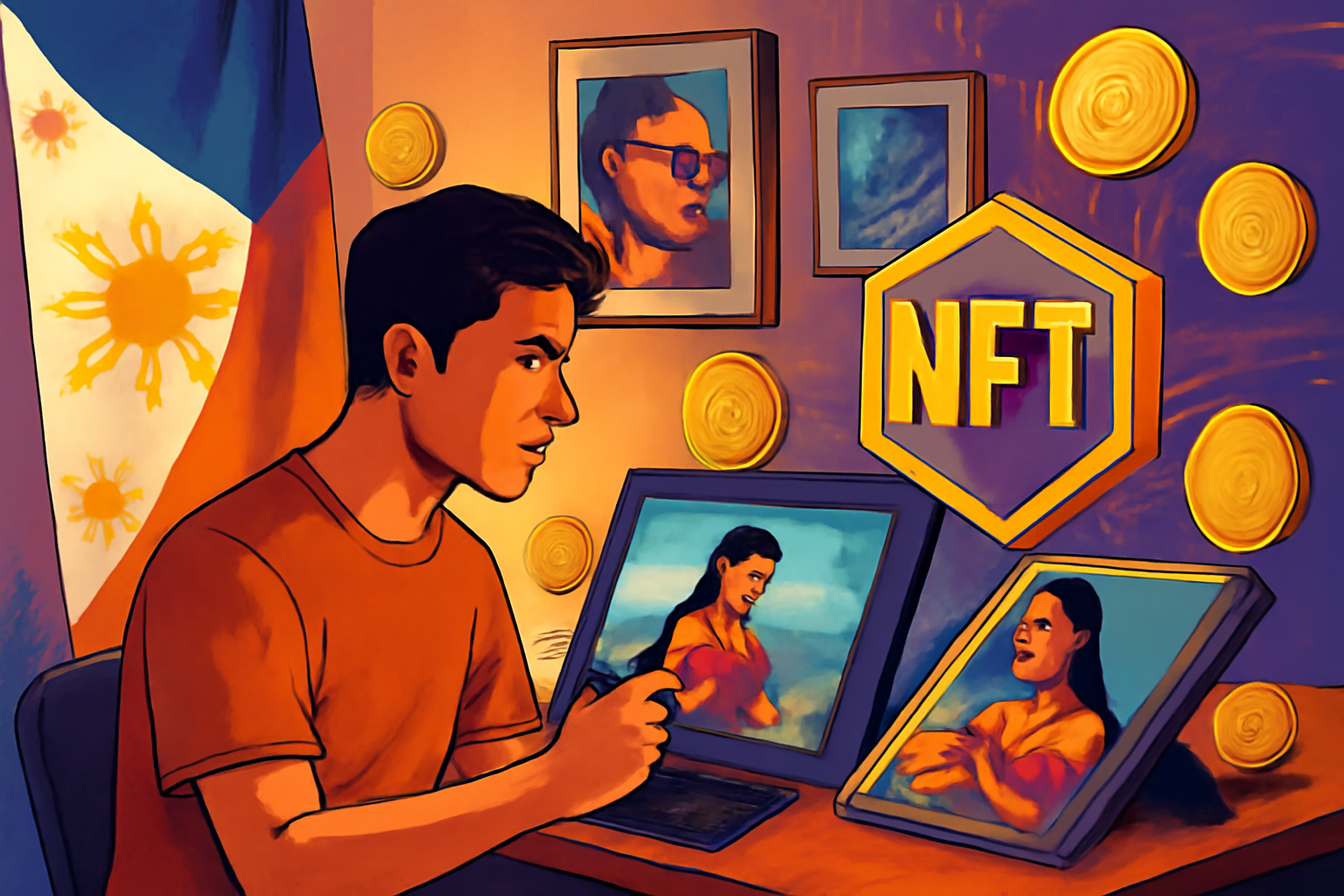
In recent years, Non-Fungible Tokens (NFTs) have emerged as a transformative force in the art world, reshaping the way art is created, distributed, and bought. This digital technology allows artists to tokenize their work, making each piece unique, verifiable, and tradable on blockchain platforms. While the global art scene has been buzzing with excitement and controversy surrounding NFTs, Filipino artists are also starting to embrace this innovation, tapping into new opportunities for exposure and income. In this article, we’ll explore how NFTs are impacting visual arts in the Philippines and the ways in which Filipino artists are leveraging this technology.
Understanding NFTs and Their Role in the Art World
At their core, NFTs are digital assets that represent ownership of a specific item or piece of content, whether it’s an image, video, music file, or even a tweet. Unlike cryptocurrencies like Bitcoin or Ethereum, which are fungible and interchangeable, NFTs are unique. Each NFT is tied to a specific digital asset, and its ownership is recorded on a blockchain—a decentralized ledger that ensures authenticity and provenance.
In the world of visual arts, NFTs have become a way to authenticate digital artwork. The blockchain records details about the artist, the creation, and the transaction history, providing transparency and security. For artists, this offers a way to prove ownership and protect intellectual property, while for collectors, it guarantees that they are purchasing an original work of art rather than a replica.
The Rise of NFTs in the Philippines
The Philippines, with its vibrant arts scene and growing tech-savvy population, has seen an increasing number of local artists venturing into the world of NFTs. The country’s art community has long been known for its rich cultural heritage and creative expression, and NFTs present a new way for Filipino artists to showcase their work to a global audience.
One of the key reasons why Filipino artists are drawn to NFTs is the potential for financial gain. Traditional art markets can be difficult to access, especially for emerging artists who may lack connections with galleries or collectors. NFTs offer an alternative, giving artists a direct platform to sell their work to buyers worldwide. Additionally, NFTs often come with the added benefit of “smart contracts,” which automatically pay artists a percentage of sales whenever their work is resold. This has the potential to create a sustainable income stream for artists over time.
Filipino NFT artists, like Kristoffer “Khalil” Ponce, have gained attention for their unique approach to digital art. Ponce, who primarily works with 3D models and illustrations, has successfully sold his pieces through NFT marketplaces like OpenSea. His work blends traditional Filipino themes with futuristic digital elements, a reflection of the Philippines’ ability to marry its rich history with modernity.
Another noteworthy example is Mikey “The BlockBender” C, a renowned Filipino graphic designer, who has expanded his creative portfolio into NFTs, capitalizing on both his skills and his extensive network within the digital community. Through his artwork, C has managed to connect with both international and local collectors, making his work highly sought after.
NFTs: A New Avenue for Artistic Expression
While NFTs present a lucrative opportunity, they also open doors for a new form of artistic expression. Filipino artists are exploring a variety of creative approaches, from 2D and 3D digital art to animated pieces, interactive media, and augmented reality works. This shift to digital artistry is especially significant in a country where art forms like painting, sculpture, and traditional crafts have been dominant for centuries.
Some Filipino NFT artists are even using the blockchain to create “limited edition” digital works, where only a select number of NFTs are minted for a particular piece. This concept mirrors traditional art auctions and limited prints, offering buyers exclusivity and rarity. Additionally, Filipino artists are experimenting with collaboration and community-driven art projects, leveraging social media and blockchain technology to build a sense of ownership and involvement among their audience.
NFTs have also enabled the fusion of different art forms, such as music and visual art. Filipino musicians, such as Gloc-9, have collaborated with digital artists to create unique NFT pieces that combine both sound and visuals. These collaborations have opened up new possibilities for cross-medium expression, allowing Filipino creatives to explore untapped potential in the digital space.
Challenges and Concerns
Despite the opportunities, NFTs in the Philippines come with challenges. The environmental impact of blockchain technology is a prominent concern. NFTs rely on energy-intensive networks like Ethereum, which has drawn criticism for contributing to carbon emissions. Filipino artists, like their global counterparts, must weigh the ecological footprint of participating in the NFT market against the potential benefits.
Additionally, the volatility of the cryptocurrency market can pose a risk. While the value of NFTs has skyrocketed in recent years, there is uncertainty about the sustainability of this market. Artists and buyers alike are navigating a space filled with both potential and risk, and the rapid pace of technological change can sometimes make it difficult to predict future trends.
Moreover, there is the issue of accessibility. Not all Filipino artists have the resources or technical expertise to navigate the NFT landscape. Many artists require guidance on how to mint NFTs, set up wallets, and navigate cryptocurrency exchanges. Education and access to tools are critical for ensuring that all Filipino artists can take advantage of this technology, regardless of their background or financial status.
Conclusion
The integration of NFTs into the world of visual arts presents an exciting new frontier for Filipino artists. NFTs offer a unique opportunity to sell digital artwork, create new forms of expression, and tap into a global marketplace that was previously difficult to access. While challenges such as environmental concerns and market volatility exist, the potential for Filipino artists to thrive in the NFT space is significant.
As the technology continues to evolve, Filipino artists will likely continue to innovate, creating diverse and impactful works that reflect the country’s rich cultural landscape while embracing the digital future. Through NFTs, Filipino art has the potential to reach new heights, pushing boundaries and redefining what it means to create and collect art in the 21st century.