
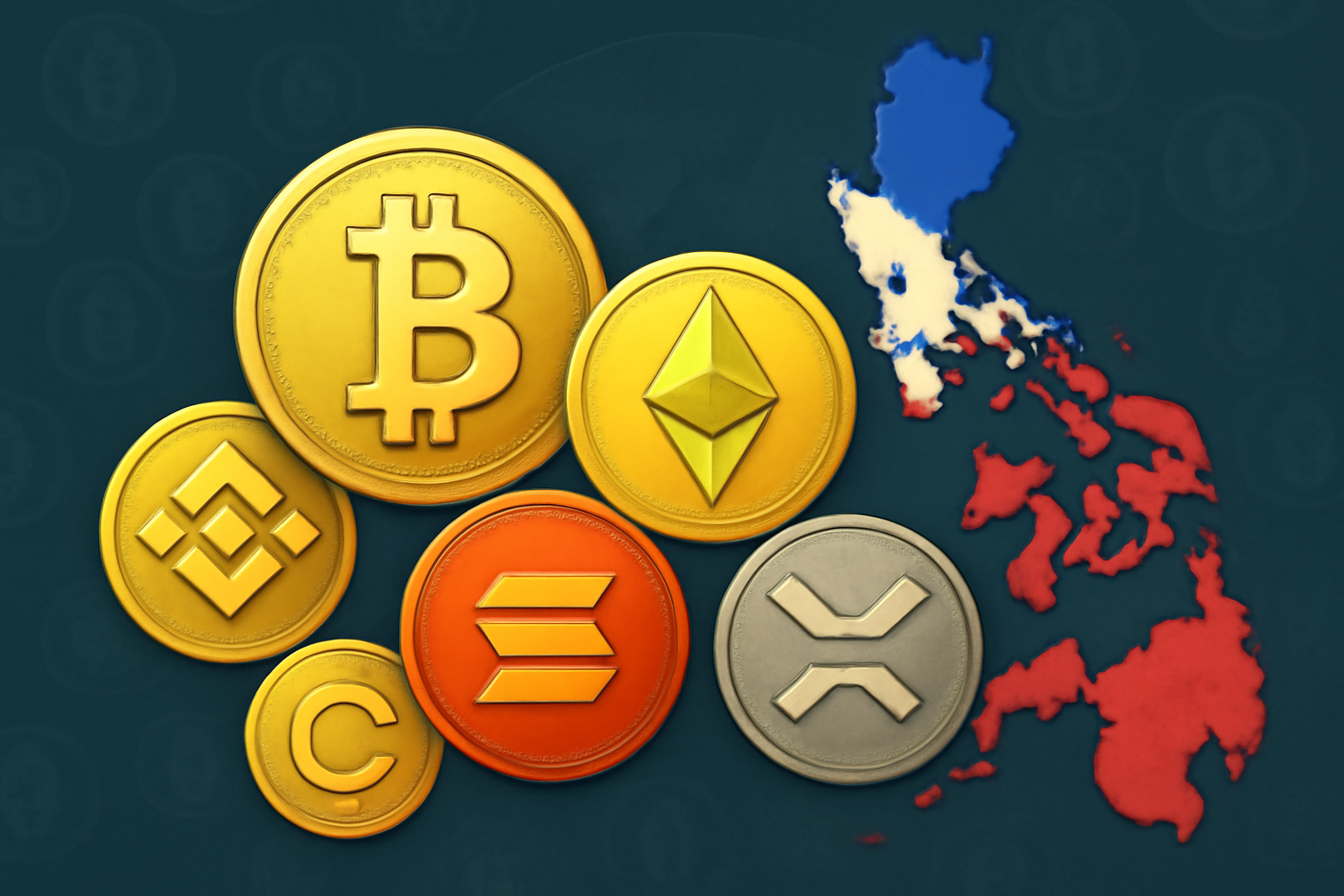
In recent years, the cryptocurrency market has gained significant attention worldwide, and the Philippines is no exception. As more people in the country discover the potential of digital currencies, they are increasingly investing in cryptocurrencies. The rapid growth of the crypto ecosystem, combined with the Philippines’ active participation in the global digital space, has resulted in a surge of interest in various coins. This article will explore the most popular cryptocurrencies in the Philippines and provide insights into why they are the top choices for local investors.
1. Bitcoin (BTC): The Pioneer of Digital Assets
Bitcoin, often referred to as the “king” of cryptocurrencies, remains the most popular and widely adopted cryptocurrency in the Philippines. Launched in 2009 by an anonymous figure or group known as Satoshi Nakamoto, Bitcoin was the first cryptocurrency to introduce blockchain technology to the world. As the first and most well-established digital currency, Bitcoin has a significant presence in the Philippine market, and many local investors view it as a safe investment, akin to digital gold.
The appeal of Bitcoin lies in its decentralized nature, security, and the relatively high liquidity it offers. Furthermore, Bitcoin has a large community of supporters and is recognized globally, which makes it a preferred choice for Filipinos who are looking for a reliable store of value. With several local exchanges like Coins.ph, Binance, and PDAX, it’s easy for Filipinos to buy, sell, and trade Bitcoin, which contributes to its dominance in the local market.
2. Ethereum (ETH): A Platform for Smart Contracts and Decentralized Applications
Ethereum is another widely popular cryptocurrency in the Philippines. Unlike Bitcoin, which primarily serves as a store of value and medium of exchange, Ethereum was created to serve as a decentralized platform for smart contracts and decentralized applications (DApps). The cryptocurrency that powers the Ethereum network, Ether (ETH), has gained significant attention due to its versatility and the growing ecosystem of applications built on its blockchain.
Ethereum’s importance in the Philippines stems from its potential to revolutionize industries beyond just finance. From DeFi (Decentralized Finance) platforms to NFTs (Non-Fungible Tokens), Ethereum’s blockchain has become the foundation for numerous innovative projects. As more Filipinos participate in DeFi and NFT markets, Ethereum’s relevance has grown, making it one of the top choices for Filipino investors.
Additionally, Ethereum is seen as a more scalable option than Bitcoin, with the upcoming Ethereum 2.0 upgrade aiming to improve network speed and reduce energy consumption. This forward-thinking approach has attracted a significant amount of interest among investors looking for long-term potential.
3. Binance Coin (BNB): The Token of the World’s Largest Exchange
Binance Coin (BNB), the native cryptocurrency of Binance, one of the world’s largest cryptocurrency exchanges, is another popular choice among Filipino investors. Originally created as a utility token for discounted trading fees on the Binance platform, BNB has evolved into a much more versatile asset. BNB is now used for various purposes, such as powering Binance Smart Chain (BSC) decentralized applications, participating in token sales, and even paying for goods and services.
The Philippines has a large number of Binance users, and the accessibility of BNB on the platform makes it a go-to asset for many traders and investors. Binance’s dominance in the Philippines crypto market further supports the increasing use of BNB among local investors. With Binance constantly enhancing its ecosystem and expanding its offerings, BNB remains a valuable asset for those looking to diversify their crypto portfolios.
4. Solana (SOL): A High-Performance Blockchain for Decentralized Finance
Solana (SOL) is one of the fastest-growing cryptocurrencies in the Philippines, particularly due to its high-performance blockchain and low transaction fees. Solana aims to provide a more scalable solution compared to Ethereum, boasting a faster transaction speed and significantly lower gas fees. This makes Solana an attractive option for investors looking to participate in decentralized finance (DeFi) applications and other blockchain-based platforms.
In the Philippines, where cost-effective solutions are highly valued, Solana’s capabilities have attracted attention, especially from developers and investors focused on DeFi applications. The coin has experienced substantial growth in recent years, which has contributed to its growing popularity in the local market. As the demand for faster and cheaper blockchain transactions increases, Solana’s position in the Philippine crypto market is likely to continue rising.
5. Cardano (ADA): The Ethereum Competitor
Cardano (ADA) has also gained traction in the Philippines, particularly among investors who are interested in blockchain technology’s potential for social impact. Cardano was designed as an alternative to Ethereum, focusing on providing a more sustainable and scalable platform for the development of decentralized applications. Its focus on academic research and peer-reviewed development makes it one of the more unique and trusted projects in the cryptocurrency space.
The Philippines has seen an increase in interest around Cardano due to its emphasis on creating real-world applications, particularly in sectors like education and healthcare. Filipino investors who value technological advancements and long-term sustainability see Cardano as an attractive option for diversifying their portfolios.
6. XRP (Ripple): Bridging the Gap Between Cryptocurrencies and Traditional Finance
XRP, the cryptocurrency created by Ripple Labs, has been a significant player in the Filipino crypto scene, particularly in the realm of cross-border payments. Ripple aims to provide fast and low-cost international money transfers, which aligns well with the Philippines’ status as one of the top remittance-receiving countries in the world. The ability to transfer money quickly and at a low cost is a key advantage of XRP, and this resonates with Filipinos who regularly send or receive remittances from abroad.
Despite facing regulatory challenges in the U.S., XRP remains a popular asset in the Philippines due to its practical use case and utility in remittance transactions. Many Filipino investors view XRP as a long-term investment, particularly in light of the ongoing legal developments that could solidify its place in the global financial system.
Conclusion
The cryptocurrency landscape in the Philippines is dynamic, with a wide variety of digital assets gaining popularity among local investors. While Bitcoin remains the most widely adopted and trusted coin, other cryptocurrencies like Ethereum, Binance Coin, Solana, Cardano, and XRP have also carved out their niches in the market. As the Philippines continues to embrace the potential of blockchain technology, these coins will likely remain the top choices for investors seeking to diversify their portfolios and tap into the growing digital economy. Whether for long-term investments, decentralized applications, or cross-border transactions, these cryptocurrencies offer unique opportunities for Filipino investors.