
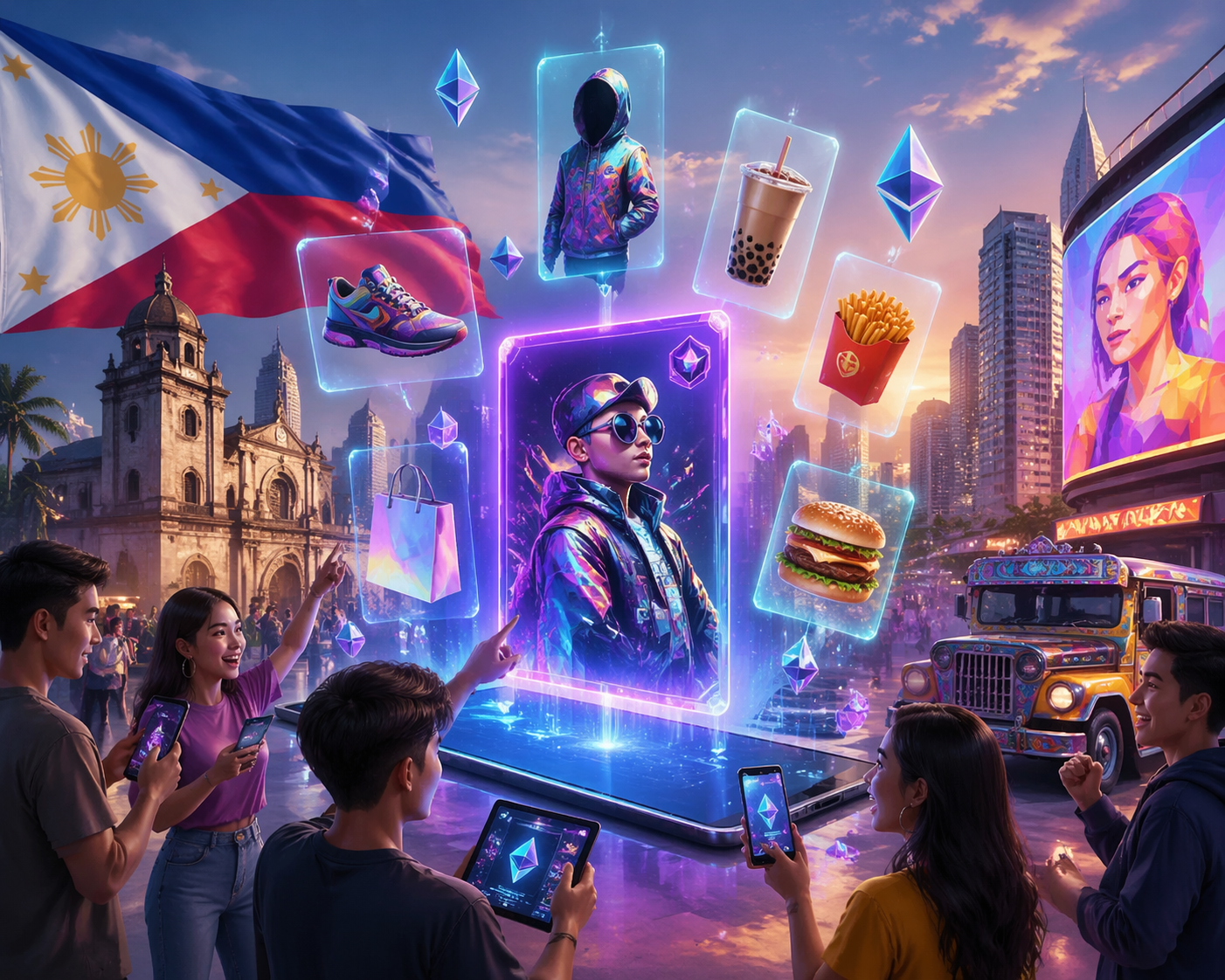
The Philippines is one of the most dynamic and rapidly evolving markets in Southeast Asia, and it has increasingly embraced digital innovation. Over the past few years, Non-Fungible Tokens (NFTs) have taken the world by storm, reshaping industries ranging from entertainment to finance. NFTs, which are unique digital assets that are stored on the blockchain, have emerged as an intriguing new tool in the world of marketing and advertising. In the Philippines, the advertising industry has begun to harness the power of NFTs to revolutionize campaigns, enhance customer engagement, and create a new kind of digital experience. This article explores how NFTs are being utilized in the Philippine advertising landscape, highlighting the creative applications and the potential for new marketing campaigns.
What Are NFTs?
Before delving into their role in advertising, it is crucial to understand what NFTs are. At their core, NFTs are digital assets that represent ownership of a unique item or piece of content, secured by blockchain technology. Unlike cryptocurrencies like Bitcoin or Ethereum, which are interchangeable, NFTs are unique, with each token having its own value and characteristics. They can represent anything from digital art, videos, and music to in-game items and even real estate.
The rise of NFTs in the Philippines has coincided with the growing interest in digital and online trends, particularly in the wake of the COVID-19 pandemic. As businesses sought innovative ways to engage with audiences remotely, NFTs presented a new and creative avenue for brand interaction.
NFTs in Philippine Advertising: A New Era of Creativity
In the Philippines, the advertising sector has always been known for its ability to adapt to new trends and technologies. Over the years, the industry has embraced digital advertising, social media platforms, and influencer marketing, all of which have played crucial roles in engaging the Filipino consumer. However, NFTs represent an entirely new layer of creativity and interactivity for brands looking to stand out.
One notable example of NFTs in Philippine advertising came from the local fashion and retail industry. Several Philippine fashion brands have partnered with artists and digital creators to release limited-edition NFTs as a form of exclusive marketing. These NFTs often take the form of digital artwork, animation, or interactive experiences that tie directly into the brand’s identity or ethos. For example, a brand might release a collection of NFTs featuring limited-edition digital fashion items, where buyers can collect or trade them. This creates an entirely new form of customer engagement, where the NFT acts as both a digital collectible and a key to accessing exclusive products, services, or experiences.
Beyond fashion, the food and beverage industry in the Philippines has also adopted NFTs to bolster brand visibility. For instance, some fast-food chains have issued NFTs that allow customers to access special promotions, discounts, or collectible items. These types of campaigns not only engage customers in new ways but also build a sense of community around the brand. By linking real-world experiences with digital ownership, these campaigns tap into the growing culture of digital exclusivity and scarcity, which resonates strongly with younger Filipino audiences who are active in digital spaces like social media and gaming.
The Power of NFTs in Building Brand Loyalty and Engagement
One of the most compelling reasons for brands in the Philippines to experiment with NFTs is the potential to build deeper customer relationships and brand loyalty. Traditional advertising methods, such as print, TV, and radio, are increasingly becoming less effective in engaging the modern, tech-savvy consumer. NFTs, on the other hand, offer a unique opportunity for brands to create meaningful and personalized experiences for their audience.
Through NFTs, brands can reward their most loyal customers with exclusive access to products or services. For example, a brand could issue an NFT that grants its holder access to a private event, a special promotion, or even a limited-edition product that isn’t available to the general public. This creates a sense of exclusivity and belonging, driving higher levels of engagement and emotional attachment to the brand.
Moreover, NFTs are capable of unlocking new dimensions of storytelling and interactivity. Brands can release collectible NFT series that evolve over time, with each new token offering a piece of a larger narrative. This kind of campaign encourages customers to collect and engage with the brand over an extended period, fostering a more continuous relationship rather than a one-off transaction. For instance, a local artist might collaborate with a brand to create a digital storyline that unfolds through different NFT releases, sparking curiosity and engagement as customers seek out the next piece of the puzzle.
The Potential Challenges and Future of NFTs in Philippine Advertising
Despite the excitement around NFTs, there are challenges that the Philippine advertising industry must address in order to maximize the potential of these digital assets. The technology behind NFTs is still relatively new, and many consumers are still unfamiliar with how they work or how they can be integrated into their everyday lives. Education around NFTs, blockchain technology, and digital wallets is crucial to ensure the widespread adoption of these assets in advertising campaigns.
Another challenge is the environmental impact of NFTs. The process of minting NFTs, especially on energy-intensive blockchains like Ethereum, has raised concerns about carbon emissions. While newer, more sustainable blockchain options are emerging, this issue remains a hurdle for brands that want to ensure their campaigns are environmentally responsible.
Despite these challenges, the future of NFTs in the Philippine advertising industry looks promising. As more businesses explore the potential of blockchain technology, NFTs will likely play an increasingly important role in shaping the way brands interact with consumers. With their ability to create unique, interactive, and engaging digital experiences, NFTs offer a fresh and innovative avenue for marketers to explore in the pursuit of deeper customer relationships and greater brand loyalty.