
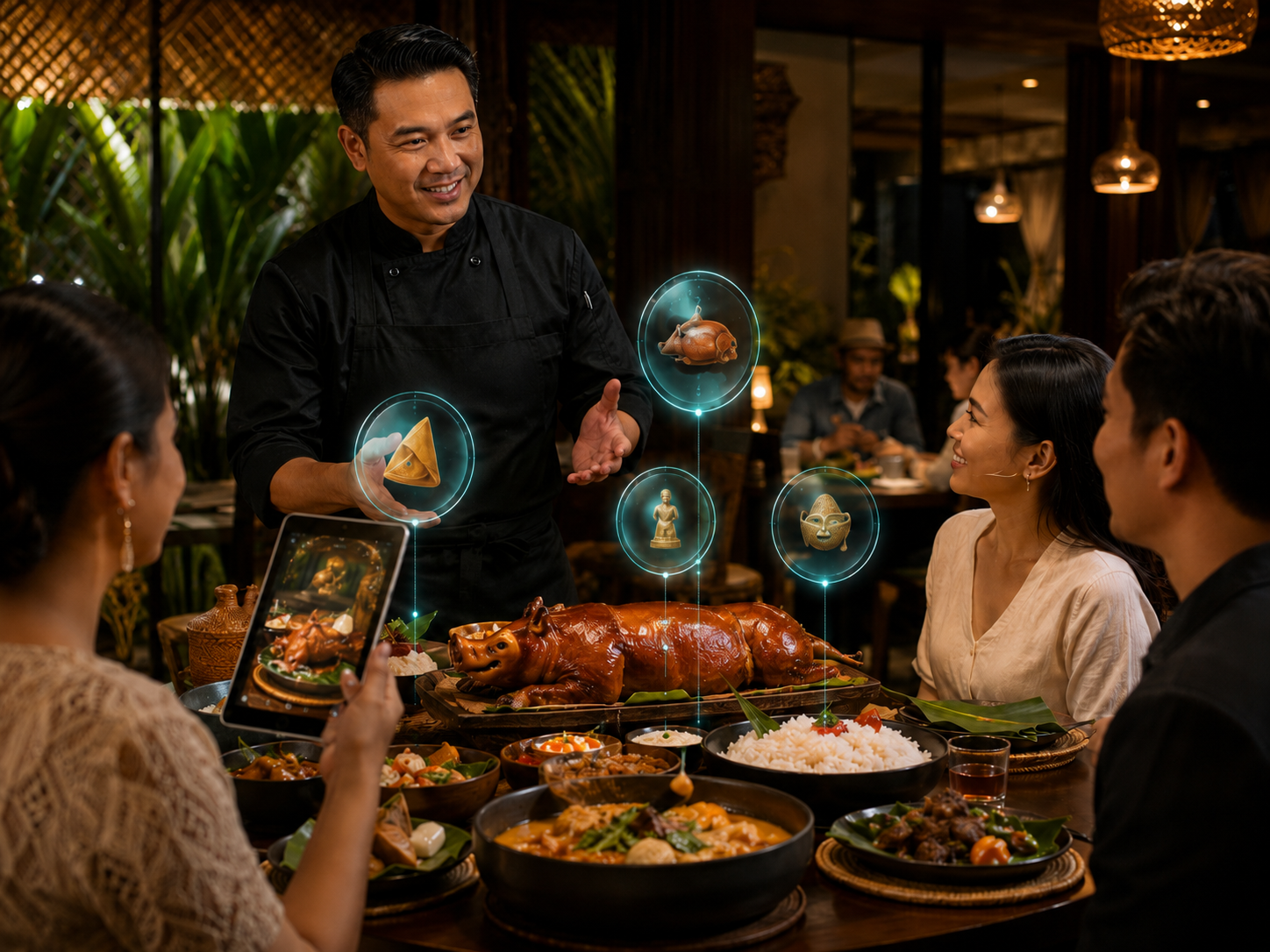
The Filipino culinary scene has always been built on memory, family, celebration, and storytelling. From the comfort of adobo simmered at home to the spectacle of lechon served at fiestas, food in the Philippines is more than consumption; it is culture. Now, a new digital layer is entering the conversation: non-fungible tokens, or NFTs. Once closely associated with digital art and speculative trading, NFTs are beginning to offer restaurants, chefs, food brands, and culinary tourism operators a new way to sell not only food, but access, identity, and experience.
In the culinary industry, an NFT can function as a digital certificate of ownership, membership, or access. For a Filipino restaurant, this may mean selling a limited-edition token that gives buyers priority reservations, chef’s table invitations, exclusive tasting menus, cooking classes, or behind-the-scenes farm-to-table tours. Unlike a regular voucher, an NFT can be collected, traded, and verified on a blockchain, making it both a digital asset and a loyalty tool.
This model is especially interesting for Filipino cuisine because the country’s food culture is deeply experiential. A dish such as kare-kare is not only about peanut sauce and oxtail; it carries regional influence, family technique, and personal nostalgia. NFTs allow chefs to package these stories into digital collectibles. A token could include a short documentary of a grandmother’s recipe, a digital artwork inspired by a regional dish, and access to a private dinner where the recipe is served in a modern format.
For restaurants in Manila, Cebu, Davao, or emerging food destinations, NFTs may also support culinary tourism. Imagine a “Digital Filipino Food Passport” where travelers collect NFT stamps after dining at partner restaurants, visiting local markets, or joining cooking workshops. Each token could unlock future perks, such as discounts, private menu previews, or invitations to seasonal food events. This turns dining into a longer relationship between customer and brand, rather than a one-time transaction.
For chefs, NFTs can create new revenue streams beyond the physical restaurant. A rising Filipino chef could release a limited collection based on signature dishes, with each NFT linked to virtual cooking sessions, downloadable recipe cards, or annual tasting events. Independent food entrepreneurs, from specialty coffee roasters to artisanal vinegar makers, could use NFTs to build communities around craftsmanship and provenance.
However, the opportunity is not without challenges. Many diners still see NFTs as confusing, risky, or overly technical. Restaurants must avoid treating them as gimmicks. The strongest projects will be simple, useful, and emotionally connected to food. Buyers should clearly understand what they receive, whether it is access to an event, a collectible, a membership benefit, or a real-world dining reward.
There are also concerns about fraud, unstable prices, and the environmental reputation of blockchain technology. Culinary brands entering this space need transparency, responsible platform choices, and clear customer protection. In an industry built on trust and hospitality, the digital experience must feel as welcoming as the dining room itself.
For the Philippine food industry, NFTs are not meant to replace the joy of eating together. Their real potential lies in extending that joy into a digital world where memories, recipes, access, and cultural identity can be collected and shared. If done thoughtfully, NFTs could help Filipino cuisine reach global audiences while giving diners something more lasting than a receipt: a verified piece of the story behind the meal.