
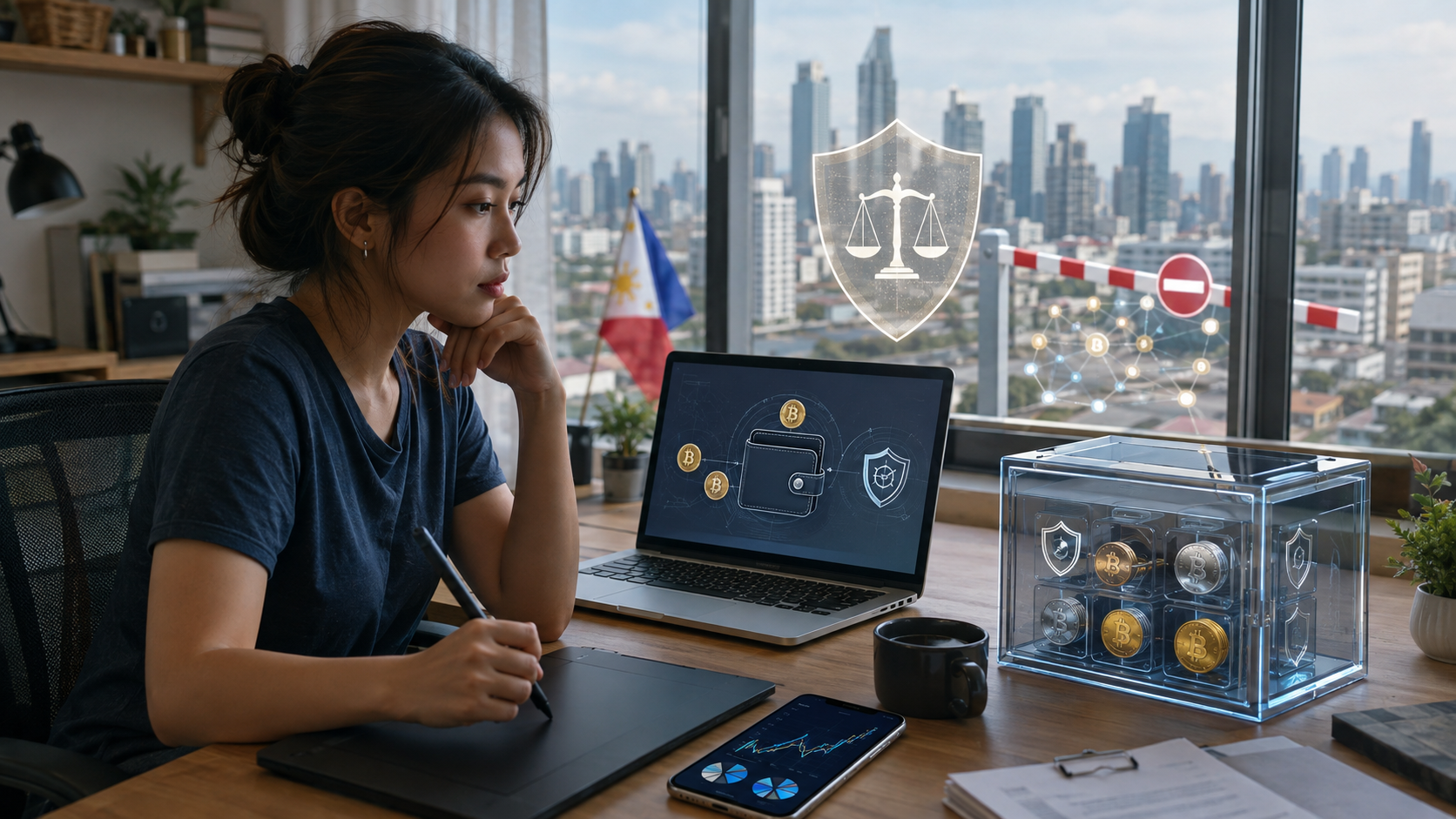
A Manila-based freelance graphic designer learned in January 2026 that her USDC savings could be frozen not because of a blockchain failure, but because her exchange had not completed the latest BSP-required proof-of-reserve filing. Her experience captures the practical shift now reshaping Philippine crypto: regulation is no longer a distant policy debate. It determines which platforms users can access, how their assets are protected, and what investors owe in taxes.
Why 2026 Is a Turning Point for Philippine Crypto Regulation
The Bangko Sentral ng Pilipinas remains the main gatekeeper for virtual asset service providers or VASPs. Under BSP Circular No. 1108, exchanges and wallet providers must obtain a Certificate of Authority, maintain adequate capital, perform customer due diligence, and submit suspicious transaction reports. In early 2026, BSP examiners are enforcing those obligations more aggressively, with unannounced checks on custodial wallets and liquidity buffers.
SEC’s Expanded Role in Token Listings and Investor Protection
At the same time, the Securities and Exchange Commission has moved beyond its earlier advisory against Binance to define which cryptoassets are securities. In 2026, platforms listing new tokens face tighter disclosure rules, while unlicensed offshore exchanges are being cut off by payment rails. The result is a more closed but also more structured market.
Direct Impact on Filipino Crypto Users
Fewer Offshore Platforms, More Local Compliance Costs
Retail users who relied on foreign exchanges without local registration are finding deposit and withdrawal channels blocked. Local banks and e-wallets now flag transfers to unregistered platforms. The result is a shift toward locally licensed players such as PDAX, Coins.ph, and Maya Crypto, but also higher trading fees as platforms absorb compliance costs.
Stronger Proof-of-Reserve and Asset Segregation
One clear upside is stronger consumer protection. BSP-aligned VASPs must segregate customer assets and provide verifiable proof-of-reserve. For investors, that reduces the risk of another FTX-style commingling failure, though it does not eliminate market or volatility risk.
Investor Consequences: Taxes, Token Selection, and Institutional Behavior
Clearer Tax Treatment, Heavier Reporting
The Bureau of Internal Revenue has clarified that income from crypto disposals is taxable, and exchanges must report user transactions. Investors now face stricter documentation for airdrops, staking rewards, and peer-to-peer trades. This creates a compliance burden but also provides legal certainty for those declaring gains.
Token Delistings and Flight to Quality
SEC scrutiny is pushing exchanges to delist low-disclosure tokens. For investors, speculative altcoin exposure is harder to access. Bitcoin, Ether, and licensed stablecoin pairs are becoming dominant. Institutional players are entering because regulated custody reduces legal risk and opens doors to traditional finance partners.
What Users and Investors Should Watch in 2026
Monitor the BSP list of licensed VASPs, check whether your exchange has proof-of-reserve, and treat tax reporting as part of crypto activity. The regulatory direction is clear: the Philippines is prioritizing investor protection and tax transparency over open-access offshore trading. For Filipino users and investors, 2026 is less about debating whether crypto is legal and more about knowing which platforms, tokens, and tax obligations now define legal participation.