
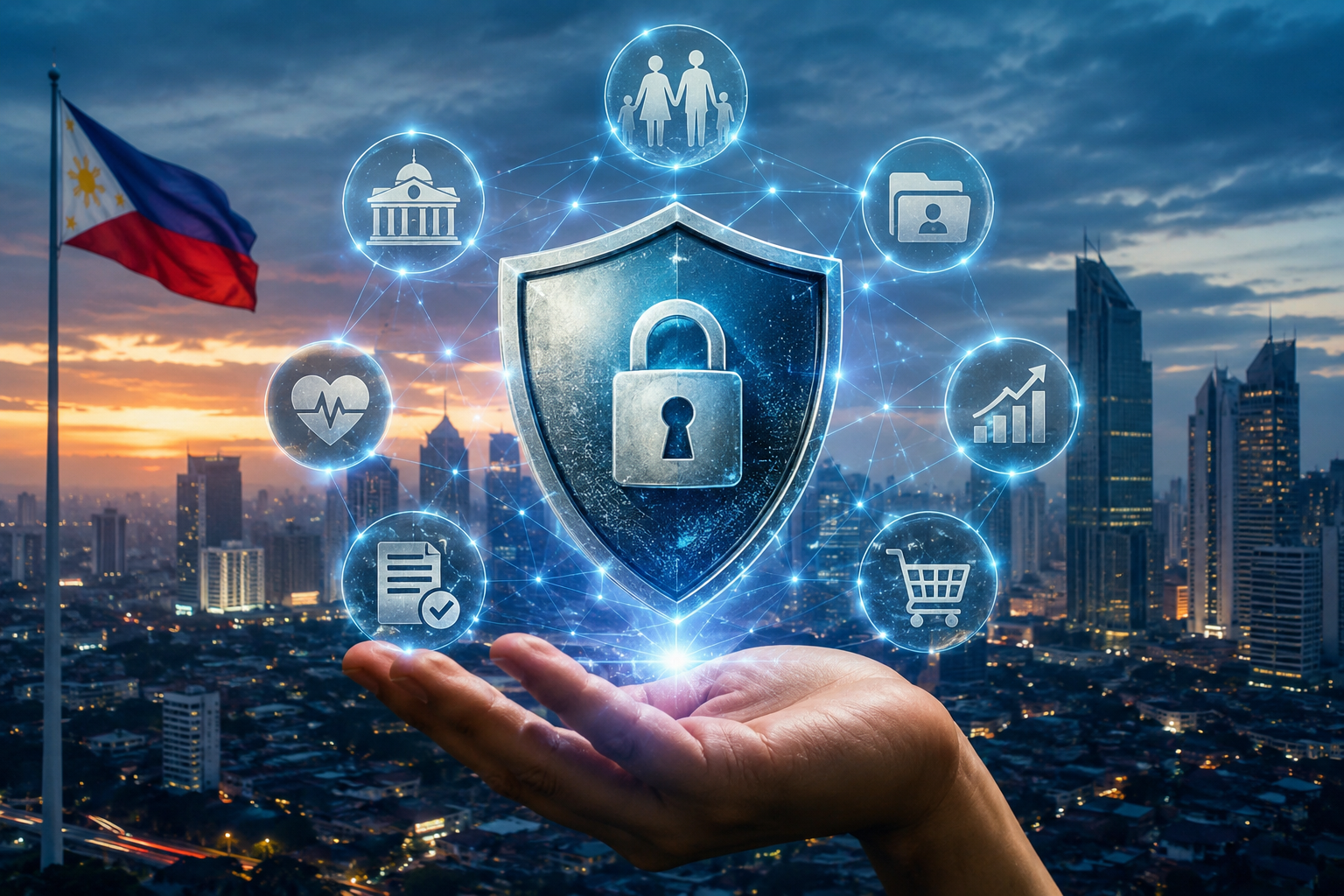
In September 2023, the Philippine Health Insurance Corporation (PhilHealth) was hit by a ransomware attack that exposed sensitive personal and medical data of millions of Filipinos. The breach was not an outlier. The 2016 Commission on Elections database leak and the 2021 BDO fraud wave exposed the same structural weakness: centralized databases create single points of failure. Today, Philippine regulators, banks, and technology startups are exploring Web3—a decentralized internet built on blockchain—as a practical answer to long-standing digital security problems.
A Cybersecurity Wake-Up Call Rooted in Centralized Failure
The Department of Information and Communications Technology’s National Cybersecurity Plan 2023–2028 highlights that the country’s reliance on centralized digital repositories has made citizen data and critical services more vulnerable to breaches, insider threats, and ransomware. According to the plan, emerging technologies such as distributed ledger technology should be assessed to improve system resilience and data integrity.
The PhilHealth Breach and the Cost of Centralization
When attackers breached PhilHealth, they reportedly demanded a $300,000 ransom and accessed records linked to millions of members. The incident forced a national conversation about how government agencies store personally identifiable information. Most Philippine government databases still operate on centralized servers, meaning one compromised administrator account or unpatched system can expose an entire population. Web3’s core principle—distributing trust across a network rather than placing it in one server—directly addresses this weakness.
How Web3 Strengthens Digital Defense in the Philippines
Web3 combines blockchain, cryptography, self-sovereign identity, and smart contracts. In the Philippine context, these tools are being piloted to reduce fraud, protect citizen data, and automate security protocols.
Self-Sovereign Identity for Citizens
Instead of storing all personal data in a single government database, decentralized identity lets citizens control their own credentials. A national ID holder could share only a cryptographic proof of age or address—without revealing the full dataset. The Bangko Sentral ng Pilipinas and DICT have explored blockchain-based verification layers for the Philippine Identification System, aiming to reduce exposure from future breaches while enabling seamless digital onboarding for banks and e-wallets.
Smart Contracts for Automated Security and Compliance
Smart contracts can execute security rules automatically. A government procurement system could release funds only when delivery data is verified by multiple nodes, reducing corruption and unauthorized access. In private insurance, UnionBank and local Web3 startups have tested blockchain for processing claims, ensuring that sensitive health or disaster-assistance data is handled through permissioned access rather than centralized spreadsheets.
Immutable Audit Trails for Government Data
Every access attempt and data modification on a blockchain can be recorded in an immutable log. This gives Philippine agencies a powerful tool for detecting insider threats—one of the hardest attack vectors to stop. If a PhilHealth employee’s account were used to extract records, an audit trail could immediately flag the anomaly without relying on easily altered server logs.
Real-World Adoption and the Regulatory Push
The Philippines is already home to progressive blockchain use cases. UnionBank has operated blockchain-based remittance and corporate payment services, while platforms like PDAX and Coins.ph bring digital asset trading under Bangko Sentral ng Pilipinas oversight. The central bank’s regulatory sandbox allows financial institutions to test decentralized identity and tokenized assets within controlled environments. These pilot programs signal a shift from treating Web3 as speculative technology to using it as critical digital infrastructure.
Challenges Slowing Web3 Adoption
Despite the promise, adoption faces real hurdles. Internet connectivity in rural areas remains uneven, and many Filipinos still rely on basic smartphones. Regulatory clarity is improving but fragmented across agencies. Energy consumption and blockchain scalability also raise concerns, especially for government-wide deployment. Moreover, Web3 interfaces are often too technical for mass adoption, requiring deeper investment in digital literacy and user experience design.
What Comes Next for Philippine Digital Security
As 2026 unfolds, the Philippines is positioning itself as a regional testing ground for decentralized cybersecurity. Expect more public–private pilots linking PhilSys to self-sovereign credentials, blockchain-backed health records, and smart contract-based procurement. The shift will not happen overnight, but every high-profile breach has pushed the country closer to a model where citizens—not centralized servers—hold the keys to their own data.