
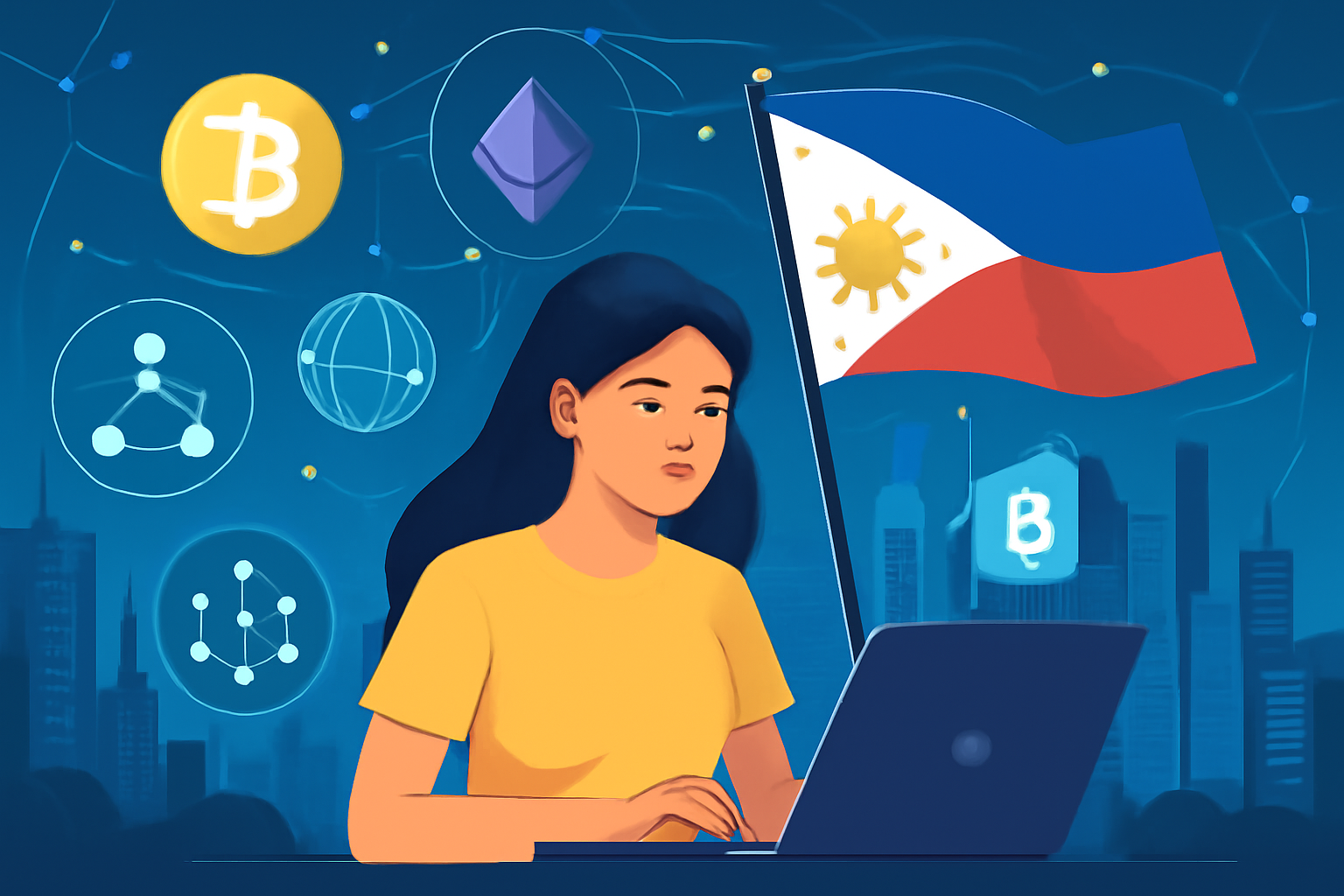
The Philippines is fast emerging as one of Southeast Asia’s key players in the rapidly evolving Web3 space. This transformation is largely due to a combination of factors, including the country’s young and tech-savvy population, favorable government policies, strong digital infrastructure, and the increasing popularity of blockchain-based applications. Web3, the next evolution of the internet powered by decentralized technologies like blockchain, is set to reshape industries and economies. The Philippines, with its strategic advantages, is positioning itself as a leading hub for Web3 innovation in Southeast Asia.
1. The Rise of Digital Adoption and a Tech-Savvy Population
The Philippines has one of the fastest-growing digital economies in the region, fueled by its young and increasingly tech-savvy population. Approximately 75% of the population is under the age of 40, with a significant portion being digital natives. This demographic is highly adaptable to new technologies, and many have already embraced blockchain and cryptocurrencies. According to reports, the Philippines ranks as one of the top countries in terms of crypto adoption, with many individuals using digital assets for remittances, investment, or everyday transactions.
The young population is not just a consumer of Web3 technologies but is also actively involved in creating them. Filipino developers, engineers, and entrepreneurs are beginning to build their own blockchain projects, contributing to the global Web3 ecosystem. Platforms like Axie Infinity, a blockchain-based game developed by the Filipino company Sky Mavis, have drawn international attention, showcasing the potential of Filipino talent in the Web3 space.
2. Government Support and Regulatory Clarity
While Web3 remains a new and somewhat disruptive field, the Philippine government has taken proactive steps to ensure the country can benefit from its growth. The country’s regulatory environment is seen as relatively open compared to other nations in Southeast Asia. The Philippines’ central bank, Bangko Sentral ng Pilipinas (BSP), has already issued clear guidelines for virtual asset service providers (VASPs) and digital asset exchanges, making it easier for blockchain companies to operate legally.
The government’s openness to cryptocurrencies and blockchain is also demonstrated by the creation of the Philippine Blockchain Association (PBS) and various initiatives aimed at supporting the development of blockchain technology in the country. In addition, the country’s growing fintech landscape has led to the development of several Web3 startups focused on decentralized finance (DeFi), digital identity solutions, and supply chain transparency.
Moreover, the Philippine Economic Zone Authority (PEZA) has identified blockchain-related businesses as priority sectors for development, offering tax incentives and other benefits to attract international Web3 firms to the country. This type of government support is crucial in nurturing the growth of Web3 technology and attracting international players in the space.
3. Crypto Remittances and Financial Inclusion
A significant factor contributing to the Philippines’ position as a Web3 hub is the large volume of remittances that flow into the country annually. The Philippines is one of the world’s largest recipients of remittances, with millions of Overseas Filipino Workers (OFWs) sending money back home. Traditional remittance services often come with high fees and slow processing times, but blockchain-based solutions are helping reduce costs and speed up transactions.
The adoption of cryptocurrencies such as Bitcoin and stablecoins has provided a viable alternative to traditional remittance services. Blockchain technology enables near-instant, low-cost cross-border payments, which is particularly beneficial for the millions of Filipinos living abroad. As more people in the Philippines begin using blockchain-based solutions for remittances, it is further driving the country’s Web3 ecosystem.
Moreover, Web3 technology is helping increase financial inclusion for the unbanked population in the Philippines. With nearly 30 million Filipinos still lacking access to formal banking services, decentralized finance (DeFi) applications present an opportunity to bridge the gap. Using smartphones and internet access, individuals can participate in Web3-based financial services such as lending, borrowing, and investing, without the need for traditional banking infrastructure.
4. A Thriving Web3 Startup Ecosystem
The Philippines has become a magnet for Web3 startups, with both local and international entrepreneurs flocking to the country to build new technologies. Several blockchain projects, especially those focusing on gaming, DeFi, and NFTs (non-fungible tokens), have found success in the Philippines. A prime example is the rise of play-to-earn games like Axie Infinity, which has attracted a massive following in the country. The game’s success has not only highlighted the Philippines’ potential as a hub for blockchain gaming but also demonstrated the country’s role in shaping the future of Web3 entertainment.
The growth of Web3 startups in the Philippines is also being supported by local incubators and accelerators that focus on blockchain and Web3 technologies. These organizations provide mentorship, funding, and resources to budding startups, helping them scale their operations. The establishment of blockchain-focused events, such as the Philippine Blockchain Week, also plays a critical role in fostering collaboration, knowledge-sharing, and networking within the Web3 ecosystem.
5. Strategic Location and Infrastructure
The Philippines’ strategic location in Southeast Asia, coupled with a relatively well-developed digital infrastructure, makes it an attractive destination for Web3 innovation. The country has a robust internet infrastructure with increasing mobile penetration and affordable data plans. This accessibility to the internet is essential for the adoption of Web3 applications, which are largely internet-based.
Furthermore, the Philippines’ proximity to other Web3-friendly nations such as Singapore and South Korea provides an ideal environment for regional collaboration and expansion. Southeast Asia is home to one of the world’s fastest-growing digital economies, and the Philippines’ positioning allows it to tap into this growth while serving as a gateway to the broader Asian market.
Conclusion
The Philippines is poised to become a leading hub for Web3 innovation in Southeast Asia due to its youthful, tech-savvy population, government support, the rise of blockchain-based financial services, and a thriving startup ecosystem. As the world increasingly moves toward decentralized technologies, the Philippines stands at the forefront of the Web3 revolution, with the potential to shape the future of the internet in the region and beyond. With continued government backing, infrastructure development, and the passion of its entrepreneurs, the Philippines is well on its way to becoming the center of Web3 innovation in Southeast Asia.