
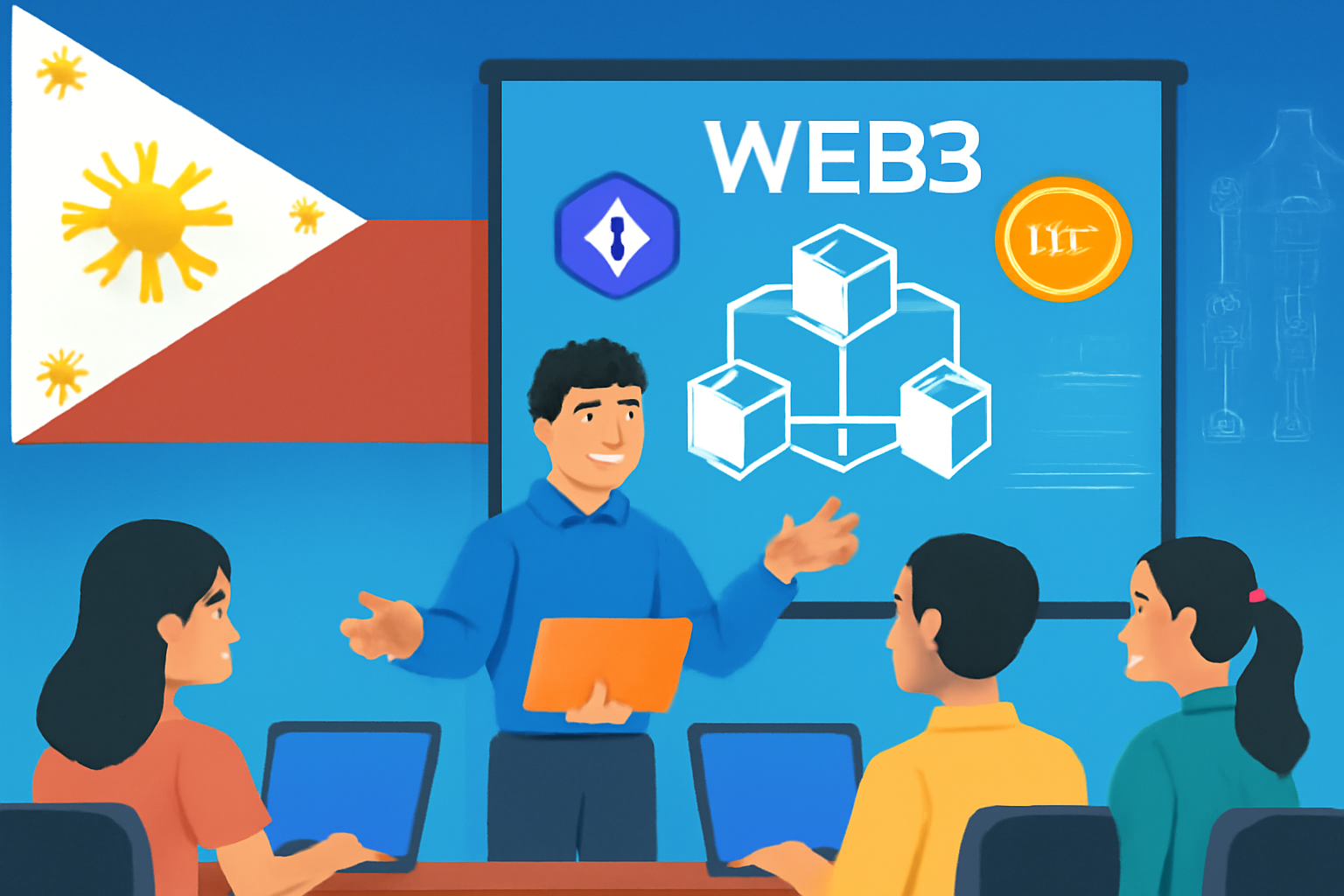
The Philippines, an emerging hub for technological innovation in Southeast Asia, is beginning to see a significant shift in its approach to digital education. One of the most prominent and transformative technologies making waves in the country is Web3, the decentralized internet powered by blockchain technology. With the rise of Web3 applications such as decentralized finance (DeFi), non-fungible tokens (NFTs), and smart contracts, there is an increasing demand for skilled developers who can understand, build, and scale solutions within this ecosystem.
The Growing Importance of Web3 Education
Web3 has the potential to revolutionize industries such as finance, healthcare, supply chain management, and entertainment by offering a more transparent, secure, and decentralized alternative to the current web infrastructure. For the Philippines, embracing this technology means not only adopting new tools for innovation but also creating opportunities for a highly skilled workforce capable of navigating the complexities of blockchain development.
Historically, blockchain education in the Philippines was limited, with only a handful of tech enthusiasts and early adopters taking part in the movement. However, as interest in blockchain and Web3 has skyrocketed globally, so too has the need for skilled professionals to drive forward the growth of decentralized technologies in the country. Universities, tech institutions, and boot camps are now increasingly offering blockchain-related courses, and local businesses are looking for ways to integrate Web3 into their operations.
Educational Initiatives Paving the Way
Several key institutions in the Philippines have begun to embrace Web3 education, offering specialized courses and programs to meet the growing demand for blockchain developers.
- University Programs: Some universities are leading the charge by integrating blockchain technology and Web3 concepts into their computer science and engineering programs. For example, Ateneo de Manila University has partnered with various international tech organizations to offer blockchain courses, while De La Salle University has also started incorporating blockchain fundamentals into its tech curriculum.
- Tech Bootcamps and Workshops: In addition to formal university programs, there is a rise in blockchain boot camps and workshops designed to give Filipinos hands-on experience in Web3 development. These bootcamps, often conducted by local tech startups or international blockchain companies, focus on practical learning, enabling participants to gain coding skills in smart contract development, decentralized applications (dApps), and the underlying principles of Web3 technology.
- Partnerships with Global Blockchain Communities: To accelerate the learning process, several Philippine-based educational organizations have partnered with global blockchain communities such as the Ethereum Foundation, Binance Academy, and ConsenSys Academy. These collaborations allow students to access world-class resources, certifications, and expert-led seminars that cover a broad range of Web3 topics, from cryptography to decentralized governance.
Training a New Workforce for Web3 Development
The Philippines is home to a growing number of blockchain-related startups, with companies such as Slock.it and Coins.ph already paving the way for blockchain adoption in the region. As the Web3 ecosystem expands, the need for a skilled workforce is more urgent than ever. Filipinos, with their reputation for being tech-savvy, adaptable, and fluent in English, are in an ideal position to take advantage of this emerging sector.
Blockchain education in the Philippines is not just about teaching the technical aspects of the technology but also fostering a mindset of innovation and entrepreneurship. By equipping young developers with the necessary skills, the Philippine education system is not only preparing individuals for careers in Web3 but also empowering them to become pioneers in building decentralized solutions for local and global problems.
Challenges and Opportunities
While the rise of Web3 education in the Philippines is promising, several challenges remain. One of the key hurdles is the lack of access to quality resources and infrastructure in rural areas. Many young Filipinos outside Metro Manila may not have the same opportunities to learn about Web3 or engage with blockchain education initiatives. Bridging this gap through online courses, decentralized learning platforms, and community-driven projects is essential to ensure that no one is left behind.
Moreover, the rapidly evolving nature of blockchain technology means that educators must constantly update their curriculum to reflect the latest trends and best practices. This requires strong collaboration between universities, tech companies, and government bodies to ensure that Web3 education in the Philippines remains relevant and effective.
Despite these challenges, the future of Web3 education in the Philippines looks bright. As more local and international organizations invest in blockchain education, and as the demand for Web3 professionals continues to rise, the Philippines has the potential to become a leading exporter of blockchain talent.
Web3 education in the Philippines is an exciting frontier with the potential to reshape the country’s technological landscape. By preparing a new generation of blockchain developers, the Philippines is positioning itself as a key player in the global decentralized economy. As more students embrace blockchain and Web3 technologies, they will not only enhance their career prospects but also contribute to building a more open, secure, and inclusive digital future for the Philippines and beyond. With continued investment in education and infrastructure, the country has a bright future in the Web3 space, creating opportunities for both local innovation and global collaboration.