
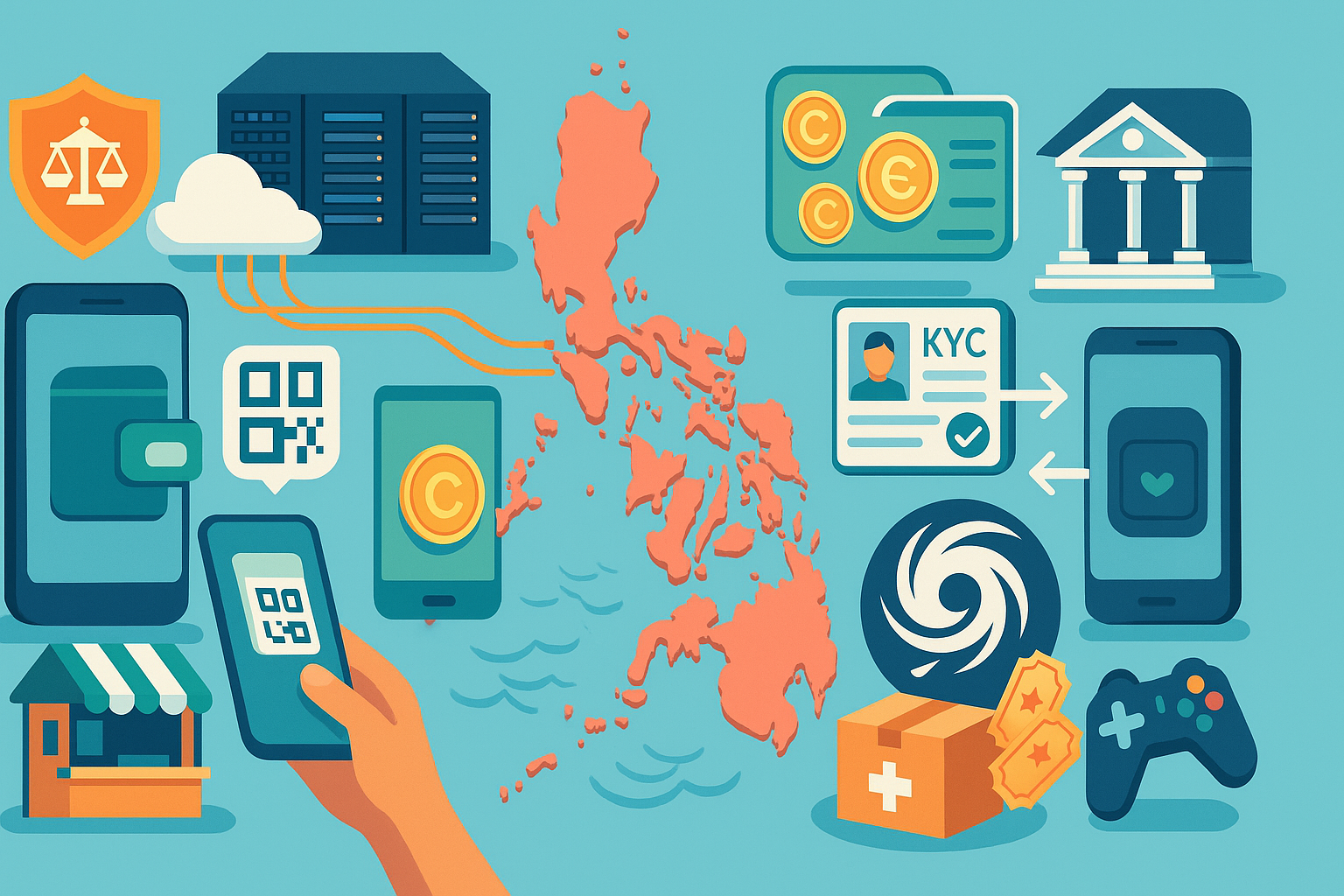
The Philippines is poised to translate its mobile-first economy and massive remittance flows into a Web3 testbed—if infrastructure and governance keep pace. Understanding how base-layer connectivity, regulatory guardrails, and real-world use cases intersect is essential for founders, investors, and policymakers.
Why the Philippines is Web3-Ready
A young, online population, high social-media penetration, and widespread e-wallet adoption (think fast peer-to-peer payments and QR commerce) create fertile ground for on-chain services. The country’s remittance market—one of the world’s largest by share of GDP—naturally aligns with blockchain’s strengths: 24/7 settlement, transparent fees, and programmable compliance. Add a thriving freelance and BPO sector that earns in foreign currency, and you have strong demand for faster cross-border rails, stablecoins, and tokenized invoices.
The Infrastructure Stack: From Fiber to Finality
Web3 cannot thrive without dependable Web2. Key layers to watch:
- Connectivity: National broadband expansion, new submarine cables, and rural tower buildouts reduce latency and lift reliability—critical for mobile wallets, exchanges, and dApps. Disaster-resilient backhaul and power redundancy matter in a typhoon-prone archipelago.
- Data Centers & Cloud: Local data centers enable lower-latency APIs for exchanges, NFT marketplaces, and oracle feeds, while regional cloud points of presence absorb traffic spikes during token launches and airdrops.
- Identity & KYC: Strong eKYC, SIM registration, and emerging digital ID systems are the bridges between wallets and the regulated financial system. Interoperable identity standards help users port verified credentials across platforms.
- On/Off Ramps: Bank-linked e-money issuers, licensed VASPs, and regulated OTCs provide fiat bridges. The smoother the ramps, the more viable Web3 becomes for everyday use.
Regulatory Landscape and Risk Controls
Regulators have generally emphasized consumer protection, AML/CFT compliance, and sandboxing novel models. Expect licensing for virtual asset service providers, travel-rule obligations for transfers, and guidance on custody, stablecoins, and staking. Macro-prudential concerns focus on exchange solvency, segregation of assets, and token listing standards. Developers should design for compliance by default: embedded KYC, transaction monitoring, and auditable smart contracts.
Use Cases with Local Fit
- Remittances & FX: Stablecoin corridors can compress settlement times and costs. Hybrid models—on-chain settlement with regulated off-ramps—balance speed and compliance.
- Micropayments & Creator Economies: Pay-per-use content, tipping, and token-gated communities map well to the Philippines’ social-commerce culture.
- MSME Financing: Tokenized receivables and revenue-share contracts can unlock working capital for small merchants, especially those operating via marketplaces and QR payments.
- GovTech & Aid Distribution: Programmable, traceable disbursements (vouchers, conditional cash transfers) can reduce leakage during emergencies and speed recovery in disaster zones.
- Gaming & Loyalty: Web3 gaming and interoperable loyalty points can turn high engagement into portable value—provided projects avoid speculative excess.
Technical Choices that Matter
- Chains & Finality: Favor EVM-compatible chains or widely supported L2s for developer tooling and liquidity access. Fast finality improves UX for payments.
- Interoperability: Bridges and messaging protocols reduce fragmentation. Where possible, use battle-tested standards and minimize custom bridging risk.
- Security: Independent audits, bug bounties, and hardware-backed key management are non-negotiable. Assume mobile-first threat models (SIM swap, phishing).
- Cost Optimization: Gas-efficient design and batching make micro-transactions viable; abstract fees for end users when possible.
Execution Playbook for Builders
- Start with a regulated fiat on-/off-ramp partner and clear KYC flows.
- Ship a narrow, high-utility product (e.g., stablecoin payouts for freelancers) before expanding.
- Localize UX: low-bandwidth modes, offline cues, and multilingual support.
- Bake in user education: in-app warnings, scam-prevention tips, and reversible safeguards where feasible.
- Form public-private partnerships to pilot in disaster relief, MSME credit, or tourism payments.
Key Risks and How to Mitigate
Scams, rug pulls, and market volatility threaten trust—vet tokens and educate users aggressively. Downtime from power or network outages argues for multi-region redundancy. Regulatory changes can be swift; maintain dialogue with authorities and design modular compliance. Finally, avoid speculative tokenomics that overshadow real utility.
For the Philippines, Web3’s promise is pragmatic: faster, cheaper, more transparent rails layered on a rapidly improving digital backbone. Teams that pair rigorous compliance and resilient infrastructure with everyday usefulness are best positioned to win.