
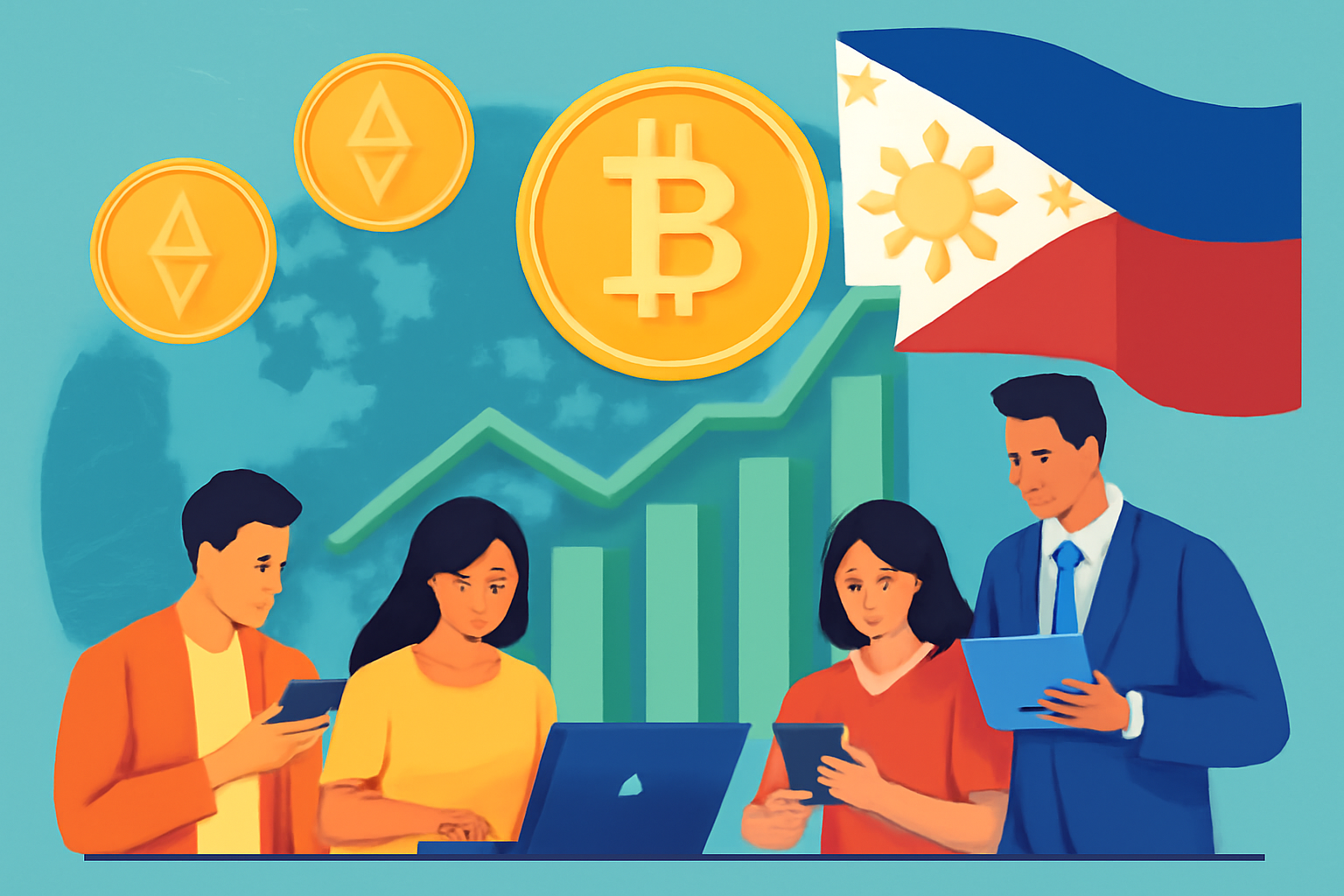
The cryptocurrency market in the Philippines has experienced significant growth over the past few years, evolving from a niche interest to a mainstream investment avenue. From novice traders experimenting with Bitcoin to large institutional investors making strategic moves, the landscape of crypto investment has undergone a substantial transformation. In this article, we will delve into the current trends in crypto investment in the Philippines, examining how different groups—from beginners to institutions—are engaging with the market.
The Rise of Crypto Among Beginners
One of the most notable trends in the Philippines’ crypto market is the increasing interest from beginner investors. This surge is driven by a combination of factors, including the desire for alternative investment opportunities, the promise of high returns, and the growing popularity of digital currencies like Bitcoin, Ethereum, and various altcoins. The Philippines, with its young, tech-savvy population, has seen a wave of retail investors entering the crypto space.
Local exchanges such as Coins.ph, PDAX, and Binance have played a critical role in making cryptocurrency more accessible to the average Filipino. These platforms provide user-friendly interfaces and lower entry barriers, making it easier for people with little to no experience in finance or investing to start trading. In fact, according to a 2023 report by the Bangko Sentral ng Pilipinas (BSP), over 4 million Filipinos were reported to have engaged with cryptocurrencies, with the majority being first-time investors.
One of the major attractions of crypto for beginners is the potential for high returns. The rise in the value of Bitcoin and other cryptocurrencies, particularly during bullish market periods, has captured the attention of many seeking quick profits. Additionally, social media and online communities such as Reddit, Twitter, and Telegram have further fueled this interest by sharing success stories and providing a platform for real-time discussions about the crypto market.
However, despite the allure of potential gains, beginner investors are often unaware of the risks involved, such as the high volatility and lack of consumer protection in the space. This has led to a growing need for educational initiatives, with local institutions and even crypto exchanges offering workshops and resources to help beginners understand the market dynamics and manage risks effectively.
Institutional Investment: A Growing Trend
While individual retail investors have been a driving force in the Philippines’ crypto market, a significant and growing trend is the entry of institutional investors. Large financial institutions, venture capital firms, and other corporate players have begun to recognize the value proposition of cryptocurrencies as both a store of value and a potential hedge against traditional market volatility.
For instance, some Philippine banks have started to offer crypto-related services, such as custodial services, allowing institutions to hold and manage their digital assets in a secure manner. The collaboration between traditional financial institutions and the crypto industry marks a key turning point in the Philippines’ acceptance of crypto as a legitimate financial asset. As a result, institutional investment in cryptocurrencies has become more mainstream, with companies like UnionBank and Rizal Commercial Banking Corporation (RCBC) actively exploring blockchain technology and digital asset management.
Moreover, the Philippine government has shown positive signs towards regulatory frameworks for digital currencies, which provides further confidence to institutional investors. In 2020, the BSP introduced regulations aimed at creating a safe environment for crypto exchanges and ensuring anti-money laundering (AML) compliance. These regulations are seen as a positive step toward enhancing the legitimacy of the market and attracting more institutional capital into the space.
A key factor driving institutional interest in cryptocurrency is its potential as a diversification tool. Cryptocurrencies, especially Bitcoin, are often viewed as a store of value, much like gold, offering protection against inflation and currency devaluation. In the Philippines, with concerns over the peso’s long-term stability and the potential impact of global economic shifts, many institutional investors are considering crypto as part of their broader investment strategies.
The Growing Role of Blockchain Technology
Beyond individual and institutional investments, blockchain technology is also gaining traction in the Philippines, further bolstering the overall crypto ecosystem. As a decentralized ledger, blockchain provides transparency and security, which is particularly appealing to businesses in sectors like supply chain management, remittances, and fintech. The Philippines, which has one of the highest remittance inflows in the world, has seen a number of blockchain-based remittance services emerge, offering lower transaction fees and faster processing times compared to traditional channels.
The use of blockchain technology in the Philippines is not limited to crypto transactions. Several local companies have started experimenting with non-fungible tokens (NFTs) and decentralized finance (DeFi) platforms. These innovations provide new investment opportunities and could transform various sectors, from entertainment to real estate.
Challenges and Regulatory Landscape
Despite the increasing interest in crypto investment, several challenges remain. Volatility, scams, and a lack of widespread financial literacy about crypto continue to pose significant risks. The Philippine government has responded by taking steps toward building a more robust regulatory framework, focusing on consumer protection, taxation, and anti-money laundering measures.
The BSP has recognized the potential of cryptocurrencies to drive financial inclusion, particularly in rural areas, but it also continues to monitor risks associated with digital currencies. By striking a balance between innovation and regulation, the Philippines aims to create an environment that fosters growth in the crypto space while mitigating the risks associated with its volatility.
As the crypto market continues to evolve, the Philippines stands at the crossroads of an exciting opportunity to become a regional hub for digital finance and blockchain innovation. With increasing participation from both retail investors and institutions, the country’s crypto investment landscape will likely continue to expand in the coming years, shaping the future of digital finance in Southeast Asia.