
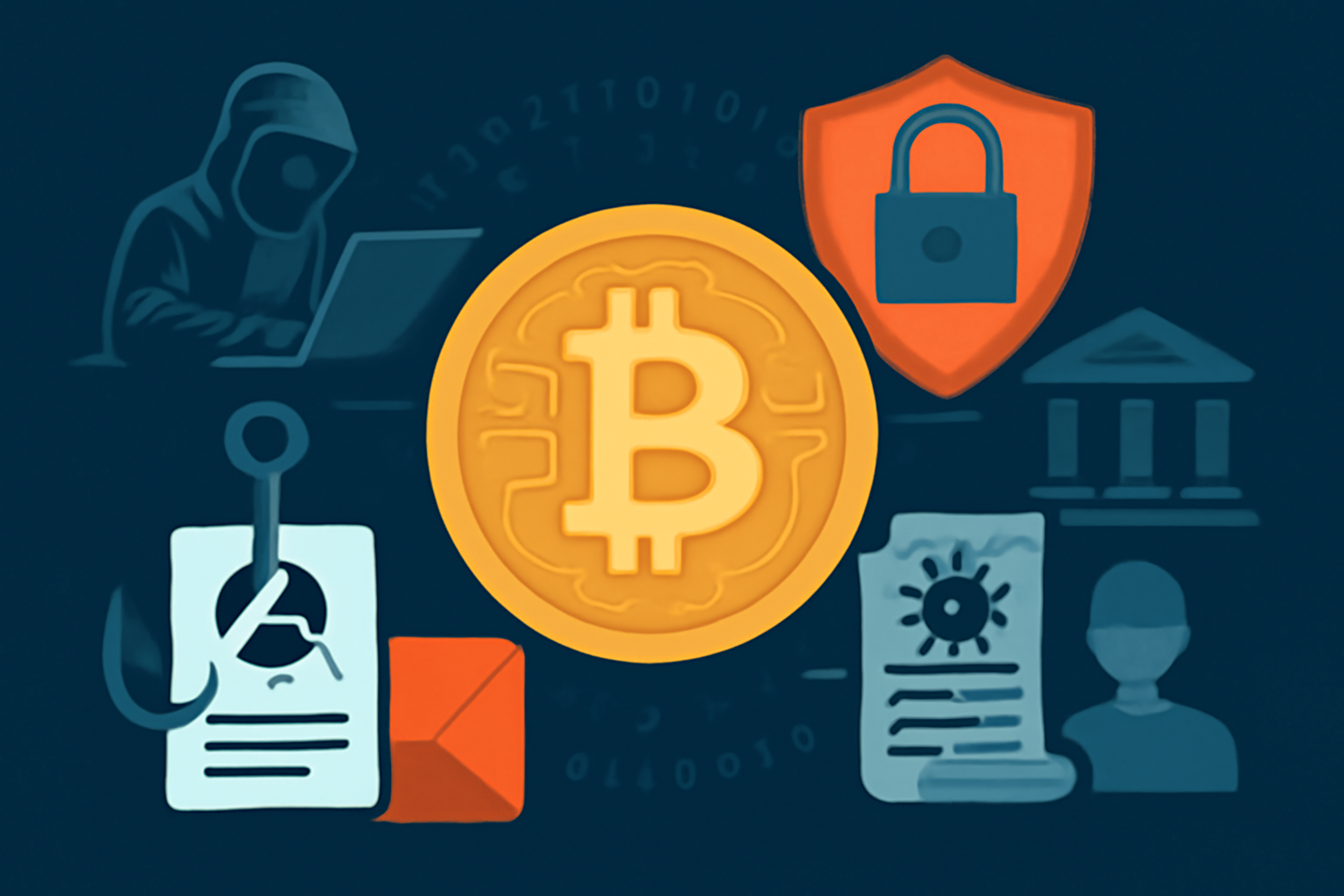
The world of cryptocurrency has experienced massive growth and attention over the past decade, captivating investors, developers, and financial institutions alike. With its decentralized nature and innovative technology, crypto has opened up new possibilities for secure digital transactions. However, as the market evolves, so do the risks and threats associated with it. While the blockchain itself is generally seen as a secure technology, the surrounding ecosystem is fraught with vulnerabilities. In this article, we will explore the key security threats facing the crypto world and provide a detailed understanding of the risks involved.
1. Hacking and Cyberattacks
One of the most common and significant risks in the crypto world is hacking. Crypto exchanges, wallets, and platforms are prime targets for cybercriminals. In 2021, hackers stole billions of dollars from crypto exchanges and decentralized finance (DeFi) protocols. These attacks often take advantage of weaknesses in the code, improper security measures, or vulnerabilities in the platforms that facilitate trading and holding digital assets.
For instance, exchange hacks such as the 2014 Mt. Gox breach, where over $450 million worth of Bitcoin was stolen, demonstrated how vulnerable centralized exchanges can be. Even with improvements in security protocols, hackers continue to develop more sophisticated methods of attack. Phishing, malware, and social engineering attacks are commonly used by criminals to access private keys or user credentials, leading to significant financial losses for individuals and companies.
2. Phishing and Social Engineering
Phishing remains one of the most pervasive threats in the crypto space. Cybercriminals use fraudulent emails, websites, and social media accounts to trick individuals into revealing their private keys or login credentials. Phishing attacks may look deceptively legitimate, appearing to come from trusted crypto exchanges or wallet providers, but they are designed to steal sensitive information.
A common phishing tactic involves a fake cryptocurrency exchange that mimics the interface of a legitimate one. Once an individual inputs their credentials, the attackers can gain access to the user’s account and steal their assets. Social engineering also plays a critical role in these attacks, where hackers impersonate trusted figures within the community to manipulate users into disclosing critical information.
3. Smart Contract Vulnerabilities
Smart contracts are self-executing contracts with the terms of the agreement directly written into code. While they enable the automation of transactions and reduce the need for intermediaries, they also introduce risks if not properly written or audited. Poorly written smart contracts can contain vulnerabilities that hackers exploit, leading to severe financial losses.
One of the most famous examples of this was the 2016 DAO hack, where a vulnerability in a smart contract resulted in the loss of $50 million worth of Ether. While the Ethereum network was able to recover by rolling back the blockchain, it highlighted the risks inherent in the use of smart contracts. To mitigate these risks, developers must rigorously audit smart contracts and follow best practices for coding and security testing.
4. Centralized Exchange Risks
Centralized exchanges (CEXs) are platforms where users can trade cryptocurrencies. While they offer convenience and high liquidity, they also pose significant risks. Unlike decentralized exchanges (DEXs), centralized exchanges store large amounts of user funds in custodial wallets, making them attractive targets for hackers.
The risk with centralized exchanges is that if the platform is compromised, all users’ funds can be lost or stolen. Moreover, exchanges may not always follow the best security practices, leading to vulnerabilities that could be exploited. Another issue is the potential for exchange shutdowns or fraudulent activity by the platform itself, as seen with the collapse of certain exchanges in the past. As a result, many crypto users are increasingly opting for decentralized solutions to minimize exposure to exchange risks.
5. Regulatory Uncertainty
The regulatory environment surrounding cryptocurrencies is still in a state of flux in many countries. While some nations have embraced crypto, others have imposed heavy regulations or outright bans. The uncertainty surrounding crypto regulations can create risks for investors and businesses operating in the space.
Without clear regulatory frameworks, crypto markets may face sudden policy shifts, which could lead to market instability or legal challenges. This creates uncertainty for businesses looking to build and scale in the crypto sector, and for individual investors who may find their investments subject to legal scrutiny or asset confiscation. The lack of consistent regulation can also lead to a rise in fraudulent schemes, as bad actors take advantage of gaps in oversight.
6. Privacy and Data Security
While cryptocurrencies like Bitcoin offer a degree of privacy, they are not entirely anonymous. Blockchain transactions are recorded on a public ledger, which means that, with the right tools and knowledge, individuals’ identities can potentially be traced. This presents a security risk, especially for users who wish to maintain anonymity or conduct transactions discreetly.
Additionally, crypto exchanges and platforms often collect personal information, such as identification documents and bank account details, as part of their Know Your Customer (KYC) and Anti-Money Laundering (AML) processes. If these platforms are breached or mismanage data, users’ personal information could be exposed to malicious actors.
Conclusion
While cryptocurrencies offer exciting opportunities for financial inclusion, transparency, and innovation, they also bring significant security risks. From hacking and phishing to vulnerabilities in smart contracts and regulatory uncertainty, there are many factors that users, developers, and investors must consider before engaging in the crypto space. Understanding these risks and taking the necessary precautions—such as using secure wallets, auditing smart contracts, and staying informed about regulatory changes—can help minimize potential threats and protect digital assets in this rapidly evolving ecosystem. As the industry matures, ongoing vigilance and innovation in security practices will be key to mitigating these risks and ensuring a safer crypto environment for all.