
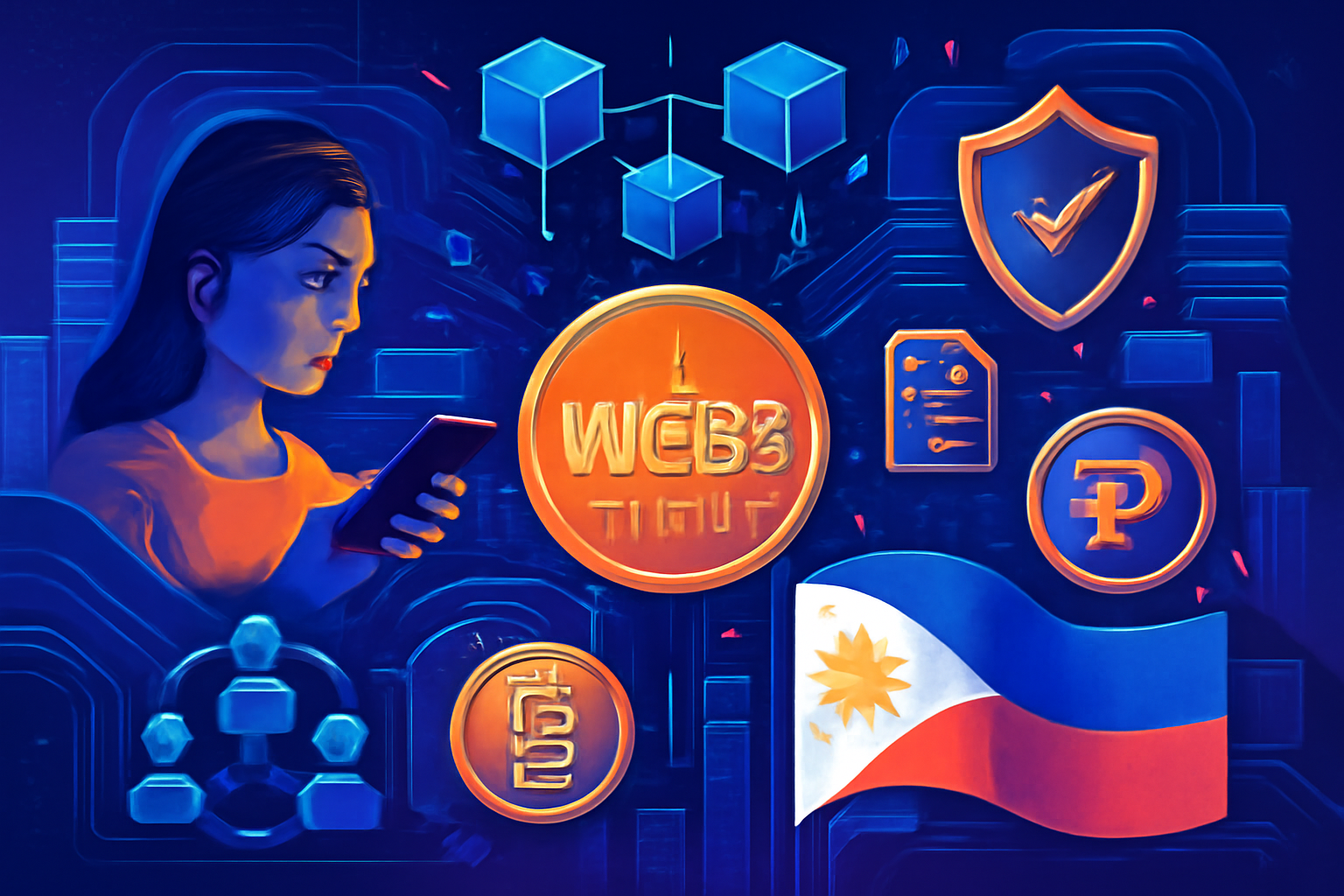
The digital economy of the Philippines has been growing rapidly in recent years, driven by technological advancements, an increase in internet penetration, and a tech-savvy population. One of the most transformative technological innovations poised to further shape the country’s digital economy is Web3. Web3 refers to the next generation of the internet, built on decentralized technologies such as blockchain, smart contracts, and decentralized finance (DeFi). This article explores how Web3 is enhancing the digital economy of the Philippines, focusing on its impact on businesses, innovation, and financial inclusion.
Web3 and the Shift Toward Decentralization
Web3 represents a major shift from the traditional web (Web2) in which central authorities like corporations control most online services and data. Instead, Web3 is powered by decentralized networks that allow users to own and control their own data. For a country like the Philippines, where digital infrastructure is still evolving, the decentralization offered by Web3 is a game-changer. It provides opportunities for people to participate in the digital economy without the need for intermediaries, giving rise to new business models and economic possibilities.
Boosting Financial Inclusion Through Decentralized Finance (DeFi)
One of the most significant contributions of Web3 to the Philippines’ digital economy is the enhancement of financial inclusion through decentralized finance (DeFi). According to the World Bank, over 70% of the Filipino population remains unbanked or underbanked. Web3, through DeFi platforms, offers a promising solution by providing access to financial services like lending, borrowing, and trading without relying on traditional banks.
DeFi protocols use smart contracts to automate financial transactions in a trustless, transparent manner, making it easier for Filipinos to engage in financial activities. This is particularly important for the underserved populations who do not have easy access to banking infrastructure. For instance, blockchain-based platforms like Aave and Compound can allow users to lend their cryptocurrency and earn interest, or access loans, with minimal paperwork. Filipinos in remote areas can bypass the need for traditional banks and gain access to a broader set of financial tools.
Moreover, with remittances being a key part of the Philippine economy, Web3 technology can streamline cross-border transactions. Blockchain-based remittance services offer lower fees and faster transactions, making it easier for overseas Filipino workers (OFWs) to send money back home.
Fostering Innovation and New Business Models
Web3 also plays a crucial role in fostering innovation and creating new business models in the Philippines. The rise of Non-Fungible Tokens (NFTs), Decentralized Autonomous Organizations (DAOs), and blockchain-based applications has opened up new avenues for entrepreneurs and startups. Filipino creators and artists have started to leverage NFTs to monetize their art and digital creations, allowing them to tap into a global market while maintaining control over their intellectual property.
Additionally, DAOs are revolutionizing governance and business structures by enabling decentralized decision-making. This can help Filipino entrepreneurs establish businesses that are more community-driven, transparent, and resilient. For example, Filipino businesses could adopt DAO structures to engage their customers more directly and involve them in important decisions, strengthening customer loyalty and community ties.
Enhancing Transparency and Fighting Corruption
One of the longstanding issues in the Philippines has been the lack of transparency and accountability in many sectors, including government services. Web3 technologies, particularly blockchain, have the potential to address these concerns by creating tamper-proof records and offering transparent systems. With blockchain, every transaction is recorded on a public ledger that is accessible to everyone, ensuring accountability.
The Philippine government could use blockchain to streamline public services, track government spending, and fight corruption. Moreover, decentralized identity solutions could give citizens greater control over their personal data, reducing identity theft and enhancing data privacy.
Web3’s Challenges and the Road Ahead
While Web3 offers immense potential for the Philippine digital economy, its adoption faces several challenges. The lack of regulatory clarity is one of the major hurdles that need to be addressed. The Philippines is still in the process of developing comprehensive regulations for blockchain technologies, cryptocurrencies, and DeFi platforms. A balanced regulatory framework is necessary to ensure that the Web3 ecosystem remains secure and compliant with existing laws.
Furthermore, there is a need for improved digital literacy to ensure that Filipinos can fully participate in the Web3 revolution. Educational programs focused on blockchain, cryptocurrency, and decentralized applications (dApps) will be crucial to preparing the workforce for future opportunities in the Web3 space.
Conclusion
Web3 technologies have the potential to play a transformative role in enhancing the digital economy of the Philippines. By promoting financial inclusion, fostering innovation, ensuring transparency, and empowering communities, Web3 offers solutions that could address some of the country’s most pressing economic challenges. However, for the Philippines to fully capitalize on Web3, it will require strong regulatory frameworks, investments in digital infrastructure, and efforts to educate the population about the opportunities and risks of decentralized technologies. With the right approach, the Philippines can leverage Web3 to build a more inclusive, transparent, and dynamic digital economy.