
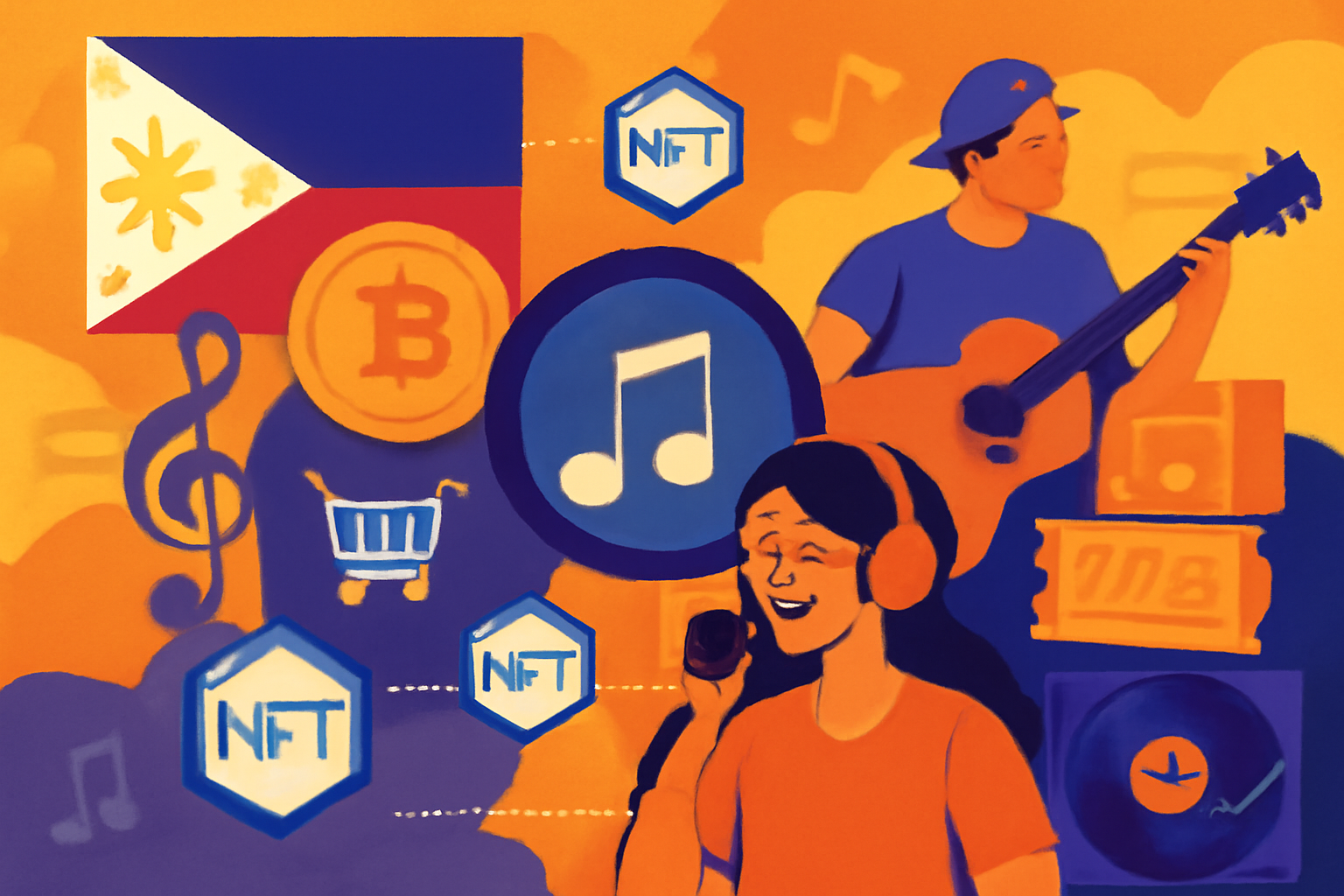
The Philippines has long been home to a vibrant music scene, with rich traditions spanning folk music, pop, rock, and hip-hop. However, as the world progresses into the digital age, the way music is consumed, created, and marketed is shifting rapidly. One of the most significant innovations in the music industry worldwide is the emergence of Non-Fungible Tokens (NFTs). In this article, we will explore how NFTs are changing the landscape of the Philippine music industry, focusing on new collaborations and marketing strategies that are reshaping the way artists connect with fans.
What are NFTs?
Non-Fungible Tokens (NFTs) are digital assets that represent ownership or proof of authenticity of a unique item using blockchain technology. Unlike cryptocurrencies such as Bitcoin or Ethereum, NFTs are indivisible and unique, making them ideal for representing digital art, music, and collectibles. In the context of music, NFTs enable artists to sell their work directly to fans without the need for traditional intermediaries like record labels or streaming platforms.
NFTs and the Philippine Music Scene: A New Frontier
In the Philippines, the rise of NFTs in the music industry has brought with it a wave of new opportunities for both artists and fans. Philippine musicians, who have traditionally relied on streaming platforms, concerts, and record sales for income, now have the opportunity to explore new revenue streams through NFTs.
Direct Artist-Fan Connections
One of the most exciting aspects of NFTs is the direct relationship it fosters between artists and their fans. Traditionally, the music industry has been dominated by record labels, streaming platforms, and other intermediaries that often take a significant portion of the revenue generated by an artist’s work. With NFTs, musicians can sell their music directly to their fans, keeping more of the profits.
For instance, in the Philippines, rising artists are increasingly turning to NFTs to sell limited edition digital albums, concert tickets, behind-the-scenes content, and exclusive merchandise. Fans, in turn, get the chance to own a piece of their favorite artist’s work, creating a sense of exclusivity and deeper connection.
Case Studies of Filipino Musicians Embracing NFTs
Several Filipino musicians have already begun embracing the NFT movement, leading the way for others in the industry to follow. A notable example is the Filipino pop group SB19, which released their music through NFTs, allowing their fans to purchase exclusive digital collectibles tied to their songs. This move not only opened up new income avenues for the group but also demonstrated the potential of NFTs to revolutionize music distribution in the Philippines.
Similarly, Filipino rapper and producer, Gloc-9, has begun to explore the use of NFTs in his music releases. By selling limited edition NFT albums, he is able to provide a unique experience for his fans while also breaking free from the traditional music distribution channels.
NFTs and the New Marketing Strategies
Beyond just offering a new way to distribute music, NFTs also provide fresh avenues for marketing. Music marketing has long relied on social media platforms and traditional advertising, but NFTs bring a new level of engagement and innovation.
NFT-Driven Fan Engagement
With NFTs, artists can create a sense of exclusivity, offering their fans unique experiences or collectibles that are only available through the purchase of an NFT. These exclusive digital items—such as limited edition tracks, virtual meet-and-greets, or VIP concert tickets—are not just about ownership; they also offer fans a chance to be part of something special and tangible.
For example, an artist in the Philippines could create an NFT that grants the holder access to a private virtual concert or early access to concert tickets. Such experiences deepen the relationship between the artist and fan, transforming the typical consumer relationship into a more active and participatory one.
Tokenizing Concerts and Merchandise
Another significant way NFTs are transforming the Philippine music industry is through the tokenization of live performances and merchandise. Musicians can offer their fans exclusive access to concert tickets through NFTs, providing them with a digital collectible that verifies their attendance and offers them perks like backstage access or meet-and-greets.
Moreover, NFTs are revolutionizing the way artists sell merchandise. By offering limited-edition digital merchandise or exclusive art tied to music albums, artists can sell directly to fans in a way that adds value to the items beyond just being physical products. These digital items can be bought, sold, and traded on blockchain marketplaces, further deepening the sense of community among fans.
Challenges and Future of NFTs in the Philippine Music Industry
Despite the immense potential of NFTs, there are several challenges that must be overcome for them to fully integrate into the Philippine music industry. First, the concept of NFTs and blockchain technology may still be unfamiliar to many artists and fans in the country. Educational initiatives will be necessary to help both musicians and their audiences understand how NFTs work and how they can benefit from them.
Additionally, the volatility of cryptocurrency markets poses a risk for those involved in NFT transactions. Artists and fans must be aware of the risks involved in dealing with cryptocurrencies, especially in a country like the Philippines, where digital asset regulation is still in its early stages.
The Road Ahead
As more artists, labels, and fans embrace NFTs, the Philippine music industry stands to benefit from this technological shift. NFTs provide a new way for artists to engage with their audience, create unique experiences, and generate new revenue streams. By integrating blockchain technology into the music ecosystem, the industry can become more transparent, equitable, and connected.
In conclusion, NFTs represent a significant turning point for the Philippine music industry. Through the innovative use of NFTs, artists can bypass traditional distribution methods, build stronger relationships with their fanbase, and tap into new marketing strategies. While there are challenges to overcome, the future looks bright for the growth and expansion of NFTs in the Philippine music scene.