
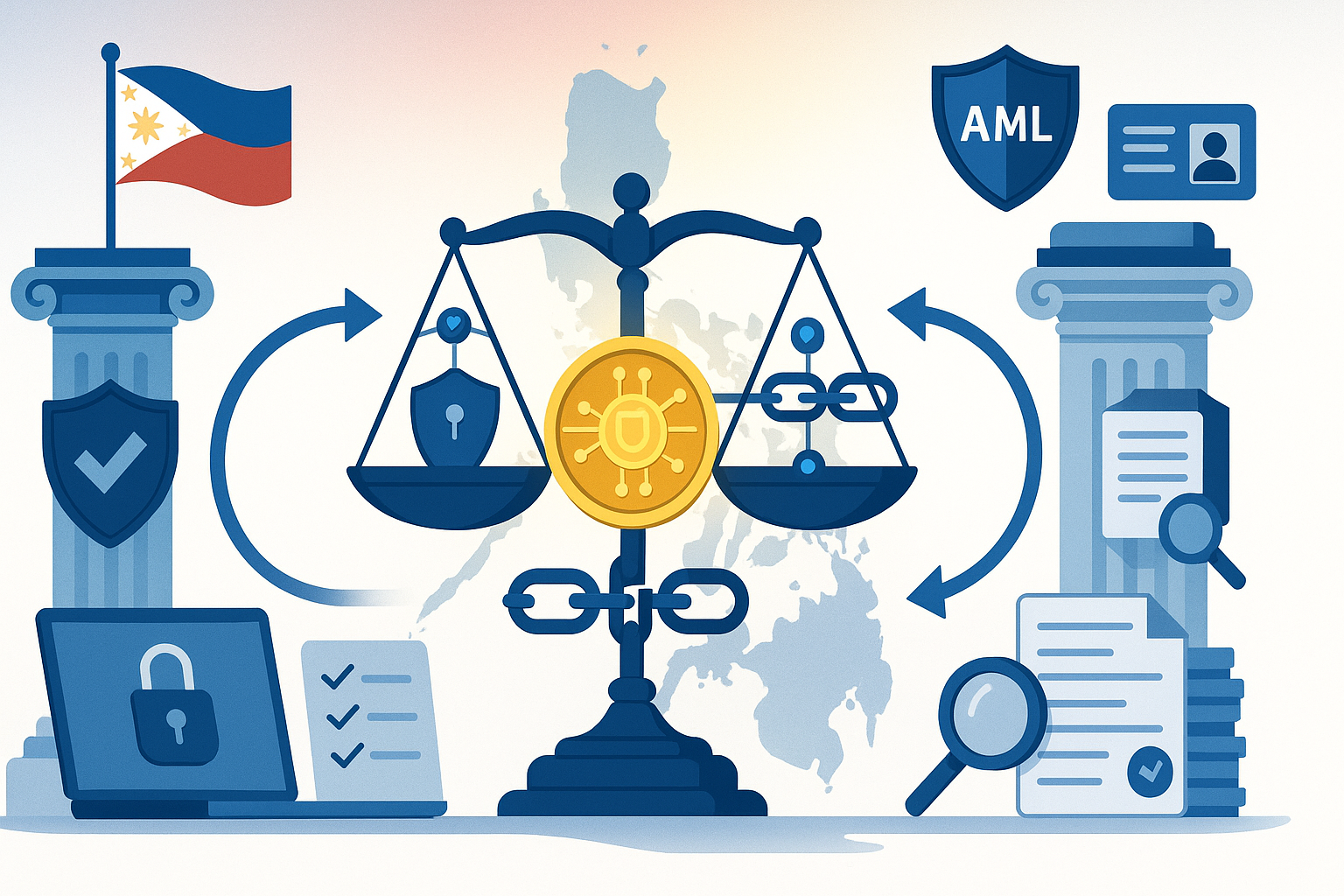
The Securities and Exchange Commission (SEC) of the Philippines approaches crypto and blockchain with a “same activity, same risk, same rules” mindset. Its core mandate under the Securities Regulation Code (SRC) is to protect investors and maintain fair, efficient markets. In practice, that means the SEC doesn’t regulate “blockchain” as a technology; it regulates financial activities built on top of it—especially when tokens function like securities or investment contracts. When a crypto offering looks, acts, and is marketed like an investment, the SEC’s rules apply.
What Falls Within the SEC’s Perimeter
The SEC’s perimeter is triggered mainly when a digital asset meets the definition of a “security,” which in Philippine law includes “investment contracts.” If an issuer raises funds from the public with a promise of profit derived from others’ efforts, the offer and sale must be registered with the SEC (or qualify for an exemption). That entails disclosures, prospectus-level filings, and ongoing reporting. Platforms facilitating trading of such tokens may need to register as broker-dealers, investment houses, or alternative trading systems, depending on their model. Anti-fraud provisions also apply, covering deceptive claims, price manipulation, and unregistered solicitation.
How the SEC Coordinates with Other Regulators
The Bangko Sentral ng Pilipinas (BSP) supervises Virtual Asset Service Providers (VASPs) for prudential and anti–money laundering purposes—covering exchange operations, custody, and fiat on/off-ramps. The SEC’s lens is capital markets and investor protection. The two agencies’ mandates are complementary: a platform might require BSP authorization to operate as a VASP and, if it lists security tokens, SEC registration or approval for the securities activity. Coordination commonly extends to the Anti-Money Laundering Council (AMLC) for KYC/AML compliance and to law-enforcement agencies for cross-border matters.
ICO/STO Oversight and Token Classification
The SEC has long scrutinized initial coin offerings (ICOs) and security token offerings (STOs). Issuers are expected to submit legal and technical analyses showing whether a token is a security and to register if it is. “Utility token” labels do not exempt a project if the economic reality points to an investment contract. Where tokens represent tokenized shares, debt, or fund interests, the SEC treats them as traditional securities in digital form. Marketing claims, lockups, reward structures, and managerial efforts are all relevant to classification.
Enforcement Tools and Investor Safeguards
The SEC regularly issues public advisories naming unregistered entities soliciting investments, orders unregistered offerings to cease and desist, and, where necessary, coordinates with other agencies to restrict local access to non-compliant platforms that target Philippine residents. Penalties can include administrative fines, criminal referrals, and disgorgement. The Financial Products and Services Consumer Protection Act strengthens the SEC’s authority to address unfair, abusive, or fraudulent practices, mandate restitution, and require clearer disclosures. Education campaigns teach retail users to spot red flags such as guaranteed returns, referral pyramids, or opaque tokenomics.
Innovation, Sandboxes, and Tech-Neutral Policy
Policy remains technology-neutral: the SEC supports responsible innovation so long as investor protections are preserved. Fintech liaison functions and sandbox-style engagements allow projects to test limited-scope pilots under supervision, aligning controls (governance, custody, cybersecurity, and conflict management) with the risks posed. Tokenization pilots are assessed on custody arrangements, smart contract auditability, and contingency planning, including incident response and key management.
Cross-Border and Special Jurisdictions
Crypto is borderless, so the SEC leans on international cooperation (e.g., IOSCO principles and information-sharing MoUs) to address offshore offerings aimed at Filipinos. Licenses from special economic zones or foreign jurisdictions do not grant permission to solicit investments from the Philippine public. Entities must comply with Philippine securities laws when marketing locally, regardless of where servers or corporate registration sit.
What Compliant Projects Should Prepare
Projects targeting the Philippine market should plan for: (1) a rigorous token classification memo; (2) registration or exemption analysis under the SRC; (3) alignment with BSP VASP rules if they handle exchange/custody; (4) AML/KYC frameworks; (5) transparent, plain-English disclosures; and (6) strong operational risk controls. A proactive engagement with regulators and credible third-party audits can materially de-risk launch plans and build investor trust.