
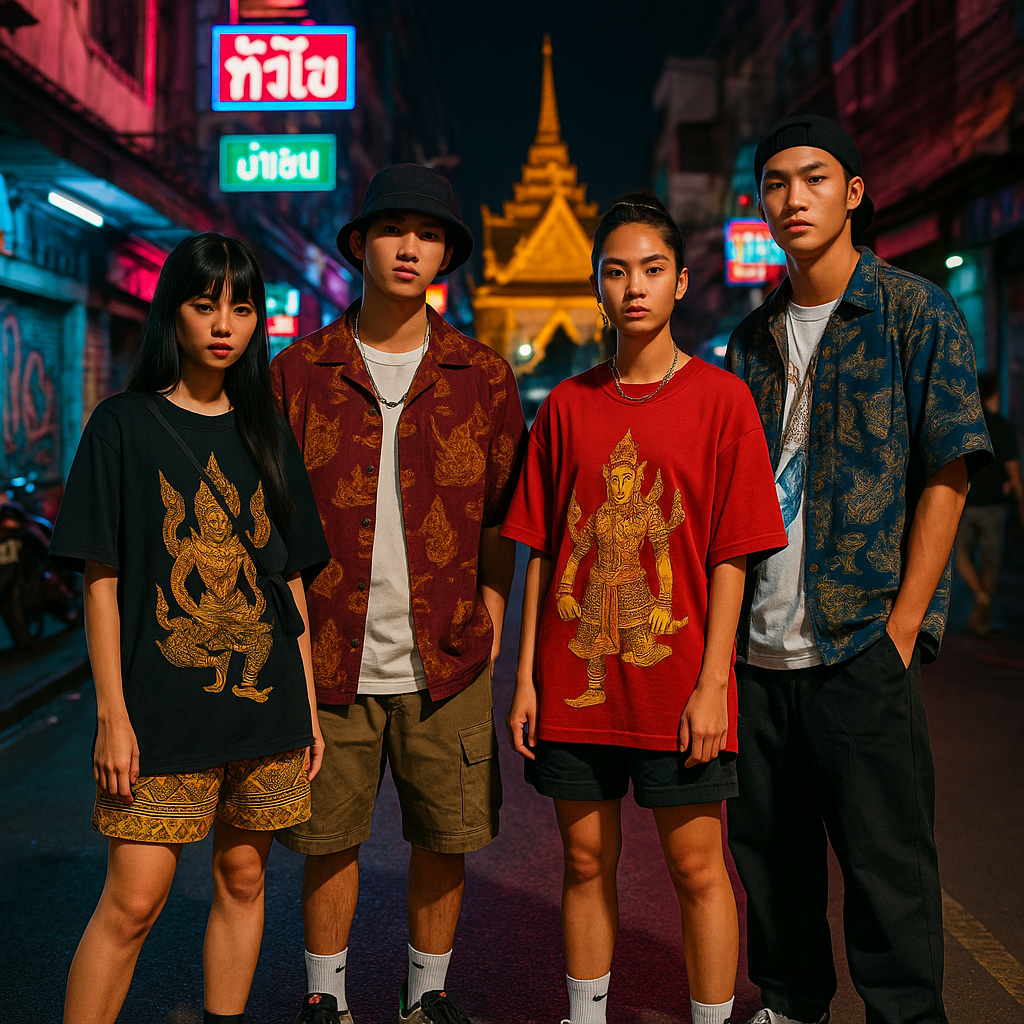
Streetwear has become a powerful force in the global fashion landscape, and Thailand is no exception. Over the past decade, streetwear in Thailand has evolved from a niche style into a mainstream cultural phenomenon. This transformation has been heavily influenced by local influencers, global trends, and the unique blend of traditional Thai culture with modern urban aesthetics. In this article, we will delve into the factors driving the rise of streetwear in Thailand, examining the role of influencers and local fashion in shaping the trends that are defining the country’s street style scene.
The Rise of Streetwear in Thailand
Streetwear first emerged as a subculture in the United States, rooted in skateboarding, hip-hop, and urban youth culture. By the late 2000s and early 2010s, the style began to spread internationally, reaching places like Japan, South Korea, and eventually Thailand. Thai streetwear, however, quickly took on its own identity by integrating local cultural elements, including Thai art, history, and traditions, into its fashion expressions.
The influence of global fashion trends is evident in Thailand, with local designers and brands regularly drawing inspiration from Western streetwear powerhouses such as Supreme, Off-White, and A Bathing Ape (BAPE). However, what sets Thailand apart is the way local streetwear labels blend these global influences with elements of Thai heritage—be it through traditional Thai patterns, references to local pop culture, or collaborations with local artists.
The Role of Influencers in Shaping Trends
In Thailand, the streetwear movement has been significantly propelled by social media influencers and celebrities. These influencers have become key figures in shaping what’s considered “cool” and “stylish” in Thailand’s youth culture. Social media platforms like Instagram, TikTok, and Facebook are central to how streetwear trends spread, with influencers showcasing their outfits, lifestyle, and collaborations with brands.
One of the most notable figures in the Thai streetwear scene is Mick J, a well-known fashion influencer who blends streetwear aesthetics with high fashion. Mick J’s Instagram, which boasts hundreds of thousands of followers, is a popular destination for streetwear enthusiasts looking for inspiration. By mixing local Thai fashion with global streetwear, Mick J and other influencers have successfully created a crossover style that resonates with both Thai youth and international audiences.
Moreover, influencers collaborate frequently with streetwear brands, helping these labels gain exposure. These collaborations often result in limited edition releases, which create a sense of exclusivity and hype among fans. Influencers like Jellythecat, PeeCh (Peach Vacharawich), and DJ-Of-Kloud also play a pivotal role in amplifying streetwear trends, giving them credibility and visibility in the highly competitive fashion market.
Local Fashion Labels and Thai Identity
As streetwear continues to thrive, local Thai brands have become increasingly important in defining the scene. Thai streetwear designers have recognized that while global trends are influential, there is a desire for authenticity and individuality among Thai consumers. Local labels like SBC (Siam Brand Collectiv), Phuket-based brand The North’s End, and Dapper have been critical in blending contemporary street style with distinctly Thai cultural references.
For instance, SBC’s collections often feature prints and designs inspired by Thai iconography, such as the famous Thai elephant or golden temples. Similarly, The North’s End draws inspiration from the natural beauty of Phuket, incorporating elements of the island’s lifestyle and landscapes into its streetwear designs. These local touches not only cater to national pride but also help differentiate Thai streetwear from Western streetwear, allowing it to flourish with a unique voice.
Another significant trend in Thailand’s streetwear scene is the rise of upcycled and sustainable fashion. Many local Thai designers are adopting eco-friendly practices, using repurposed materials to create new, innovative pieces. This reflects a global movement within streetwear culture towards sustainability, but with a local twist. It’s not only about creating unique, one-of-a-kind pieces but also staying true to the Thai value of environmental respect, which is rooted in Buddhist teachings.
The Future of Streetwear in Thailand
Looking ahead, the streetwear scene in Thailand is likely to continue growing and evolving, with a strong emphasis on the blending of local culture and international style. The role of influencers will remain crucial in driving trends, especially as the younger generations in Thailand become more fashion-forward and tech-savvy. Brands that can successfully merge global streetwear aesthetics with local elements will have a significant advantage in capturing the attention of Thai consumers.
Moreover, as Thai designers gain recognition on the international stage, we can expect to see more Thai streetwear brands making their mark globally. The rise of local fashion weeks and collaborations with international designers and influencers will likely further boost the international appeal of Thai streetwear.
Ultimately, streetwear in Thailand is not just about fashion; it is a lifestyle and cultural expression. It reflects the dynamism and creativity of the youth culture, influenced by both global trends and local traditions. As influencers, designers, and brands continue to shape the landscape, Thai streetwear will remain an exciting and evolving part of the global fashion scene.