
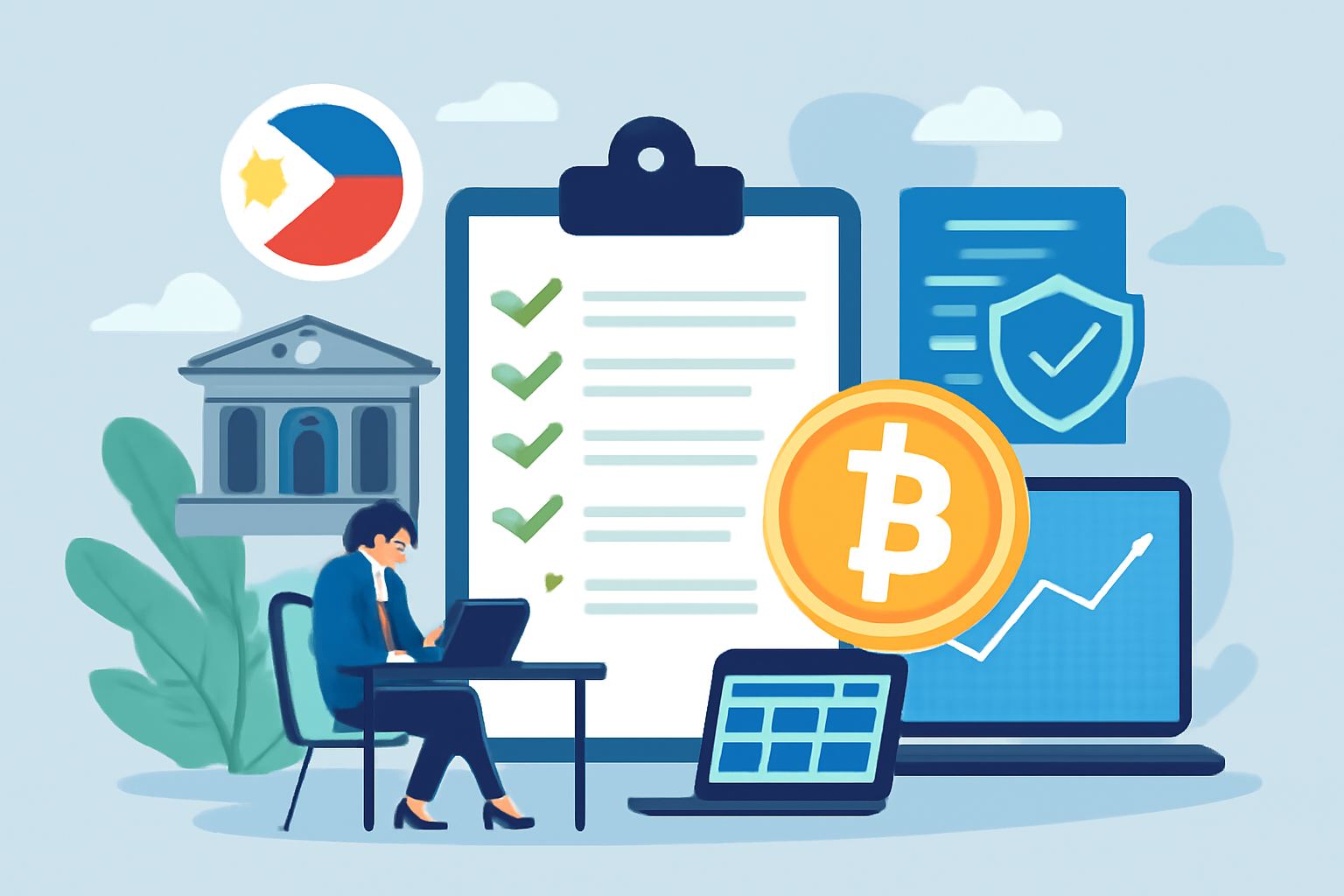
In recent years, the Philippines has emerged as a significant hub for cryptocurrency exchanges in Southeast Asia. With its growing interest in digital assets and blockchain technology, the country has taken steps to regulate the cryptocurrency industry while fostering innovation. For anyone looking to establish a cryptocurrency exchange in the Philippines, it is essential to understand the regulatory framework, the process of registration, and the licensing requirements that must be met to operate legally.
Regulatory Bodies Governing Cryptocurrency in the Philippines
The primary regulatory body overseeing the cryptocurrency industry in the Philippines is the Bangko Sentral ng Pilipinas (BSP), the country’s central bank. BSP plays a crucial role in ensuring the safety, security, and stability of the financial system, including digital assets. Since 2017, BSP has regulated virtual asset service providers (VASPs), which include cryptocurrency exchanges, digital wallet providers, and other entities involved in cryptocurrency trading.
In addition to BSP, other government agencies, such as the Securities and Exchange Commission (SEC) and the Anti-Money Laundering Council (AMLC), also play vital roles in ensuring that cryptocurrency activities in the Philippines adhere to relevant laws, particularly those related to anti-money laundering (AML) and combating the financing of terrorism (CFT).
Key Steps in the Registration Process for Crypto Exchanges
To start a cryptocurrency exchange in the Philippines, several steps must be followed to ensure compliance with both regulatory requirements and financial laws.
- Business Registration
The first step in establishing a cryptocurrency exchange is to register your business with the Securities and Exchange Commission (SEC). The registration process involves providing all necessary documents about the business entity, such as the company’s articles of incorporation, bylaws, and financial information. The company must also have a designated legal address in the Philippines. - BSP Registration
Once the business is registered with the SEC, the next step is to apply for a license with the Bangko Sentral ng Pilipinas. As of 2020, all virtual asset service providers, including cryptocurrency exchanges, must be registered with BSP under the Circular No. 1108. This ensures that these businesses comply with financial regulations, including those related to anti-money laundering and client identification procedures. The application to BSP for registration includes submitting the following documents:- A comprehensive business plan outlining the business model, target market, and technical aspects of the platform.
- Details of the company’s management structure, including key personnel and their qualifications.
- A risk management framework that aligns with BSP’s requirements.
- Financial statements that demonstrate the financial health of the business.
- AML Compliance and Anti-Terrorism Financing Requirements
Cryptocurrency exchanges in the Philippines must adhere to strict AML and CFT guidelines. These measures include implementing Know Your Customer (KYC) procedures for users, monitoring suspicious transactions, and reporting such activities to the Anti-Money Laundering Council (AMLC). Part of the application process to BSP involves demonstrating a robust compliance program that includes KYC protocols and measures to prevent money laundering and terrorism financing. - Approval and Licensing
Once the application is reviewed, BSP will conduct a thorough evaluation to determine whether the exchange meets the necessary standards for operation. If the business satisfies all requirements, BSP will grant the license to operate as a Virtual Asset Service Provider (VASP). It is important to note that operating a crypto exchange without a BSP license is illegal in the Philippines, and unlicensed businesses can face heavy penalties, including fines and closure.
Ongoing Compliance and Reporting Obligations
After obtaining the license, cryptocurrency exchanges must comply with ongoing regulatory requirements. This includes filing regular reports with BSP regarding their operations, maintaining proper records, and undergoing audits. BSP also monitors the activities of licensed exchanges to ensure that they continue to meet the necessary security and compliance standards. The exchange must report any suspicious or unusual transactions to the AMLC and take appropriate measures to protect their customers and the broader financial system.
Exchanges are also required to maintain capital adequacy standards, meaning they must have sufficient funds to cover any potential liabilities. This helps ensure the exchange’s ability to return customer funds in case of any operational issues.
Licensing Fees and Capital Requirements
When registering a cryptocurrency exchange in the Philippines, there are certain fees and capital requirements that applicants must be aware of. For instance, the BSP charges a licensing fee, which varies depending on the nature and size of the exchange. Exchanges are also required to meet specific minimum capital requirements to demonstrate their financial stability and ability to operate within the regulatory framework. These capital reserves must be maintained at all times to ensure that the exchange can cover any liabilities.
Other Considerations
Aside from regulatory and licensing requirements, crypto exchanges in the Philippines must also consider issues related to consumer protection, security, and taxation. The government imposes taxes on cryptocurrency-related businesses, and exchanges must ensure they comply with tax laws and provide accurate reporting on profits and transactions. Security is another critical consideration, as crypto exchanges are often targeted by cybercriminals. Implementing strong security measures such as two-factor authentication, encryption, and cold storage of assets is essential for maintaining user trust.
In summary, starting and operating a cryptocurrency exchange in the Philippines requires a thorough understanding of the regulatory framework, including the necessary licenses, compliance measures, and security protocols. By following the steps outlined by regulatory bodies like BSP, SEC, and AMLC, businesses can operate legally and securely, contributing to the growing digital asset ecosystem in the country.