
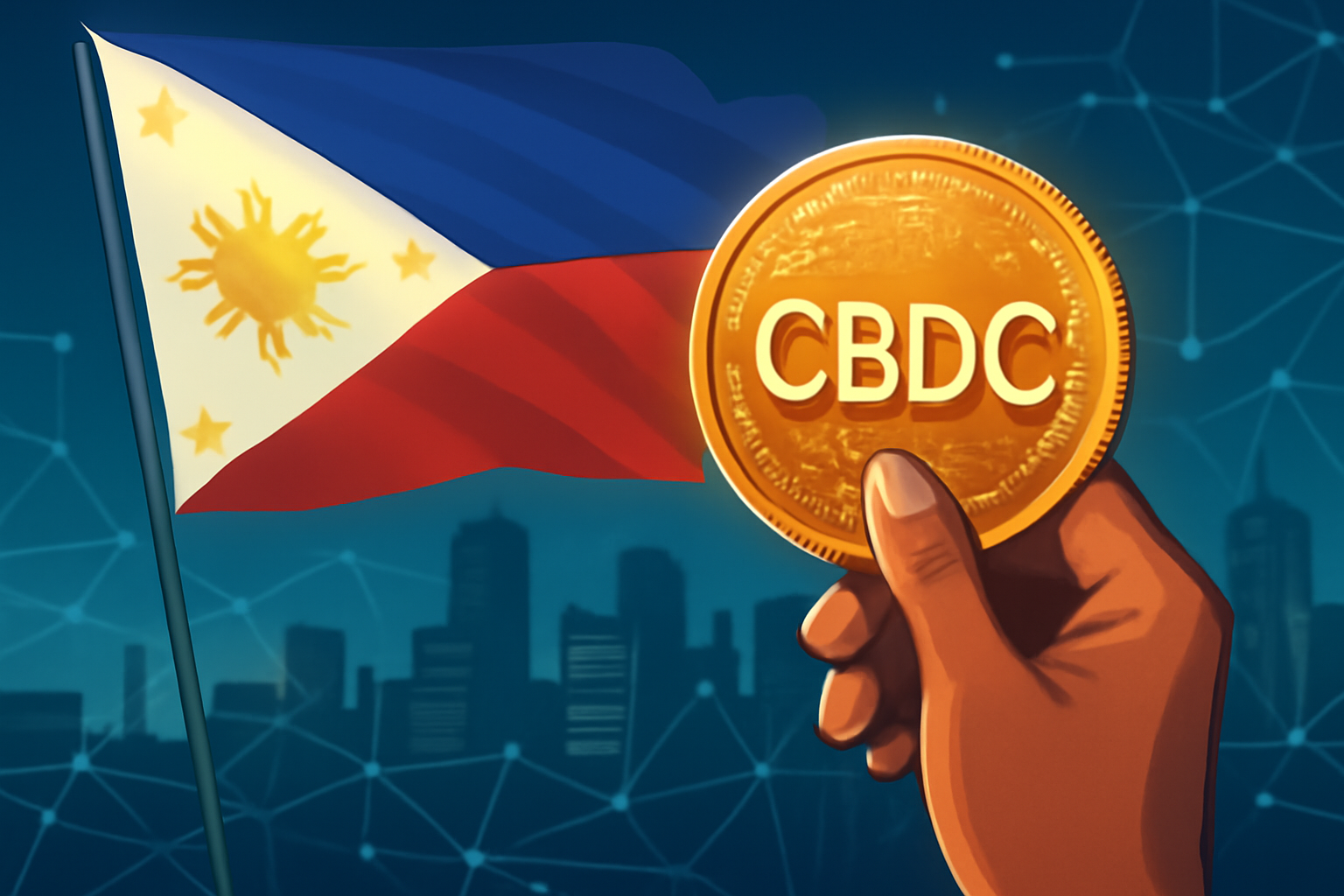
The Philippines, a rapidly developing nation in Southeast Asia, is preparing for a digital transformation in the financial sector with the planned issuance of a Central Bank Digital Currency (CBDC). This initiative is part of the country’s broader efforts to modernize its financial system, enhance financial inclusion, and improve economic resilience. This article will explore the motivations behind the Philippines’ decision to issue a CBDC, the expected benefits, potential challenges, and the broader implications for the economy.
What is a Central Bank Digital Currency (CBDC)?
A Central Bank Digital Currency (CBDC) is a form of digital money issued and backed by a country’s central bank. Unlike cryptocurrencies such as Bitcoin, CBDCs are government-sanctioned and represent a digital form of the country’s fiat currency. These digital currencies aim to enhance the efficiency of monetary systems, improve financial inclusion, and provide a more secure, regulated alternative to private digital payment systems.
CBDCs can be categorized into two primary types: wholesale CBDCs and retail CBDCs. Wholesale CBDCs are used by financial institutions for interbank transactions, while retail CBDCs are accessible to the general public, allowing individuals and businesses to hold and transact using a central bank-issued digital currency.
The Motivation Behind the Philippines’ CBDC Plans
The Bangko Sentral ng Pilipinas (BSP), the central bank of the Philippines, has been exploring the possibility of issuing a CBDC for several years. The primary motivation behind this initiative is to improve the efficiency and accessibility of the country’s payment systems.
- Financial Inclusion: Despite significant progress, financial inclusion remains a challenge in the Philippines. According to the World Bank, about 70% of the population is unbanked or underbanked, especially in rural and remote areas. By launching a CBDC, the BSP hopes to provide a secure and easy-to-use digital payment system that can be accessed by the unbanked population, thereby promoting financial inclusion.
- Boosting Payment Systems: The Philippines’ payment infrastructure has traditionally been fragmented, with many people relying on cash transactions or informal payment systems. By digitizing the currency and introducing a CBDC, the government aims to streamline the payment process, making it faster, cheaper, and more transparent.
- Enhancing Monetary Policy and Financial Stability: A CBDC could give the BSP more direct control over the money supply and the ability to monitor transactions in real time. This increased oversight could enhance the central bank’s ability to implement more effective monetary policies and respond to financial instability more promptly.
- Competition with Cryptocurrencies and Stablecoins: Cryptocurrencies and stablecoins are gaining popularity worldwide, and the Philippines is no exception. In response, the government sees the CBDC as a way to provide a trusted, regulated alternative to decentralized digital assets like Bitcoin, which are subject to price volatility and regulatory uncertainties.
The Benefits of a CBDC in the Philippines
- Increased Financial Inclusion: One of the most significant advantages of a CBDC is its potential to provide financial services to the unbanked. In a country where a substantial portion of the population lacks access to traditional banking, a digital currency can be an effective tool to ensure that everyone has the opportunity to participate in the formal financial system.
- Improved Payment Efficiency: The digital nature of a CBDC can simplify payment processes, reducing the cost and time associated with traditional banking transactions. With lower fees, faster transaction times, and greater transparency, the Philippine economy could see enhanced efficiency in trade and business operations.
- Strengthened Economic Monitoring: CBDCs could allow for real-time monitoring of economic activities. The ability to trace digital transactions could help the BSP gain valuable insights into consumer spending patterns and trends, which would be critical for making informed decisions on monetary policy.
- A Secure Alternative to Cash: Cash transactions can be risky, especially in a country prone to natural disasters, where physical currency can be lost or destroyed. A CBDC would offer a secure, digital alternative that could be more resilient in the face of such challenges.
Challenges and Considerations
While the Philippines’ CBDC plan holds great promise, there are several challenges and considerations that must be addressed before the full rollout of a digital currency.
- Digital Infrastructure and Accessibility: A key barrier to the successful implementation of a CBDC is the need for robust digital infrastructure. While mobile phone penetration in the Philippines is high, internet access remains inconsistent, particularly in rural areas. Ensuring that all Filipinos, including those in remote regions, have access to the digital tools required to use a CBDC will be essential.
- Cybersecurity Risks: As with any digital currency, there are inherent cybersecurity risks. The central bank would need to ensure that the CBDC is resistant to hacking, fraud, and other forms of cybercrime. Given the increasing prevalence of digital scams and data breaches, robust security measures will be crucial.
- Privacy Concerns: The introduction of a CBDC would likely require the collection of personal transaction data, raising concerns about privacy. The Philippines must strike a balance between ensuring the privacy of its citizens and allowing authorities to monitor transactions to prevent illegal activities, such as money laundering and terrorism financing.
- Regulatory and Legal Framework: Implementing a CBDC would require the creation of a comprehensive regulatory and legal framework. This framework would need to address issues related to the security, use, and taxation of digital currency, as well as its integration into existing financial systems.
Conclusion
The Philippines’ plan to introduce a Central Bank Digital Currency (CBDC) represents an ambitious step toward modernizing its financial system and promoting economic inclusion. The digital currency has the potential to enhance the efficiency, security, and accessibility of payments, which would benefit individuals and businesses alike. However, the success of the initiative depends on overcoming significant challenges, including improving digital infrastructure, ensuring cybersecurity, and addressing privacy concerns. As the BSP continues to explore the issuance of a CBDC, the country’s experience will provide valuable insights for other nations considering similar initiatives.