
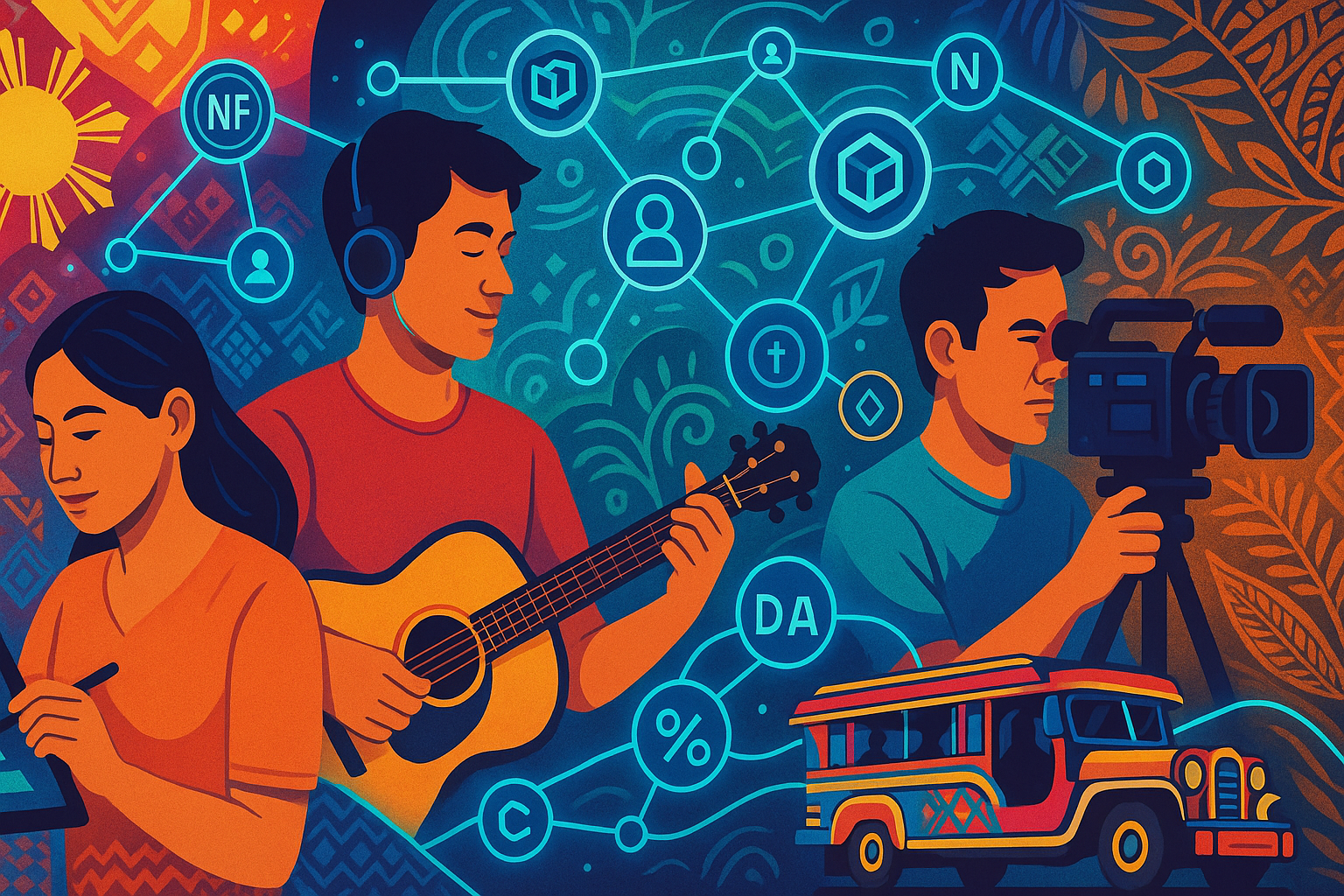
In the Philippines, NFTs and Web3 have opened fresh pathways for artists, musicians, filmmakers, and fans to collaborate, monetize, and organize in ways that were previously out of reach. Rather than treating NFTs as mere collectibles, Filipino creators are exploring them as programmable media, membership keys, and funding rails—tools that reshape how culture is produced and owned.
A defining thread in the local story is community. The Philippines’ deep social media culture and strong diaspora networks naturally support Web3 experiments. Online-first communities can rally around a creator’s drop, fund a project through token-gated tiers, or use DAOs (decentralized autonomous organizations) to commission new work. This dynamic was foreshadowed by the country’s early, highly visible participation in play-to-earn gaming—most notably Axie Infinity—where communities formed around shared incentives and digital ownership. Lessons from that wave have since been repurposed for the arts: wallet onboarding, peer support, and transparent reward splits are now common features of Filipino Web3 creative circles.
In visual art, NFTs have become more than static images. Filipino artists are using smart contracts to embed creative rights and revenue splits, enabling ongoing royalties and fairer collaboration with developers, curators, or sound designers. This is particularly powerful for cross-disciplinary projects—say, a motion artist pairing with a composer, or a photographer working with a coder to create dynamic, time-reactive pieces. Because the blockchain records provenance, Filipino artists with growing global audiences can prove authorship and establish historical records, which helps in markets where IP enforcement has been uneven.
Music and entertainment have followed suit. Web3 lets independent musicians tokenize limited-edition tracks, offer fan passes that unlock private listening parties or behind-the-scenes content, and share streaming revenues via on-chain splits. For indie filmmakers, NFTs can function as crowdfunding instruments and community passes for production updates, early screenings, and credits. These models create a tighter loop between creators and fans: buyers aren’t only supporting the work—they receive verifiable participation and perks that can evolve over time.
The infrastructure has also matured. Since Ethereum’s transition to proof-of-stake, energy concerns associated with NFTs have diminished significantly, and alternative chains with low fees have enabled micro-patronage—important in a country where cost barriers matter. Wallet UX is still a hurdle, but Filipino communities often address it through education hubs, Discord “concierge” roles, and local workshops that demystify seed phrases, scams, and best practices.
Regulation is evolving. Philippine authorities have issued guidance around digital assets, emphasizing consumer protection and compliance. For creators, this underscores the importance of working with platforms that handle KYC, tax documentation, and clear terms of sale. Thoughtful compliance can actually expand opportunities: brands and entertainment companies are more likely to collaborate when rights, revenue flows, and licensing are explicit and auditable.
Culturally, Web3 meshes with themes long present in Filipino creativity: remix culture, collective effort (bayanihan), and diaspora storytelling. NFTs act as portable containers for identity and memory—perfect for archiving regional forms (weaving patterns, folk narratives, indigenous motifs) in ways that credit origin communities and route revenue back to them. This requires careful, consent-first design and culturally sensitive profit-sharing, but when done right, it can uplift heritage while inviting global participation.
The road ahead is practical and experimental at once. Expect more token-gated festivals and gallery pop-ups; interoperable collectibles that unlock benefits across partner venues; and IP frameworks that let fans co-create while protecting core rights. The long-term value won’t be speculative hype but durable networks—artists, fans, and producers linked by transparent contracts and shared ownership. In that sense, the Philippine Web3 scene isn’t just minting assets; it’s minting new ways to make culture together.