
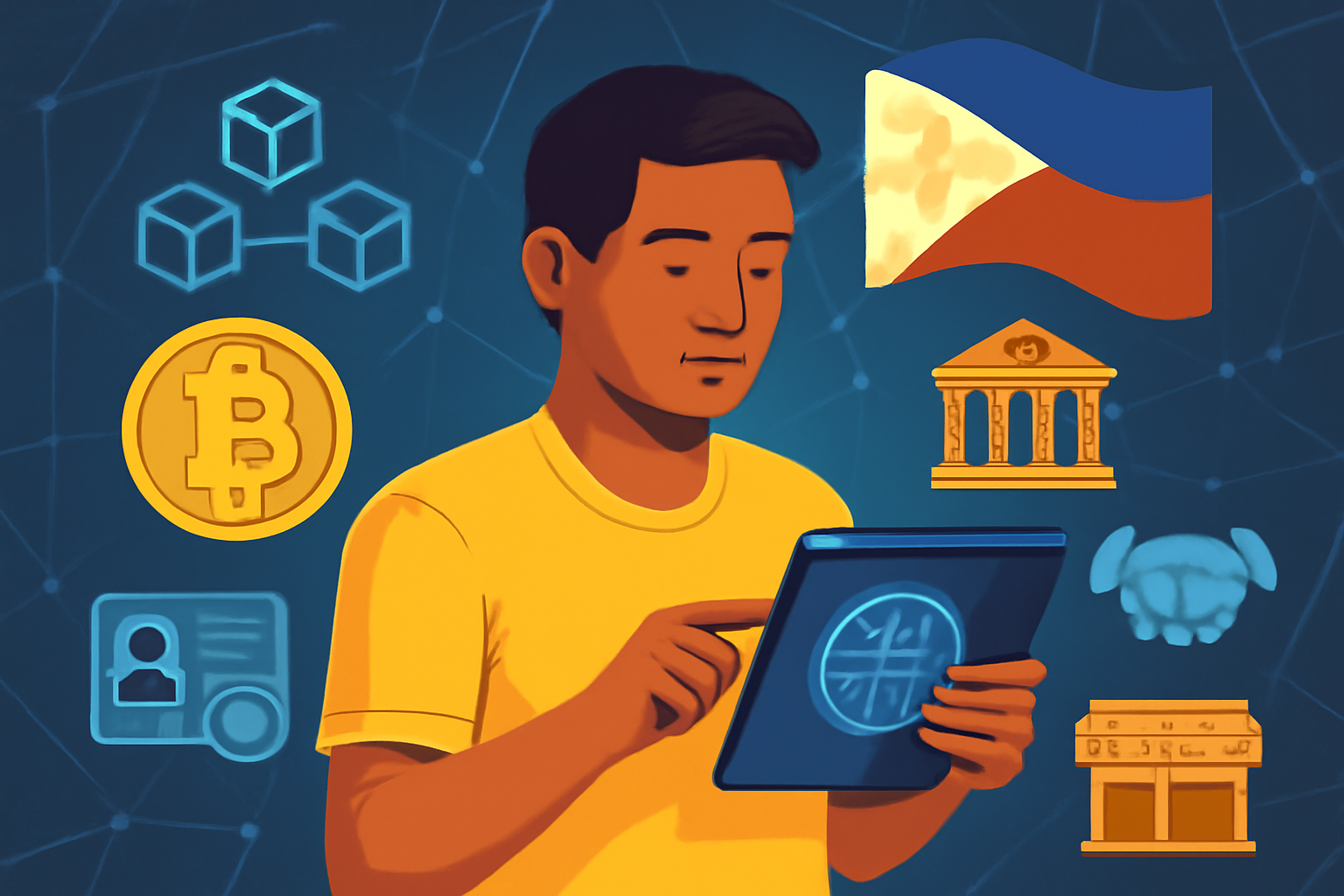
In recent years, the emergence of Web3 technology has sparked widespread interest globally, particularly in emerging markets like the Philippines. As a nation known for its robust digital transformation, the Philippines is on the brink of leveraging Web3 to create a more inclusive, decentralized, and autonomous digital economy. Web3, often associated with blockchain, cryptocurrencies, and decentralized applications (dApps), is poised to reshape how Filipinos interact with the internet, opening new opportunities for digital independence. This article explores how Web3 technology can drive digital autonomy in the Philippines, focusing on aspects such as financial inclusion, data privacy, decentralized governance, and access to global markets.
1. Web3 and Financial Inclusion in the Philippines
One of the most significant ways that Web3 can contribute to digital independence in the Philippines is through its potential to address financial exclusion. According to the World Bank, over 70% of the population in the Philippines is unbanked, meaning that a large portion of Filipinos do not have access to traditional financial services like savings accounts, loans, and credit. This exclusion often limits their economic opportunities, preventing them from participating fully in the modern economy.
Web3 technologies, particularly decentralized finance (DeFi), offer a solution. DeFi platforms allow individuals to access financial services without relying on centralized institutions like banks. With just a smartphone and an internet connection, Filipinos can engage in lending, borrowing, earning interest, and exchanging assets globally. Cryptocurrencies, as a key feature of DeFi, provide a borderless, digital form of currency that can be easily transferred without the need for intermediaries. This eliminates the high fees and accessibility barriers typically associated with traditional banking, offering greater financial sovereignty to individuals across the country.
2. Empowering Digital Identity and Data Privacy
In a world where data is becoming one of the most valuable commodities, Web3 offers a powerful solution for individuals to regain control over their personal information. Traditional internet services often operate through centralized platforms, which collect, store, and monetize user data without giving users meaningful control over how their data is used. This creates concerns over privacy, data misuse, and even identity theft.
With Web3, however, individuals can own and control their digital identities through blockchain technology. Blockchain’s immutable nature ensures that once information is stored, it cannot be altered or erased without the user’s consent. For Filipinos, this could mean greater protection against data breaches, identity theft, and unwanted surveillance. Platforms built on Web3 principles allow users to selectively share their data, preserving their privacy while still engaging in online activities. Furthermore, the use of decentralized identifiers (DIDs) provides an opportunity for Filipinos to create a secure and verifiable online identity, enabling them to participate in digital ecosystems without the fear of being exploited or misrepresented.
3. Decentralized Governance and Political Empowerment
Web3 is not only transforming the economic landscape; it also has the potential to reshape governance structures. In the Philippines, where political transparency and corruption are ongoing challenges, decentralized governance models could offer a new way for citizens to engage directly with political processes and decision-making.
Blockchain’s transparent and immutable ledger makes it possible to create decentralized autonomous organizations (DAOs) that allow for community-driven decision-making. DAOs can function as a platform for Filipinos to participate in various initiatives, from local government programs to national policies. These decentralized governance systems ensure that power is distributed among participants rather than being concentrated in a few central authorities. For example, citizens can vote on issues, fund public projects, or even manage local resources without intermediaries. This level of transparency and inclusivity could help combat corruption, ensure fairer political processes, and provide more opportunities for Filipinos to actively shape their communities and governance.
4. Access to Global Markets and Opportunities
The Philippines is an archipelago, which often limits access to markets and services that are concentrated in metropolitan areas. Web3 offers Filipinos the chance to break down geographical and logistical barriers by providing decentralized access to global markets and opportunities. The rise of non-fungible tokens (NFTs), for instance, allows Filipino artists and creators to showcase their work to a worldwide audience, potentially earning a living from their creativity without relying on traditional gatekeepers like galleries or auction houses.
Similarly, Web3 technologies allow small businesses and entrepreneurs to access international markets without the need for intermediaries, traditional banking infrastructure, or expensive transaction fees. Whether it’s selling digital goods, offering services, or participating in online marketplaces, Filipinos can leverage blockchain and Web3 platforms to globalize their businesses, making it easier to compete in the global economy.
5. The Road Ahead: Challenges and Opportunities
While Web3 offers immense potential for empowering digital independence in the Philippines, there are challenges to overcome. Access to reliable internet connectivity remains an issue in rural areas, and many Filipinos still lack the necessary digital literacy to fully engage with blockchain-based services. Moreover, regulatory clarity is essential to ensure that the adoption of Web3 technologies is both secure and sustainable. The Philippine government will need to establish a clear regulatory framework that supports innovation while safeguarding consumers.
However, the benefits of Web3 cannot be ignored. As the global digital economy continues to evolve, the Philippines has the opportunity to position itself as a leader in Web3 adoption, especially if the government, businesses, and citizens work collaboratively to harness the technology’s potential.
Conclusion
Web3 technologies have the potential to unlock new levels of digital independence in the Philippines by providing access to financial services, enhancing data privacy, enabling decentralized governance, and creating opportunities for global economic participation. By embracing these innovations, Filipinos can gain greater control over their economic and digital futures, breaking free from traditional, centralized systems. However, realizing this potential will require concerted efforts from all sectors to address the challenges and create an ecosystem where Web3 can thrive. Ultimately, Web3 offers a roadmap to a more decentralized, inclusive, and empowered digital future for the Philippines.