
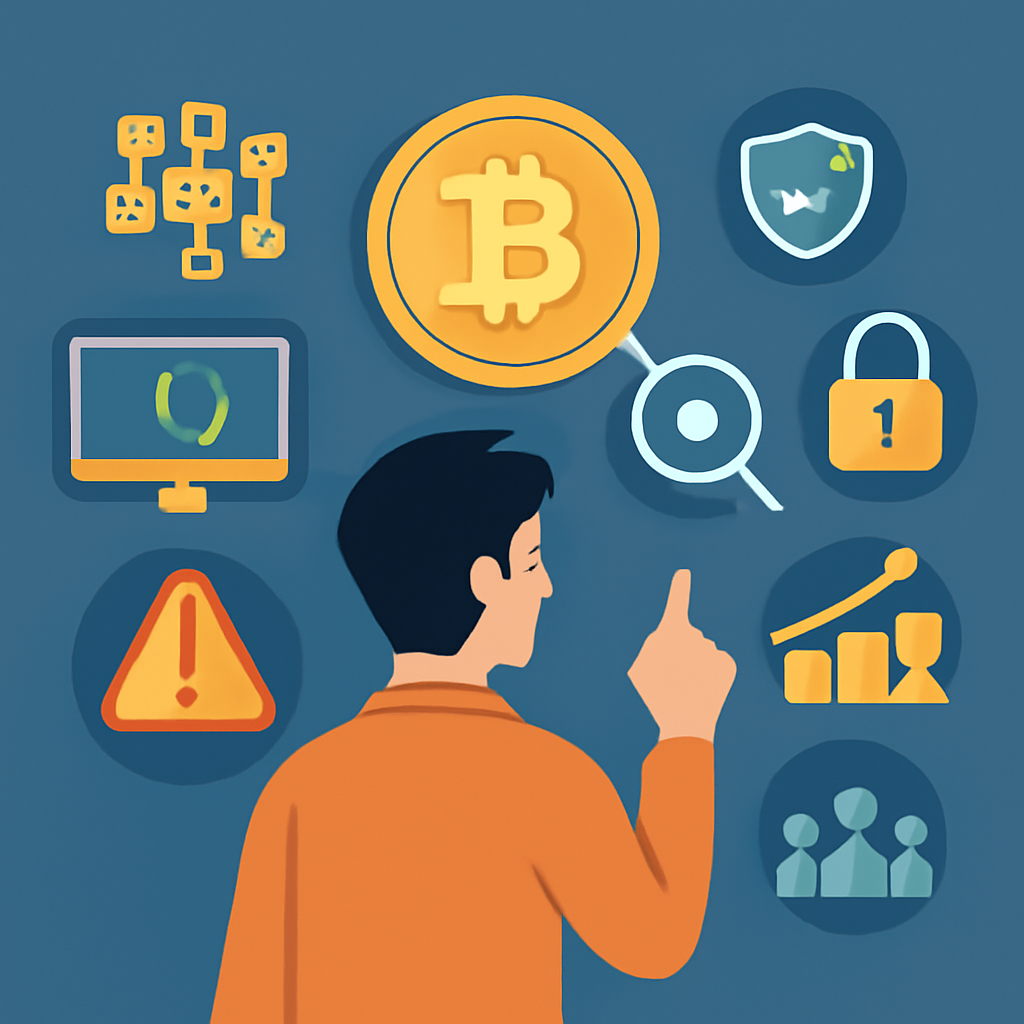
Cryptocurrency has become one of the most popular financial assets in recent years, attracting both seasoned investors and newcomers. However, with the rise of cryptocurrencies, there has also been a significant increase in crypto scams. These scams prey on the ignorance and inexperience of beginners, causing them to lose substantial amounts of money. As a result, it’s essential to learn how to identify and avoid scams in the crypto space.
In this article, we will discuss some practical tips to help beginners navigate the world of crypto safely and protect themselves from fraud.
1. Understand the Basics of Cryptocurrency
Before diving into the world of crypto, it’s crucial to have a clear understanding of what cryptocurrencies are, how they work, and the various types available. Cryptocurrencies operate on blockchain technology, which is a decentralized ledger that records all transactions across a network of computers.
A strong foundational knowledge helps you recognize red flags and understand which platforms and projects are legitimate. Take the time to learn about the different types of cryptocurrencies (e.g., Bitcoin, Ethereum) and the technology behind them. Knowledgeable investors are much less likely to fall victim to a scam.
2. Use Trusted and Established Exchanges
One of the first steps in protecting yourself from crypto scams is using well-known, reputable cryptocurrency exchanges. Platforms like Coinbase, Binance, Kraken, and Gemini have been around for years and are subject to regulatory oversight in many jurisdictions. They also have security features such as two-factor authentication (2FA) to safeguard your assets.
Avoid using lesser-known or suspicious exchanges, as they might be fronts for fraudulent activities. Always research the exchange you are considering, and ensure it has positive user reviews, a track record of reliability, and proper licensing.
3. Avoid Unrealistic Promises and Offers
Crypto scams often involve promises of extraordinarily high returns or opportunities that sound too good to be true. These scams typically advertise “get-rich-quick” schemes, claiming that investors can make huge profits with minimal risk.
If an investment opportunity guarantees high returns with little to no risk, it’s almost certainly a scam. Cryptocurrencies are volatile by nature, and no legitimate project can promise consistent, risk-free profits. Always approach any offer that seems too good to be true with extreme caution.
4. Check for Regulatory Compliance
Regulatory compliance is a key indicator of a legitimate crypto project or exchange. Most reputable platforms will be registered with financial authorities in the country they operate. These regulations are put in place to protect investors and ensure the exchange or project adheres to anti-money laundering (AML) and know your customer (KYC) standards.
Before investing in a crypto project or platform, check if it complies with relevant regulations. For example, in the United States, you can verify if an exchange is registered with the Financial Crimes Enforcement Network (FinCEN) or if it follows KYC procedures.
5. Be Cautious with Phishing Scams
Phishing is one of the most common ways scammers steal information. It involves sending fraudulent emails or messages that look legitimate but are designed to trick you into revealing your private keys, login credentials, or other sensitive data.
To avoid phishing scams, never click on suspicious links, and always verify the authenticity of any email or message you receive related to cryptocurrency. Legitimate platforms will never ask for your private keys or personal information through email. Make sure to double-check website URLs, and always use secure channels to communicate with platforms.
6. Verify the Team Behind Crypto Projects
Another important step in avoiding scams is researching the team behind a cryptocurrency project. Legitimate projects will have transparent and verifiable team members, including their professional backgrounds and LinkedIn profiles. If the project you’re looking at lacks transparency or if the team members are anonymous or have questionable histories, it’s a huge red flag.
It’s also a good idea to check the project’s social media presence and community engagement. Established projects often have active communities on platforms like Reddit or Twitter, where you can gauge the legitimacy of the project and get feedback from other investors.
7. Secure Your Wallet and Private Keys
The security of your crypto assets is paramount. To protect your investments, always store your cryptocurrencies in a secure wallet. Hardware wallets (such as Ledger or Trezor) are considered one of the safest options, as they store your private keys offline, making them less vulnerable to hacking.
Never share your private keys or recovery phrases with anyone, and always keep them in a safe place. If you lose your private key, you lose access to your cryptocurrency. Be cautious of any individual or service that asks for your private keys, as this is a classic scam tactic.
8. Conduct Thorough Research Before Investing
Thoroughly research any cryptocurrency before investing in it. Look into the project’s whitepaper, the problem it seeks to solve, the utility of the token, and the roadmap. Assess the overall potential of the project, and make sure it has a clear use case and a solid development team.
Additionally, check the project’s history and past performance. While past performance is not always an indicator of future success, it can give you insight into how transparent and reliable the project is.
Conclusion
While the crypto market offers tremendous opportunities, it also presents unique risks, especially for beginners. By following these tips and being cautious, you can protect yourself from falling victim to scams. Always do your research, use trusted platforms, and stay informed. Remember that there are no shortcuts to success in the crypto world—investment in knowledge and vigilance is key to ensuring your safety and success.