
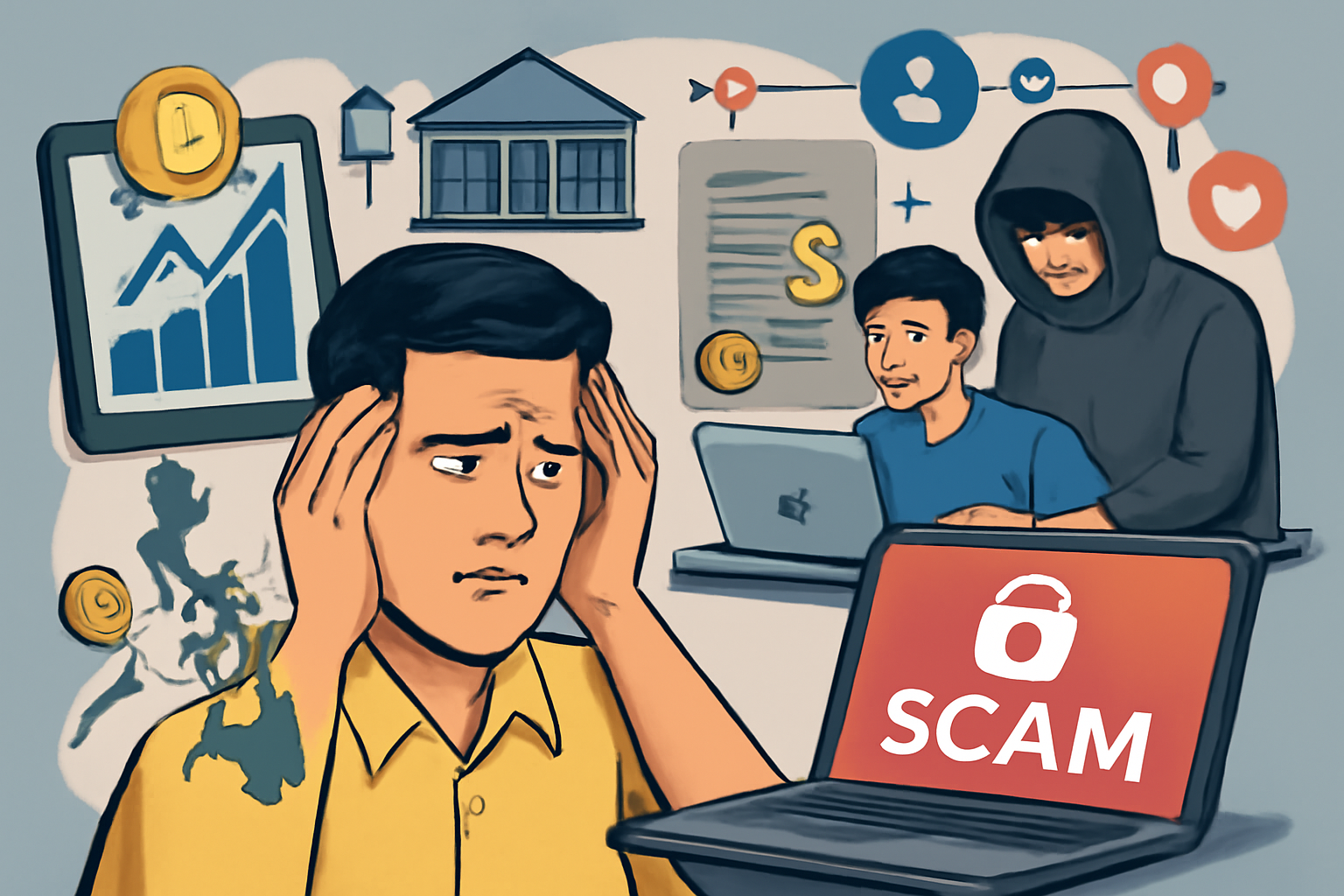
The cryptocurrency market, with its rapid growth and promise of high returns, has captivated investors worldwide, including in the Philippines. However, alongside this allure, there has been a disturbing rise in cryptocurrency investment scams that target unsuspecting individuals. These scams have grown increasingly sophisticated, leaving many victims financially devastated. Understanding why these scams are so rampant in the Philippines requires exploring the factors that contribute to their rise and examining their widespread impact on the economy and society.
Causes of the Surge in Crypto Investment Scams in the Philippines
- Lack of Regulatory Oversight
One of the key factors contributing to the prevalence of crypto scams in the Philippines is the lack of comprehensive regulatory frameworks. While the Philippines has made strides in regulating cryptocurrencies, such as by implementing the Anti-Money Laundering Act (AMLA) and setting up the Bangko Sentral ng Pilipinas (BSP) to oversee crypto exchanges, the market remains largely unregulated in certain areas. This regulatory gap creates opportunities for scammers to exploit unsuspecting investors without significant repercussions.
Scammers often use this loophole to operate unlicensed investment platforms or run Ponzi schemes, offering unrealistic returns on investments to attract victims. The lack of stringent laws surrounding crypto investment platforms makes it easier for fraudsters to conduct their schemes with minimal fear of prosecution.
- Widespread Financial Illiteracy
Another significant factor is the low level of financial literacy among many Filipinos, particularly in the realm of cryptocurrencies. Although interest in crypto investments has surged, many people are still unfamiliar with the technicalities of blockchain technology, cryptocurrency exchanges, and how digital assets work. This lack of knowledge makes them vulnerable to false promises of high returns.
Crypto scams often prey on individuals’ lack of understanding, offering seemingly easy ways to make quick money or guaranteeing profits. Many victims fall into the trap because they do not fully understand the volatility and risks associated with cryptocurrency trading, which can be easily manipulated by fraudulent schemes.
- Social Media and Influencer Marketing
The rise of social media has also played a significant role in the proliferation of crypto investment scams. Influencers, celebrities, and social media personalities, often with large followings, are increasingly promoting questionable crypto projects or “get-rich-quick” schemes to their audiences. These influencers may not always be aware of the scam aspects of the projects they endorse, or they may be compensated for promoting them without conducting proper due diligence.
This phenomenon has particularly affected younger Filipinos, who are highly active on social media platforms like Facebook, Instagram, and YouTube. Many are persuaded to invest in crypto ventures simply because of the high-profile endorsements they see online, without taking the time to investigate the legitimacy of the opportunity.
- Globalization of Crypto Markets
Cryptocurrency is a decentralized and borderless technology, meaning that scams originating from anywhere in the world can easily target people in the Philippines. International criminal syndicates use advanced tools, such as phishing websites and fake crypto wallets, to lure investors into depositing money into fraudulent schemes. Due to the global nature of these scams, victims often find it difficult to trace their funds or seek justice, as these operations are frequently run from offshore locations.
Impact of Crypto Investment Scams in the Philippines
- Financial Losses for Individuals
The most immediate impact of crypto investment scams is the financial damage caused to individuals. Scammers often promise high returns with minimal risk, exploiting the investor’s desire to grow their wealth quickly. In reality, these scams result in the total loss of invested funds, leaving victims in severe financial distress. The psychological toll on individuals who lose their savings can also be significant, leading to feelings of shame, guilt, and anxiety.
Many Filipinos who fall victim to these scams are low-income earners or small-scale investors who cannot afford to lose their money. For some, the loss of their investment represents a major setback in achieving their financial goals.
- Damage to Trust in Cryptocurrency
Widespread crypto scams also damage the reputation of the cryptocurrency industry in the Philippines. As more scams come to light, the public perception of cryptocurrency becomes more negative, with many associating it with fraud and illegal activity. This erosion of trust can deter potential legitimate investors from entering the market, stalling the growth of a sector that has the potential to offer financial inclusion and economic opportunities.
The involvement of celebrities and social media influencers in promoting dubious crypto projects further complicates matters, as people may begin to view the entire cryptocurrency ecosystem as one characterized by fraud, rather than innovation.
- Undermining the Economy and Job Creation
As crypto scams spread, they not only harm individuals but also indirectly undermine the broader Philippine economy. Many of the individuals who invest in these fraudulent schemes do so with the hope of improving their financial situations or creating new businesses. When these investments are lost, not only does the individual suffer, but there is also a reduction in overall economic productivity and job creation.
Moreover, a lack of investor confidence in cryptocurrency may discourage the development of legitimate blockchain projects in the country, preventing the Philippines from tapping into the potential benefits that the digital economy offers.
- Increased Financial Crime and Cybersecurity Risks
Crypto scams in the Philippines also contribute to an increase in financial crime. Fraudsters often use complex methods to hide their tracks, including money laundering techniques that move illicit funds across borders. This makes it difficult for law enforcement to track the perpetrators, leading to a lack of accountability and potentially greater financial crime in the country.
Furthermore, scams related to crypto investments often come with significant cybersecurity risks. Phishing attacks, malware, and data breaches are common tactics used to steal personal information from victims. This increases the vulnerability of both individual investors and the broader financial infrastructure.
The proliferation of crypto investment scams highlights the urgent need for stronger regulations, greater public awareness, and enhanced cybersecurity measures in the Philippines. Only through these efforts can the country begin to combat the growing threat of crypto fraud and protect its citizens from the devastating consequences of these illegal activities.