
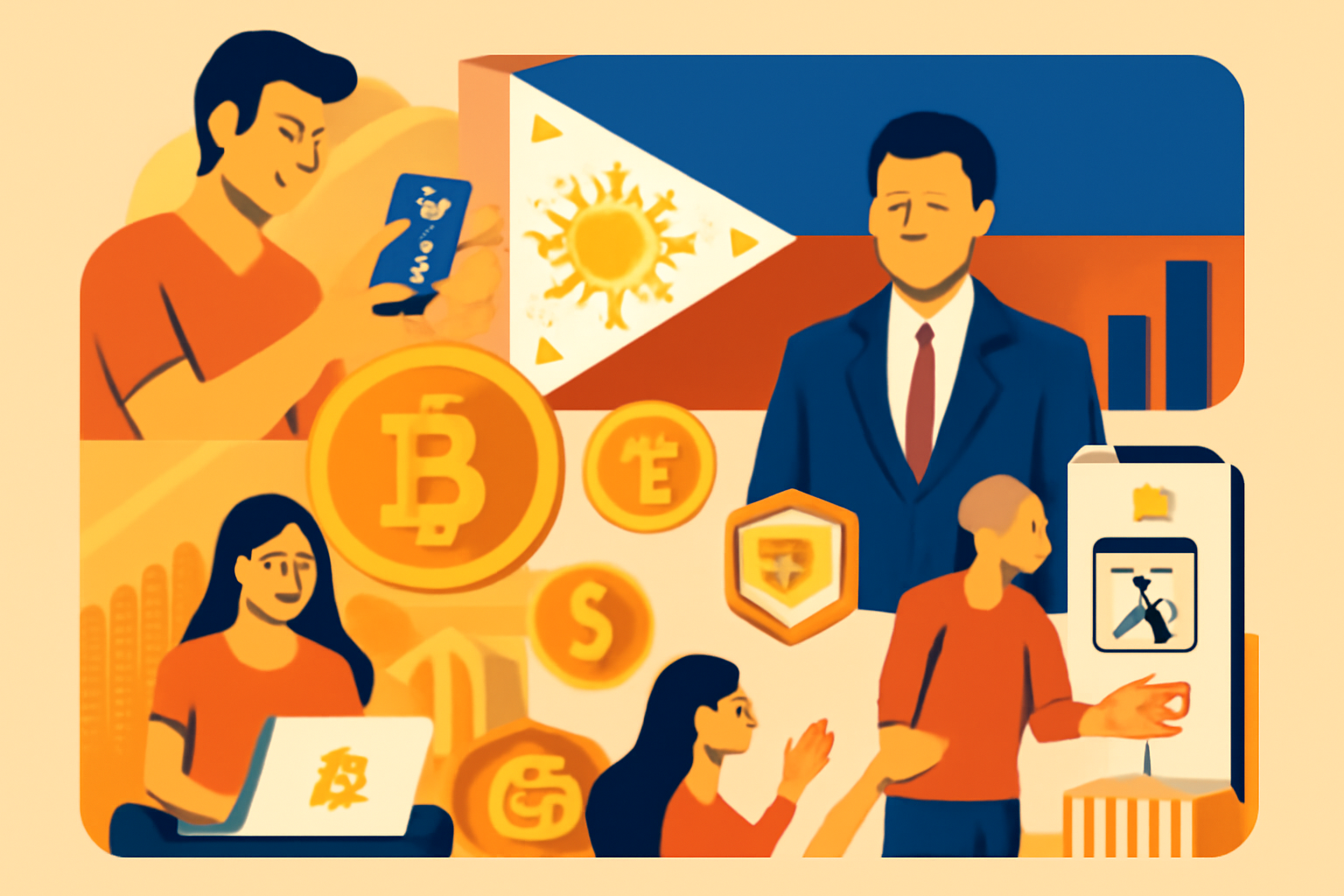
The cryptocurrency market in the Philippines has been rapidly evolving, driven by several economic factors that influence both the adoption and growth of digital currencies. As the global trend toward cryptocurrencies continues to rise, the Philippines stands out due to its unique socio-economic environment, characterized by a young, tech-savvy population, a strong remittance economy, and an evolving regulatory framework. Understanding these economic influences provides a deeper insight into why cryptocurrencies are gaining traction in the country and how various factors shape market trends.
1. Remittances: A Key Driver of Cryptocurrency Adoption
One of the most significant economic factors affecting the cryptocurrency market in the Philippines is remittances. The country is one of the world’s largest recipients of remittances, with Filipinos working abroad sending billions of dollars home each year. In 2023, the Philippines received over $30 billion in remittances, and this figure is expected to grow. Traditional remittance channels, such as banks and money transfer services, are often slow and costly. On average, sending money through these services incurs fees of around 5-7%, which is a significant portion of the funds being transferred.
Cryptocurrency offers a viable alternative for cross-border transactions, with lower fees, faster processing times, and the ability to bypass traditional financial intermediaries. Platforms like Binance, Coins.ph, and other local crypto exchanges enable Filipinos to send and receive money more efficiently through digital currencies. The ability to use Bitcoin or stablecoins like USDT to send remittances not only reduces transaction costs but also provides an opportunity for wealth preservation, especially in the face of fluctuating local currency values and inflation.
2. Young, Tech-Savvy Population and Digital Adoption
Another economic factor that drives cryptocurrency adoption in the Philippines is its young, tech-savvy population. The Philippines has one of the youngest populations in Southeast Asia, with a median age of around 25 years old. This demographic is highly engaged with technology, and internet penetration is steadily increasing. Filipinos are also quick adopters of digital platforms, from social media to mobile payments.
This tech-oriented mindset creates a fertile ground for cryptocurrency to thrive, as younger Filipinos are more likely to explore digital financial solutions. Cryptocurrencies, with their decentralized and borderless nature, align well with the preferences of the younger population, who are already accustomed to the idea of digital wallets, online transactions, and the gig economy. Additionally, the rise of decentralized finance (DeFi) platforms, NFT markets, and blockchain gaming presents exciting opportunities for younger Filipinos to engage with crypto in innovative ways.
3. Economic Instability and Inflation Hedge
Economic instability, such as inflation and currency depreciation, is another key factor driving interest in cryptocurrency in the Philippines. Over the past few years, the Philippine peso has faced significant pressure, losing value against major currencies like the US dollar. In times of high inflation or economic uncertainty, people often seek alternative assets that can protect their wealth. Cryptocurrencies, particularly Bitcoin, have been seen as a store of value due to their limited supply and decentralized nature.
In addition to Bitcoin, stablecoins like USDT are gaining traction as a way to hedge against inflation and currency devaluation. These digital assets are pegged to a stable asset like the US dollar, offering a safer investment option in times of economic instability. For Filipinos, especially those in rural areas or lower-income groups who might not have access to traditional banking, cryptocurrencies offer an alternative way to save and invest without relying on banks or financial institutions that may not be as accessible or trustworthy.
4. Government Regulation and Legal Framework
The Philippine government’s stance on cryptocurrency also plays a critical role in shaping market trends. In 2017, the Bangko Sentral ng Pilipinas (BSP), the country’s central bank, issued regulations that provided a clear framework for cryptocurrency trading. The government’s recognition of digital assets and the establishment of legal structures for crypto exchanges have fostered a sense of security and legitimacy within the market.
Additionally, the Philippines has positioned itself as a favorable environment for blockchain innovation, with initiatives like the “Philippine Blockchain Week” and local regulations promoting crypto entrepreneurship. The regulatory clarity has helped attract both local and foreign investors, making the country a hub for cryptocurrency adoption in Southeast Asia.
However, the government is also vigilant about potential risks, including money laundering and fraud. In response, the BSP has introduced stringent Anti-Money Laundering (AML) and Know Your Customer (KYC) requirements for crypto exchanges. While these regulations are aimed at protecting consumers, they also help establish a more stable and secure market, encouraging wider public participation.
5. The Growth of Crypto-Based Startups and Investment Opportunities
The Philippines has seen a rise in crypto-based startups and blockchain companies, contributing to the growing interest in the sector. These companies are exploring various use cases for blockchain technology, from remittance services to decentralized finance and supply chain management. As a result, the local cryptocurrency ecosystem is becoming increasingly diverse, offering a range of investment and earning opportunities for the public.
Venture capitalists and institutional investors have also shown increasing interest in the Philippine crypto market. With its growing middle class, increasing digital literacy, and evolving regulatory environment, the country presents an attractive market for both short-term speculation and long-term investment in digital assets. This influx of investment capital further fuels market growth, driving innovation and competition within the local crypto space.
6. Access to Financial Services and Financial Inclusion
The Philippines has a relatively low banking penetration rate, with a significant portion of the population unbanked or underbanked. Cryptocurrencies present a solution to this problem by providing access to financial services without the need for a traditional bank account. Through mobile wallets and decentralized exchanges, Filipinos can store, transfer, and trade digital assets using only their smartphones, thereby increasing financial inclusion.
In rural areas, where banking infrastructure is often limited, cryptocurrency provides a decentralized financial solution that doesn’t rely on physical bank branches or traditional financial institutions. This can empower individuals who are excluded from the formal financial system to participate in the global economy.
The combination of these economic factors—remittances, a young and tech-savvy population, economic instability, government regulation, crypto-based startups, and financial inclusion—plays a pivotal role in shaping the trends in the Philippine cryptocurrency market. As the market continues to mature, these factors will likely continue to influence the adoption and growth of digital currencies, making the Philippines one of the most dynamic crypto markets in Southeast Asia.