
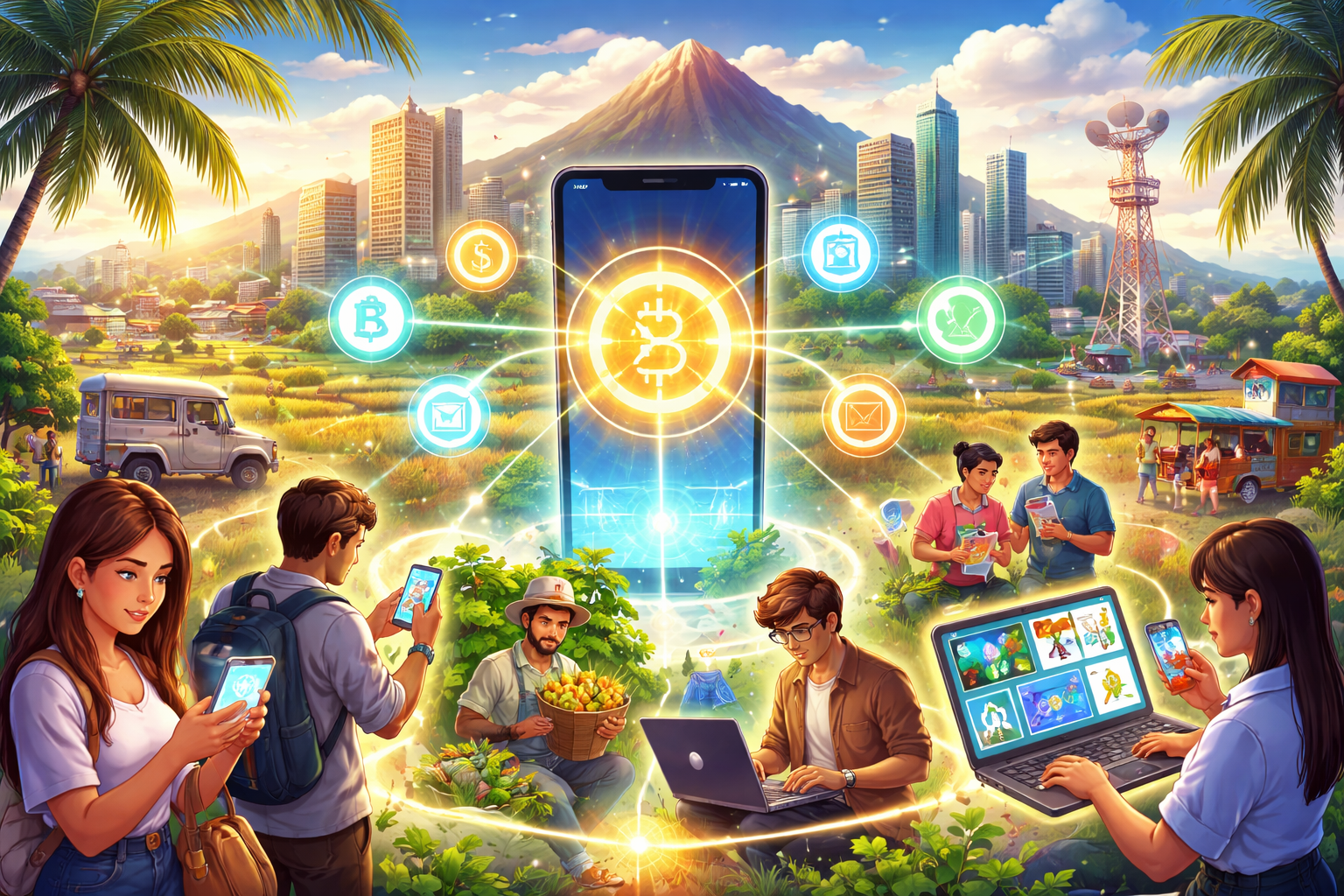
The Philippines is often described as one of Southeast Asia’s most promising markets for Web3 adoption. A young, digitally active population, high social media usage, and strong interest in mobile finance have created fertile ground for blockchain-based applications. The country gained global attention during the rise of play-to-earn gaming, when many Filipinos turned to blockchain games and crypto assets as both a source of income and a gateway to digital ownership. However, widespread adoption of Web3 in the Philippines will depend on more than enthusiasm. It requires trust, education, regulation, infrastructure, and practical use cases that solve real local problems.
One of the biggest strengths of the Philippine market is its openness to digital innovation. Millions of Filipinos are already comfortable using e-wallets, mobile banking, and digital platforms for commerce and communication. This familiarity makes the transition to blockchain-based services more realistic than in markets where digital finance adoption remains low. Web3 can offer meaningful value in areas such as remittances, decentralized finance, identity verification, creator economies, and financial inclusion. For a country where overseas remittances are a major part of household income, faster and lower-cost blockchain transfers could provide direct benefits to families. In addition, decentralized systems could help small entrepreneurs, freelancers, and digital creators access global markets without relying entirely on traditional intermediaries.
Despite this potential, several major barriers continue to slow adoption. The first is limited public understanding. Many people still associate Web3 only with cryptocurrency speculation, scams, or volatile token prices. This narrow perception prevents wider appreciation of how blockchain can support digital ownership, transparent transactions, and new business models. A second challenge is digital and financial literacy. While smartphone usage is high, not all users understand wallet security, private keys, smart contracts, or the risks of interacting with decentralized applications. Without strong education, users remain vulnerable to fraud, phishing, and unsustainable investment schemes.
Regulatory uncertainty is another serious issue. Businesses and developers need clear rules before they are willing to invest at scale. If policies around token issuance, taxation, consumer protection, and compliance remain unclear or inconsistent, startups may hesitate to build locally or may move innovation elsewhere. At the same time, regulators face the difficult task of encouraging innovation without exposing citizens to abuse. This balance is especially important in a country where many first-time users may enter the ecosystem through highly speculative products. Poorly regulated growth could damage public confidence for years.
Infrastructure also matters. Although internet penetration is improving, connection quality and affordability still vary across regions. A Web3 future cannot be built only for highly connected urban users in Metro Manila or Cebu. Rural communities, smaller businesses, and underserved populations must also be able to access reliable digital tools. On top of that, many blockchain platforms still suffer from complicated user interfaces, expensive transaction fees during peak periods, and poor customer support. If the average Filipino user finds Web3 products confusing or risky, adoption will remain limited to niche communities.
To move forward, the Philippines needs a practical and inclusive strategy. Education should come first. Schools, universities, tech communities, and private companies can work together to explain blockchain beyond hype, focusing on security, responsible participation, and real-world applications. Government agencies should create transparent and adaptive regulations that protect consumers while giving innovators enough space to experiment. Support for local startups is equally important, especially those building solutions for remittances, agriculture, supply chains, digital identity, and microfinance.
The most effective way to drive adoption is to prioritize utility over speculation. Filipinos will embrace Web3 more deeply when it helps them save money, move funds more efficiently, protect records, or create new income streams. If developers, educators, businesses, and policymakers align around these goals, the Philippines can become not just an early adopter of Web3 trends, but a regional leader in building a more accessible and meaningful decentralized digital economy.