
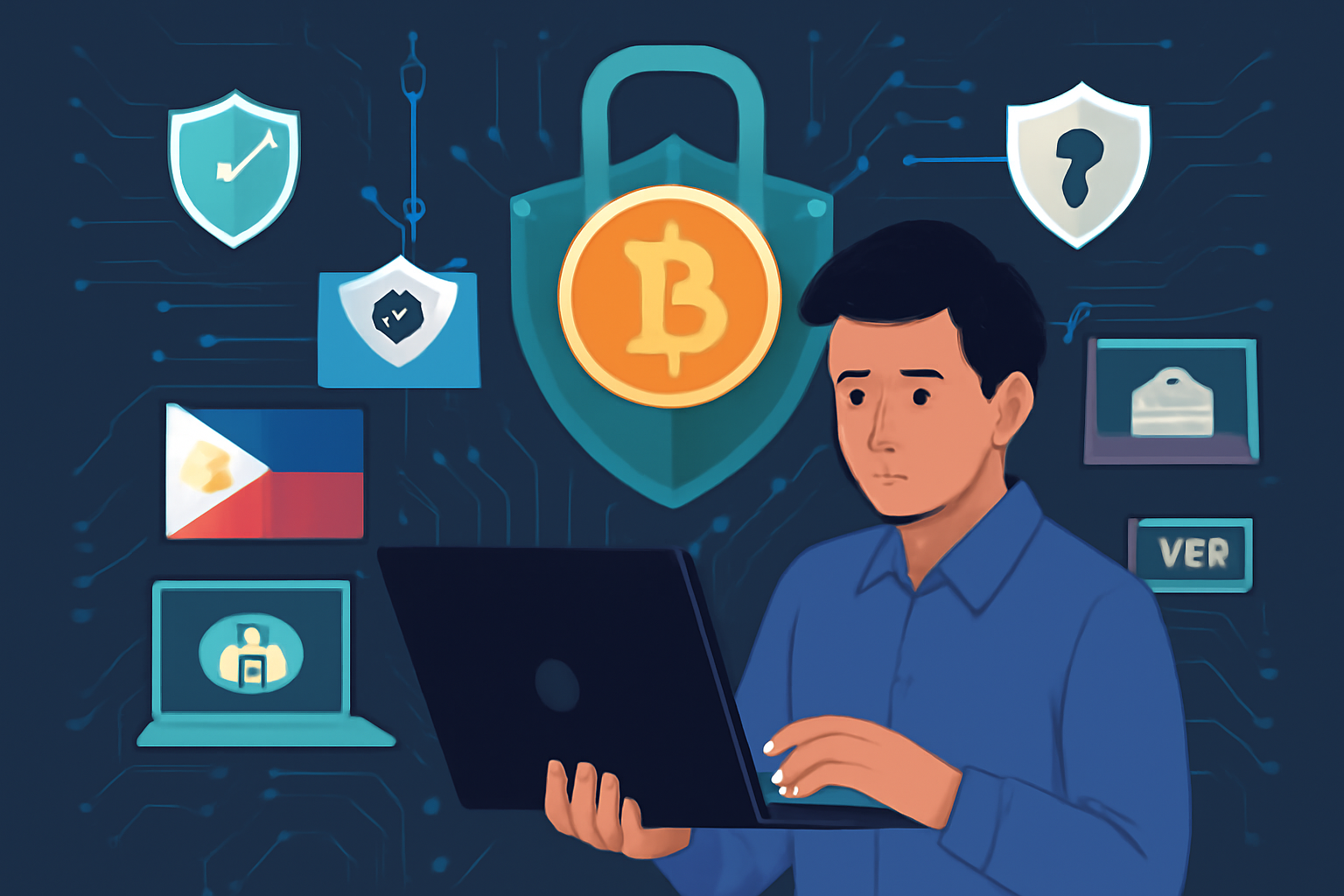
The growing popularity of cryptocurrency has revolutionized the financial landscape, offering an alternative to traditional banking systems and enabling users to make transactions across borders with minimal fees. However, as with any digital technology, it brings with it new challenges, particularly in the realm of data privacy and security. For Filipino users engaging in crypto transactions, understanding the risks involved and taking proactive measures to protect personal data is paramount.
The Nature of Cryptocurrency Transactions
Cryptocurrency transactions are inherently different from conventional financial systems in that they are decentralized. Rather than relying on central banks or institutions, crypto transactions are verified on a distributed ledger known as the blockchain. This system offers transparency, but it also raises important concerns about privacy and data security.
In most blockchain networks, every transaction is recorded on a public ledger accessible by anyone with the appropriate tools. While these transactions are pseudonymous — meaning they are not directly tied to a user’s real-world identity — they are traceable. Skilled individuals can potentially link a particular address to a user if enough personal data is exposed elsewhere. This brings us to the importance of safeguarding sensitive personal information.
Potential Risks to Data Privacy
Filipino users engaging in cryptocurrency transactions must be aware of several privacy risks:
- Transaction Transparency: Blockchain’s transparency means that once a transaction is made, it becomes a permanent record. While personal identities may remain hidden, transaction details such as amounts, addresses, and timestamps are visible to anyone. If these details are not properly protected, malicious actors can trace them back to individuals.
- Data Breaches: Exchanges, wallets, and other crypto platforms require users to store personal and financial information, such as email addresses, phone numbers, and even government IDs. If these platforms are not adequately secured, they become prime targets for cybercriminals seeking to steal this sensitive data.
- Phishing Attacks: Many Filipino crypto users fall prey to phishing scams, where attackers impersonate legitimate platforms or wallet providers to steal login credentials or private keys. These scams often appear as emails, text messages, or pop-up ads prompting users to enter sensitive information.
- Lack of Regulation: Although cryptocurrency is increasingly popular in the Philippines, there is still a lack of robust regulations governing the use of crypto. Without clear legal frameworks, users are left to protect themselves without much external support or recourse if something goes wrong. In the absence of regulation, the onus is on the user to ensure their data is protected.
How to Protect Personal Data
Given these risks, Filipino users need to adopt strategies and tools to safeguard their personal information and maintain data privacy. Here are some practical steps:
- Use Secure Wallets: When selecting a wallet for storing crypto assets, opt for hardware wallets (cold wallets) over software wallets (hot wallets) whenever possible. Hardware wallets store private keys offline, which greatly reduces the risk of hacking and phishing attacks. If using a hot wallet, ensure that it is equipped with advanced security features like two-factor authentication (2FA) and strong encryption.
- Be Wary of Phishing: Never share private keys, passwords, or other sensitive information over email, text, or any unsolicited communication. Legitimate platforms will never ask for these details. Always verify the source of any communication before taking any action.
- Enable Two-Factor Authentication (2FA): 2FA adds an extra layer of security to your accounts. By requiring both a password and a temporary code generated on a mobile device, this extra step makes it harder for cybercriminals to gain access to your accounts even if they have your password.
- Use VPNs and Encrypted Networks: Whenever accessing your crypto wallets or making transactions, avoid using public Wi-Fi networks. Instead, use a Virtual Private Network (VPN) to encrypt your internet connection, providing a more secure environment for online activities.
- Stay Updated on Regulatory Changes: While crypto regulations in the Philippines are still evolving, staying informed on the latest legal developments can help you make informed decisions about which platforms to use. The Philippine Securities and Exchange Commission (SEC) and the Bangko Sentral ng Pilipinas (BSP) are making efforts to provide guidance and regulations for the crypto industry, so it’s important to be aware of their updates.
- Choose Reputable Exchanges: When trading or exchanging crypto, always choose well-established and reputable platforms. Look for platforms with a history of good security practices and transparent operations. Check reviews, verify regulatory compliance, and assess whether they offer strong security protocols, such as encryption and insurance coverage for user funds.
- Educate Yourself: One of the most effective ways to ensure privacy and security is to stay educated about the best practices for managing cryptocurrency transactions. Regularly reading about new developments in the crypto space, including security protocols and common scams, can significantly reduce the risk of falling victim to cybercrime.
The Role of Government and Industry
While individuals must take responsibility for their own data security, it’s also crucial for the Philippine government and cryptocurrency industry to play their part. Regulatory bodies like the BSP and the SEC are already taking steps to create a framework for crypto activities, which will likely enhance user protection in the long run. The introduction of clearer regulations could help standardize security protocols, making it more difficult for fraudsters to exploit vulnerabilities in the system.
Moreover, local exchanges and wallet providers must adopt international best practices in data security. Working with cybersecurity experts and implementing more robust encryption measures will go a long way in safeguarding user data.
Moving Forward: Empowering Filipino Crypto Users
As cryptocurrency becomes an increasingly significant part of the global financial ecosystem, Filipino users must remain vigilant and proactive in safeguarding their personal data. By adopting strong security practices, staying informed about the risks, and taking advantage of emerging security tools, they can protect themselves from cyber threats and ensure their crypto transactions remain secure. It’s a collaborative effort between users, exchanges, and government bodies to create an ecosystem that prioritizes privacy and security in the fast-evolving world of cryptocurrency.