
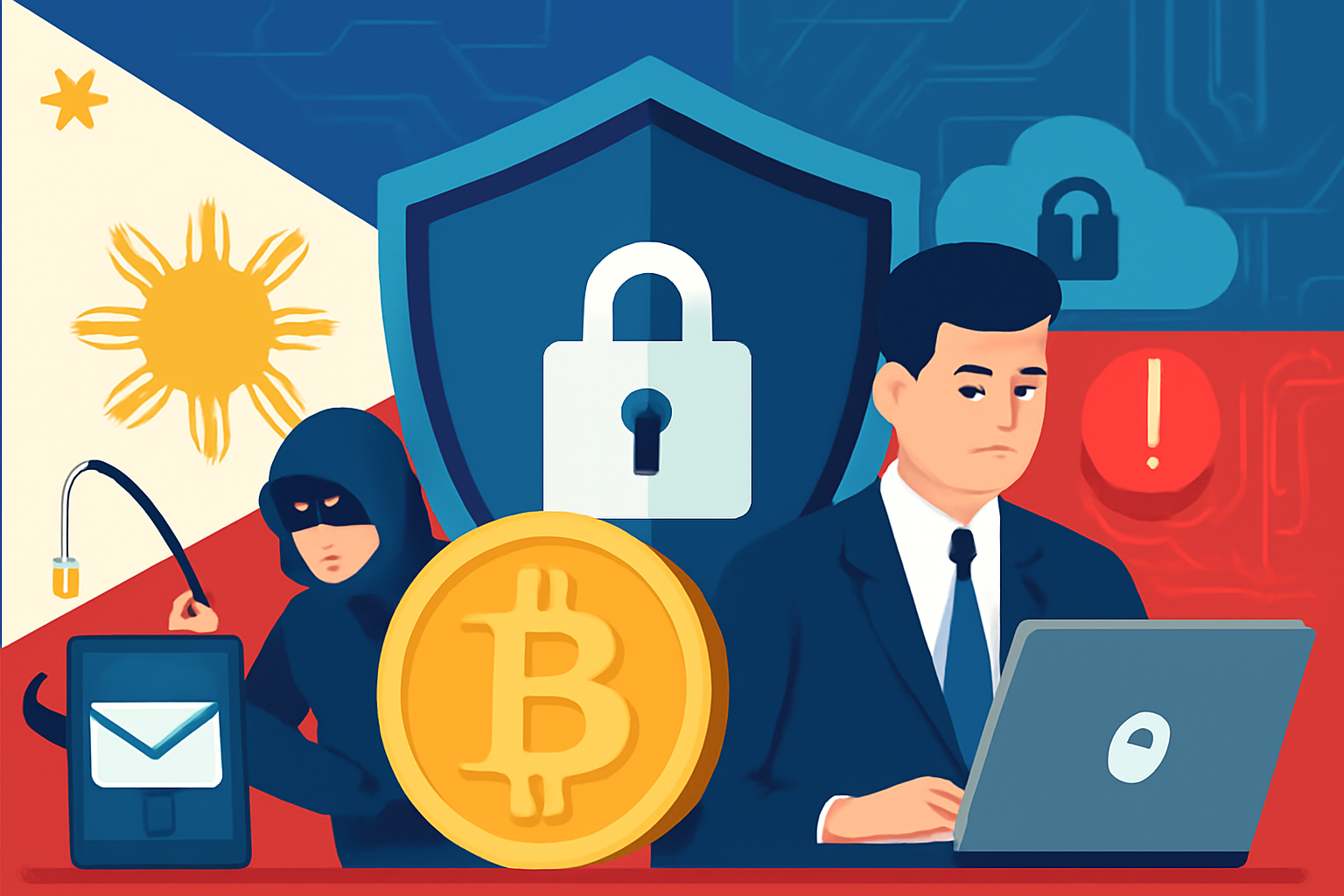
The rise of cryptocurrencies in the Philippines has been rapid, driven by a combination of technological advancements, growing adoption among the general public, and the country’s strategic location as a digital finance hub in Southeast Asia. However, this widespread adoption has brought with it an increase in security risks, making the need for strong protective measures more critical than ever. As cryptocurrencies continue to grow in popularity, the Philippines faces several pressing challenges regarding their security, including cybercrime, regulatory gaps, and the vulnerabilities of existing infrastructures. This article delves into these challenges and explores potential solutions to safeguard the Philippine crypto ecosystem.
The Current State of Cryptocurrency Security in the Philippines
Cryptocurrency security in the Philippines is an evolving concern. While the country has made significant strides in fostering a crypto-friendly environment, there are various security risks threatening the space. In recent years, several notable incidents involving crypto-related cyberattacks have underscored the vulnerabilities present in the ecosystem.
One of the most significant security challenges is the rise in cybercrimes targeting cryptocurrency exchanges and wallet providers. These platforms have become primary targets for hackers, with numerous reports of phishing attacks, hacking incidents, and even insider threats. Cryptocurrencies, being digital assets, are highly susceptible to cyber theft due to the decentralized and pseudonymous nature of transactions, which makes tracing stolen funds a complex process.
In the Philippines, the 2019 hacking incident at a local cryptocurrency exchange resulted in the theft of millions of dollars’ worth of assets, which serves as a glaring example of how vulnerable the market is. Additionally, many Filipino investors still lack sufficient awareness about security best practices, such as securing private keys, enabling two-factor authentication, and recognizing phishing scams. These factors combine to create an environment where security risks are prevalent and challenging to mitigate.
Key Security Threats in the Filipino Crypto Market
Several key security threats continue to impact the Philippines’ cryptocurrency market:
- Phishing and Social Engineering Attacks: These are among the most common cyber threats faced by Filipino crypto users. Hackers often target crypto investors by impersonating legitimate platforms or creating fake cryptocurrency wallet apps to trick users into divulging sensitive information such as private keys or login credentials.
- Hacking of Crypto Exchanges: As the country has seen increased interest in trading cryptocurrencies, exchanges become prime targets for hackers. A successful breach can result in the loss of large amounts of crypto assets, affecting not only the platform’s reputation but also the financial security of its users.
- Ransomware Attacks: Ransomware is a growing threat, where cybercriminals encrypt the victim’s data and demand cryptocurrency, typically Bitcoin, as ransom. These attacks are particularly concerning because they target businesses and government institutions, some of which may lack adequate cybersecurity measures.
- Lack of Regulatory Framework: The lack of a robust regulatory framework for cryptocurrency in the Philippines contributes to the overall security risks. While the government has taken steps to regulate the space—such as through the Securities and Exchange Commission (SEC) and the Bangko Sentral ng Pilipinas (BSP)—the absence of clear, comprehensive rules creates ambiguity and makes it difficult to hold bad actors accountable.
- User Error and Negligence: A significant amount of security breaches can be attributed to user error or negligence. Many Filipino crypto investors are still unfamiliar with the importance of securing their private keys and practicing safe online behavior. Poor password management, lack of encryption, and falling for social engineering schemes often lead to the compromise of crypto assets.
Solutions to Strengthen Cryptocurrency Security in the Philippines
Addressing the security challenges in the Philippine crypto space requires a multi-faceted approach involving government intervention, better infrastructure, and education for users. Several solutions could mitigate the risks and help secure the ecosystem.
- Improved Regulation and Legal Framework: The Philippine government needs to strengthen its regulatory oversight of cryptocurrency exchanges and businesses. Clearer guidelines on licensing, consumer protection, and the enforcement of strict security protocols will help ensure that platforms are held to high standards of cybersecurity. The Securities and Exchange Commission (SEC) and the Bangko Sentral ng Pilipinas (BSP) are already taking steps in this direction, but they must develop a more comprehensive regulatory framework to address emerging threats.
- Enhancing Public Awareness and Education: One of the most effective ways to combat security threats in the crypto space is through education. By improving public awareness about the risks involved and teaching crypto users best security practices, such as securing private keys, using cold wallets, and avoiding phishing attacks, the general public can better protect themselves. Crypto platforms should be encouraged to implement educational programs and security workshops for their users.
- Stronger Cybersecurity Measures by Platforms: Cryptocurrency exchanges and wallet providers must invest in state-of-the-art cybersecurity technologies. This includes employing multi-signature wallets, end-to-end encryption, and robust fraud detection systems. Platforms should also prioritize regular security audits and penetration testing to identify and fix vulnerabilities before they can be exploited by malicious actors.
- Collaboration with International Law Enforcement: Since cybercrime is a global issue, international cooperation is crucial in tackling crypto-related criminal activities. The Philippine government should work more closely with international law enforcement agencies to track and apprehend cybercriminals who operate across borders. This will help create a safer environment for Filipino crypto users and discourage illegal activities.
- Adoption of Best Practices by Crypto Users: It is essential for individual crypto users in the Philippines to adopt best practices for securing their assets. Utilizing hardware wallets for long-term storage, enabling two-factor authentication, and being cautious when interacting with unknown sources can significantly reduce the risk of cyber theft.
By combining regulatory improvements, enhanced cybersecurity infrastructure, and a well-informed public, the Philippines can mitigate the risks associated with cryptocurrency and pave the way for a safer, more secure digital financial future.