
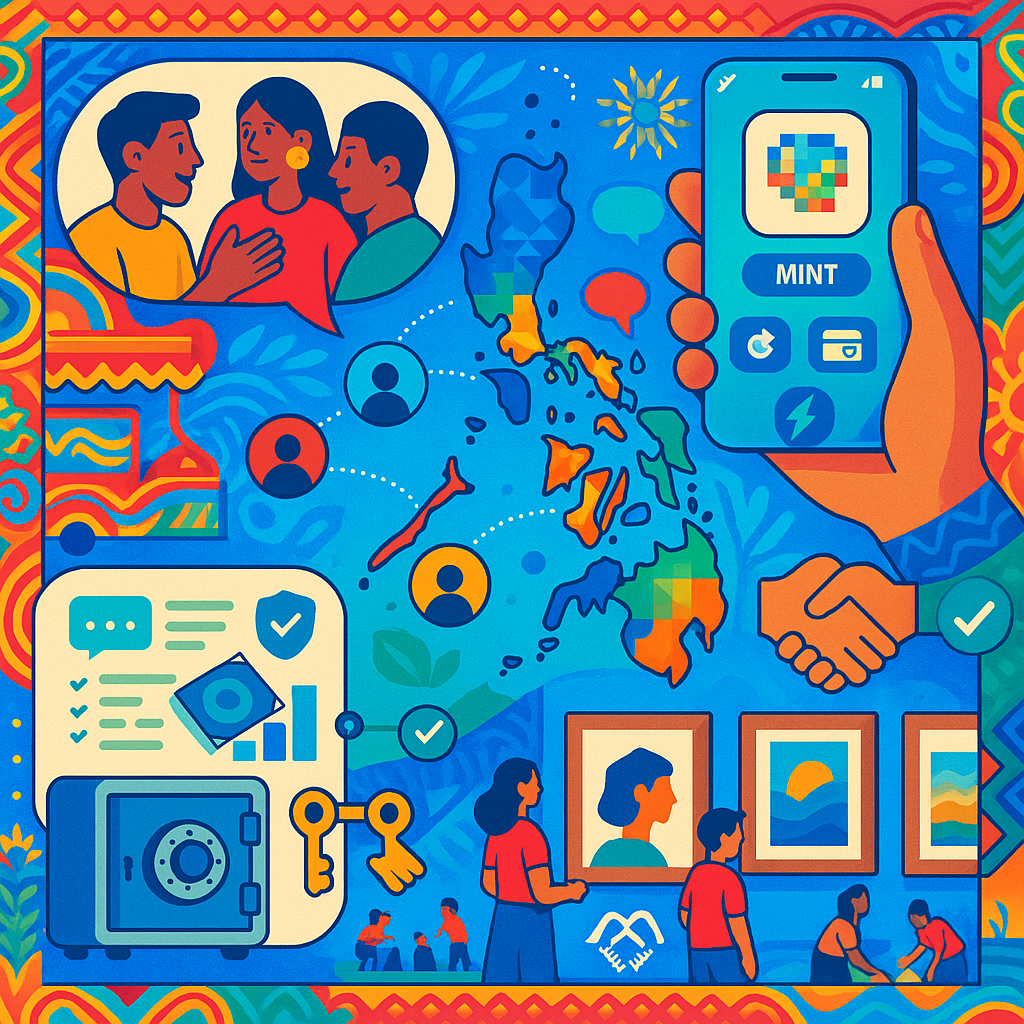
Filipino NFT projects have stood out in Southeast Asia not only for brisk adoption but for a distinct blend of culture, community craft, and practical utility. While global markets swung between euphoria and retrenchment, teams in the Philippines tended to thrive when they treated NFTs as relationship infrastructure rather than mere speculative tickets. Here are the core patterns—and how to apply them.
1) Community before capital. Successful Filipino projects prioritize persistent, human-scale community work: bilingual (English/Filipino) moderation, clear codes of conduct, and consistent engagement rituals like AMAs, artist spotlights, and small in-person meetups in major cities. This approach surfaces local champions early, reduces churn, and builds trust—especially important in a market shaped by word-of-mouth and social proof.
2) Cultural storytelling as an economic moat. Visual languages rooted in Filipino heritage—motifs from jeepney art, folk patterns, festivals, and maritime histories—don’t just differentiate the art; they communicate identity to the diaspora. Projects that frame lore and worldbuilding around local narratives find it easier to mobilize supporters beyond price action, including overseas Filipinos eager to fund, display, and evangelize culture-forward work.
3) Accessible tech choices. Low-cost, fast chains (e.g., those with minimal minting fees) and mobile-first flows matter. Many Filipino collectors onboard via budget smartphones and local e-wallets; removing friction through gasless mints, custodial options for beginners, and clear tutorials drives conversion. The most durable teams publish step-by-step guides, record short vernacular videos, and hold onboarding clinics for absolute newcomers.
4) Utility beyond JPEGs. Projects that outlast cycles attach tangible benefits: gated workshops, IRL exhibitions, merch drops with local makers, or access to creative residencies. In gaming-adjacent efforts, sustainable loops emphasize “play-and-own” over extractive yield, and treasuries reinvest in live ops, art updates, and community tournaments rather than unsustainable emissions.
5) Transparent, doxxed leadership. Philippine buyers have been burned before. Teams that publish founder bios, multi-sig treasury setups, and quarterly roadmaps—and then report against those plans—command a premium. Post-mint updates that show receipts (budgets, partnerships, milestones hit vs. slipped) create accountability and dampen volatility.
6) Partnership gravity. Ties with local galleries, universities, design studios, and NGOs bring legitimacy and new audiences. Crossovers—e.g., collaborative editions with traditional artists or cause-based collections supporting coastal cleanups—unlock press, venues, and grant opportunities while grounding the work in real communities.
7) Compliance and IP hygiene. While frameworks evolve, the winning teams think ahead: clean music and font licenses, releases for photographed subjects, clear royalty language, and simple tax documentation. Clarity reduces takedown risks and helps when onboarding corporate sponsors who require due diligence.
8) Data discipline. Healthy collections share patterns: high unique-holder ratios, stable listing percentages, organic secondary volume relative to mint size, and steady Discord retention. Teams should track: 30/60/90-day holder retention, number of repeat minters, activation rates for utility perks, and attendance at on-ground events. In narratives-driven projects, audience depth (newsletter open rates, long-form content completion) trumps follower counts.
Common pitfalls to avoid
- Overpromising metaverse/game features without budgets or timelines
- Chain-hopping that strands holders and fragments liquidity
- Royalty dependence with no alternate revenue (events, grants, collaborations, services)
- Speculative mints priced above local purchasing power
- Silence during down markets; updates matter most when floors are falling
A practical playbook
- Start with a 90-day community plan (cadence, hosts, topics, measurable goals).
- Ship an onboarding kit: wallet safety, mint walkthrough, scams to avoid, Tagalog/English FAQs.
- Select a chain for low fees and mobile UX; test with 50 real users pre-mint.
- Set mint pricing tiers accessible to local collectors; reserve community scholarships.
- Commit to transparent treasury practices and publish a lightweight roadmap with buffers.
- Secure at least two institutional partners (gallery, school, or NGO) before mint.
- Define utility you can deliver in 30–60 days; avoid distant vaporware.
- Instrument analytics from day one and share key metrics publicly every month.
At their best, Filipino NFT projects succeed by fusing craft, care, and credible operations. The lesson is simple and transferable: build for belonging first, and let technology amplify what community already wants to do together.