
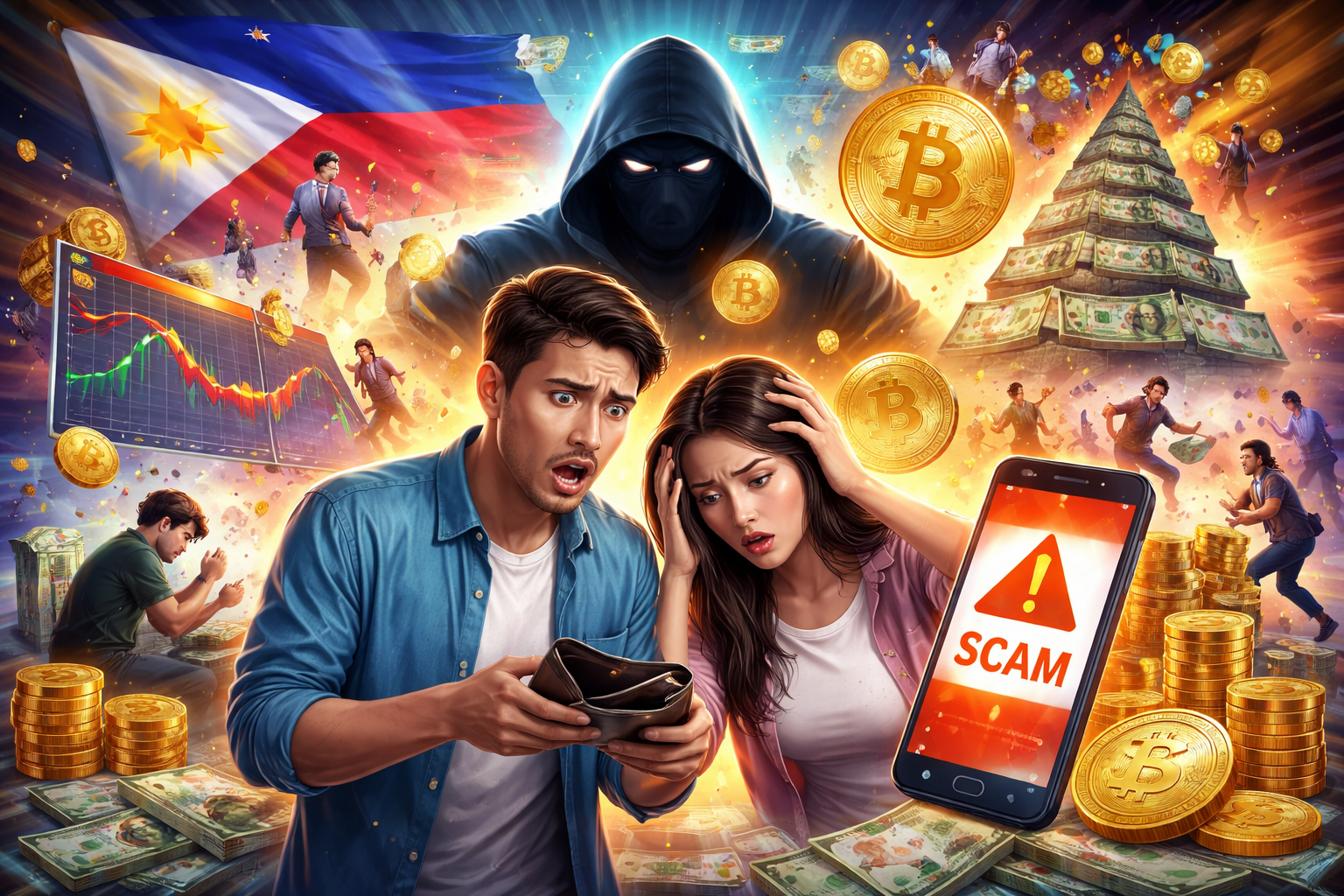
The cryptocurrency market has grown exponentially in recent years, attracting not only legitimate investors but also fraudsters looking to exploit the unregulated nature of this new financial frontier. In the Philippines, the surge in crypto adoption has led to an increase in fraudulent activities, with Ponzi schemes and scam tokens becoming particularly prevalent. This article explores the trends of cryptocurrency fraud in the Philippines, highlighting the types of scams that have emerged, their impact on the public, and the measures being taken to combat this growing issue.
The Rise of Cryptocurrency in the Philippines
The Philippines has become one of the most active countries in the cryptocurrency space, with a rapidly growing number of users and businesses adopting digital assets. In 2023, the Philippines ranked 16th globally in the adoption of cryptocurrencies, with a significant percentage of its population using crypto for remittances, investments, and even as a form of payment.
However, the rise of cryptocurrency has also brought about an increased risk of fraud. Many Filipinos, especially those unfamiliar with the complexities of digital currencies, are vulnerable to scams that promise high returns with little to no risk. As a result, the Philippines has become a hotspot for various crypto-related fraudulent schemes.
Ponzi Schemes: The Classic Fraud
Ponzi schemes have been around for decades, and they have found a new home in the cryptocurrency world. These scams typically involve the promise of high returns on investments in a short period. The initial investors are paid returns from the capital invested by newer participants, creating an illusion of a profitable venture.
In the context of cryptocurrency, Ponzi schemes often involve fake ICOs (Initial Coin Offerings) or promises of returns from trading cryptocurrencies on platforms that don’t exist. One of the most notable Ponzi schemes in the Philippines was the “BitPetite” scam, which targeted local investors by offering unrealistically high returns on cryptocurrency investments.
The scam operated by attracting investors with promises of daily profits, paid out from the funds of new participants. Eventually, as with most Ponzi schemes, the system collapsed when new investments slowed down, leaving many victims without their invested capital.
Scam Tokens: Fraudulent Digital Assets
Another prevalent form of crypto fraud in the Philippines is the creation and promotion of scam tokens. A scam token is a cryptocurrency that has no real value, typically launched as part of a fraudulent scheme. These tokens are often sold through fake ICOs or “pump-and-dump” schemes.
Scammers promote these tokens by creating a sense of urgency and excitement, often through social media, influencers, or online advertisements, claiming that they are the next big thing in the crypto market. Once the scammers have raised enough funds from unsuspecting investors, they “dump” the tokens, leaving investors with worthless digital assets. This type of fraud has been especially rampant in the Philippines due to the country’s growing online presence and social media usage.
A recent example is the rise and fall of “P-Haven Coin,” a scam token that promised to be a revolutionary new digital asset. Through aggressive marketing and social media campaigns, the token was able to attract a large number of investors, only to disappear once the scammers cashed out their profits.
The Impact on Filipino Investors
The financial impact of cryptocurrency fraud on Filipino investors is significant. Many victims are everyday citizens who invest their savings with the hope of generating passive income. For some, the loss of funds due to a scam can be life-altering, especially for those who may have taken loans or used their retirement savings to invest.
Moreover, these scams can damage the broader perception of cryptocurrencies in the Philippines. While many legitimate businesses are attempting to educate the public about the benefits and risks of crypto investments, fraudsters are tarnishing the reputation of the industry as a whole. This creates an environment of mistrust that could hinder the growth and development of the crypto ecosystem in the country.
Regulatory Response and Consumer Protection
The Philippine government has recognized the growing threat of cryptocurrency fraud and has taken steps to address the issue. The Securities and Exchange Commission (SEC) of the Philippines has issued guidelines for cryptocurrency exchanges and initial coin offerings to ensure that they are compliant with the country’s financial regulations. However, enforcement remains a challenge due to the anonymous nature of cryptocurrencies and the rapid pace of technological innovation.
In addition, the Bangko Sentral ng Pilipinas (BSP), the central bank, has taken proactive measures to regulate digital financial services and combat fraudulent activities. The BSP has encouraged crypto exchanges to implement anti-money laundering (AML) protocols and know-your-customer (KYC) procedures to reduce the likelihood of scams.
Despite these efforts, many experts argue that more comprehensive and stringent regulations are needed to protect investors. Public education campaigns and collaborations between government agencies, financial institutions, and the private sector will be critical in reducing the risk of cryptocurrency scams.
Consumer Awareness and Prevention
For Filipino investors, staying informed and being cautious is the best defense against cryptocurrency fraud. It is essential to conduct thorough research before investing in any cryptocurrency project, verify the legitimacy of exchanges, and be wary of promises of high returns with little risk. It’s also advisable to use platforms that are registered with the government and have a reputation for transparency.
In addition to government and institutional efforts, educational programs focusing on crypto security and fraud prevention should be a priority. With the right tools and knowledge, consumers can navigate the crypto space more safely and protect themselves from falling victim to scams.
The increasing prevalence of cryptocurrency fraud in the Philippines highlights the need for both stricter regulatory oversight and greater consumer awareness. As the crypto space continues to evolve, ensuring that the public is informed and protected will be crucial to maintaining trust in digital currencies and fostering a safer investment environment.