
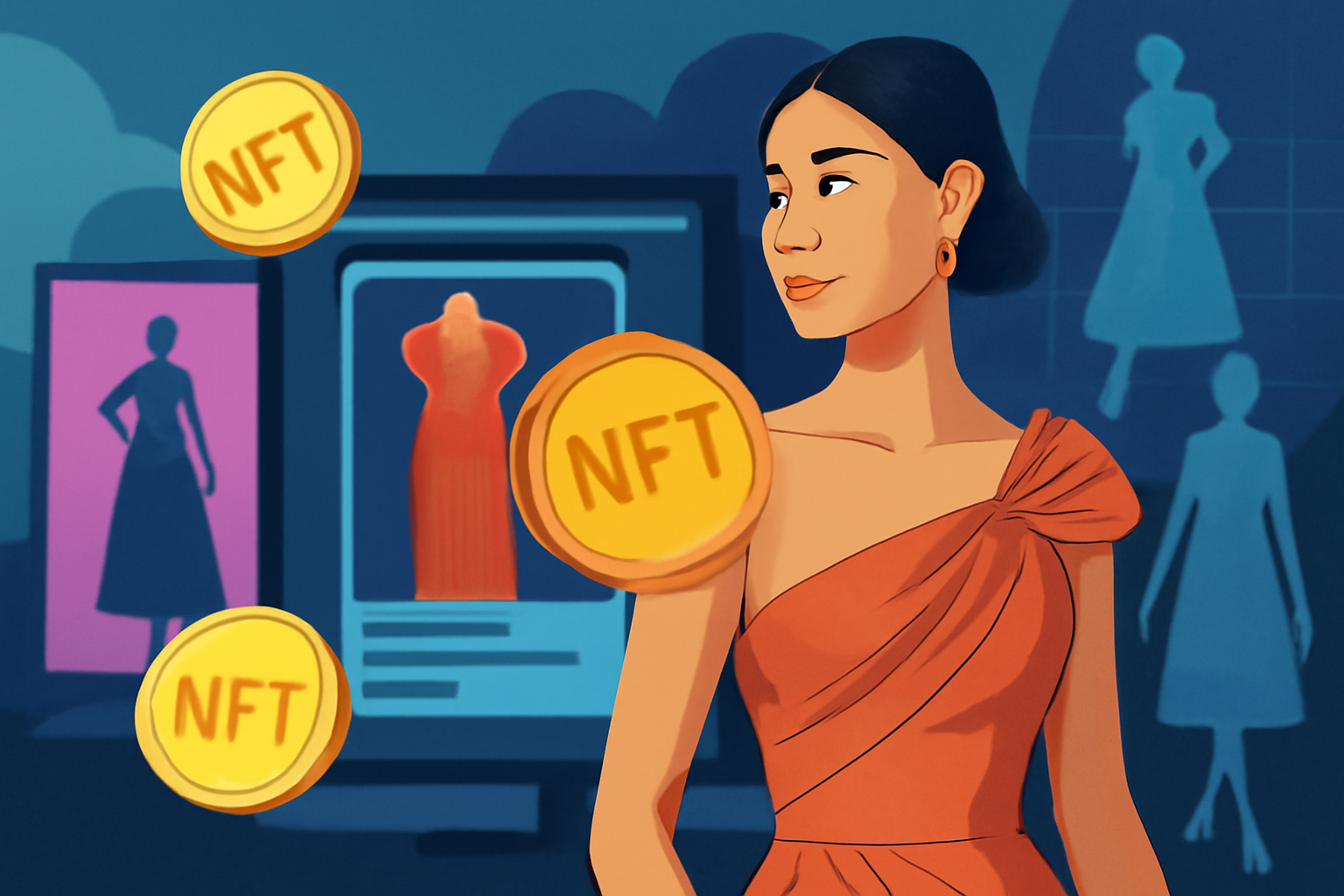
The world of fashion is evolving rapidly, and technology is playing a pivotal role in this transformation. One of the most recent and groundbreaking technological innovations that have infiltrated the fashion industry is NFTs (Non-Fungible Tokens). While NFTs have become widely recognized in the realm of digital art and collectibles, they are also making significant inroads into the fashion world, especially in emerging markets like the Philippines. In this article, we’ll explore how NFTs are helping Filipino fashion industry players market their works, providing new opportunities and expanding global reach.
What Are NFTs?
Before diving into the benefits, it’s essential to understand what NFTs are. NFTs are unique digital assets stored on a blockchain, typically representing ownership of a piece of digital or physical content. Unlike cryptocurrencies such as Bitcoin, which are interchangeable, NFTs are one-of-a-kind and cannot be exchanged on a like-for-like basis. In the context of fashion, NFTs can represent everything from digital fashion designs, exclusive fashion drops, to access to special collections or virtual clothing.
Enhancing Brand Visibility
In the competitive world of fashion, standing out in a crowded marketplace is a constant challenge. For Filipino designers and fashion brands, leveraging NFTs provides an innovative way to capture attention both locally and internationally. Through NFTs, designers can release limited-edition digital pieces or offer exclusive content tied to their fashion collections. This not only helps create buzz around new collections but also allows them to tap into a global market of digital collectors and crypto enthusiasts who might not be reached through traditional fashion channels.
A notable example of this in the Philippines is the rise of digital fashion shows and virtual collections, where designers release a limited number of NFTs tied to exclusive items. These events often generate significant media coverage and social media engagement, enhancing the brand’s visibility in an otherwise oversaturated market.
Direct Engagement with Consumers
NFTs open up new opportunities for Filipino fashion brands to engage directly with consumers. Instead of relying solely on traditional retail or third-party platforms, designers can sell their NFTs directly to their target audience. This direct-to-consumer approach allows for more personalized interactions, fostering a deeper connection between the creator and the consumer.
For instance, designers can create unique NFT offerings, such as VIP access to fashion events or personalized design consultations. Such interactions not only increase consumer loyalty but also create a sense of exclusivity and community around a brand. Furthermore, by integrating NFTs into their marketing strategy, Filipino fashion designers can harness the power of the blockchain to ensure authenticity and transparency, reducing the risks of counterfeit products.
New Revenue Streams
One of the most significant advantages NFTs offer is the creation of new revenue streams for fashion brands. Filipino designers and fashion houses can mint and sell NFTs, generating income that isn’t tied to the traditional process of producing physical garments or relying on physical retail. This is particularly beneficial in an era where the production and logistics of fashion can be costly and resource-intensive.
Moreover, NFTs allow for the possibility of royalties on secondary sales. This means that each time an NFT changes hands on the secondary market, the original creator can earn a percentage of the sale. This secondary market income model is a major breakthrough for fashion creators, as it allows them to continue profiting from their work long after the initial sale.
Bridging Physical and Digital Worlds
NFTs in fashion don’t just stay confined to the digital space. In many cases, they serve as a bridge between the physical and digital worlds. Filipino fashion designers are beginning to experiment with “phygital” (physical + digital) products, where NFTs act as a digital certificate of authenticity or unlock special experiences related to a physical garment.
For example, an NFT might represent a limited edition item that also comes with a physical counterpart, such as a dress or handbag. Owning the NFT ensures the buyer authenticity and provides access to exclusive perks, such as private showings, discounts on future collections, or invitations to exclusive events. This creates a seamless integration of both realms, allowing Filipino designers to cater to both digital and traditional consumers.
Expanding Market Reach
NFTs have the unique ability to transcend geographical boundaries, making them an invaluable tool for Filipino designers looking to expand their market reach. Traditional fashion marketing often requires significant investments in advertising, distribution, and retail partnerships. NFTs, on the other hand, provide an inexpensive and direct way to market fashion collections to a global audience.
Filipino designers can now market their creations through NFT marketplaces like OpenSea, Rarible, or Foundation, where buyers from around the world can easily discover and purchase their works. This broadens their customer base beyond local shoppers and gives Filipino fashion brands an international stage, allowing them to tap into global trends and buyer preferences.
Conclusion
The intersection of NFTs and the Filipino fashion industry is creating exciting new opportunities for designers to market their work in innovative and dynamic ways. From enhancing brand visibility to offering new revenue streams, NFTs provide a transformative tool for fashion creators. By leveraging this technology, Filipino fashion industry players can engage directly with their audience, create exclusive experiences, and expand their reach far beyond the Philippines. As the world continues to embrace the digital era, NFTs are undoubtedly poised to shape the future of fashion marketing in the country and across the globe.