
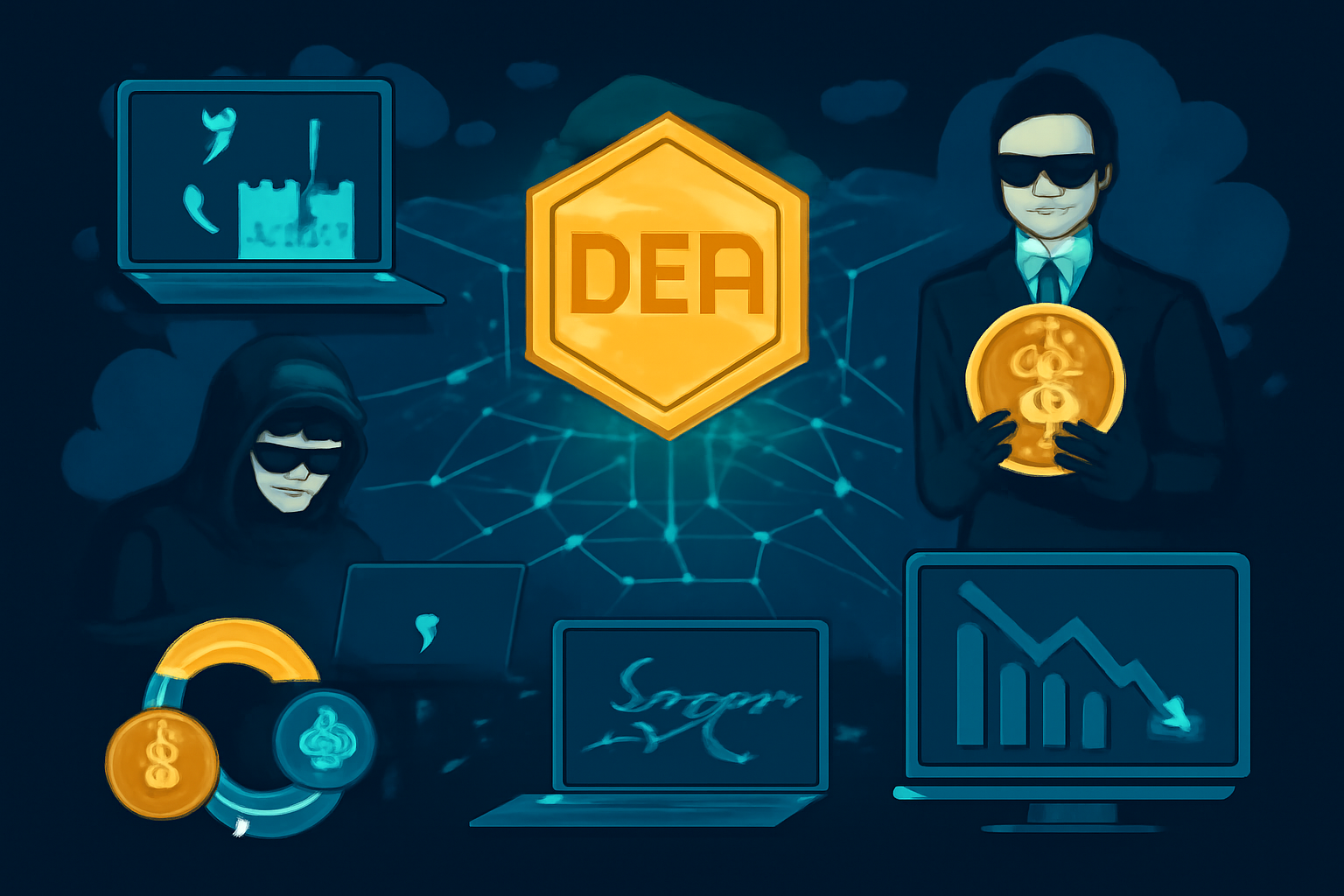
The rise of Decentralized Finance (DeFi) has transformed the financial landscape, offering unprecedented opportunities for innovation and financial inclusion. With DeFi, individuals can engage in financial transactions without intermediaries like banks, enabling peer-to-peer lending, borrowing, and trading. However, alongside these opportunities comes a dark side—fraud. As the DeFi space grows rapidly, so too does the sophistication of fraudulent activities. This article aims to provide an in-depth understanding of the potential of DeFi, the threats it faces, and how fraud manifests in this revolutionary sector.
What is DeFi?
DeFi is a collective term for a set of financial services and products built on blockchain technology, primarily on Ethereum. By utilizing smart contracts, DeFi eliminates the need for traditional intermediaries such as banks, brokers, or insurers. Users interact directly with decentralized applications (dApps) that provide services like lending, borrowing, trading, yield farming, and staking.
The primary appeal of DeFi is its decentralized nature, enabling anyone with an internet connection to participate in financial services without geographical or institutional barriers. Additionally, transactions are transparent and immutable, which theoretically enhances security and accountability.
DeFi’s Rapid Growth and Its Attractiveness for Fraudsters
DeFi’s growth has been explosive, with billions of dollars locked in decentralized protocols. However, its decentralized, pseudonymous, and often unregulated nature makes it an attractive target for malicious actors. While DeFi offers immense benefits, its unregulated environment means that it is also ripe for exploitation by fraudsters who take advantage of gaps in security, poor smart contract coding, and the inexperience of users.
Types of Fraud in DeFi
Fraud in DeFi takes various forms, and understanding these threats is crucial for users looking to navigate this space safely. Below are the most common types of fraud in DeFi:
1. Rug Pulls
A rug pull is one of the most prevalent types of fraud in DeFi. It occurs when developers of a decentralized project or token pull all liquidity from a project and disappear with investors’ funds. This usually happens in the early stages of a project when there is little to no oversight. In many cases, the project’s creators appear legitimate, but once they’ve attracted enough capital, they abandon the project, leaving users with worthless tokens.
Rug pulls are especially common in the decentralized exchange (DEX) and yield farming sectors. Unsuspecting investors may be lured by high returns or promising whitepapers, only to be left with nothing when the rug pull occurs.
2. Phishing Attacks
Phishing attacks in DeFi are designed to trick users into revealing their private keys, recovery phrases, or other sensitive information. Fraudsters often impersonate legitimate DeFi projects, offering fake links to phishing sites or fake airdrops to steal users’ credentials. Once the attacker gains access to a wallet, they can drain funds or use the account for illicit activities.
Phishing attacks have become particularly rampant in the DeFi ecosystem, where many users are still unfamiliar with security best practices. It’s essential for users to only interact with verified platforms and never share sensitive information.
3. Smart Contract Vulnerabilities
Smart contracts are self-executing agreements coded into the blockchain, but their complexity can lead to vulnerabilities. Fraudsters can exploit weaknesses in smart contracts to steal funds, manipulate tokenomics, or even override crucial functionalities. Common vulnerabilities include reentrancy attacks, logic flaws, and inadequate validation of inputs.
In some cases, fraudulent smart contracts are intentionally designed with hidden backdoors, allowing developers to withdraw funds at any point. These exploits underscore the need for robust auditing and testing before deploying smart contracts on DeFi platforms.
4. Flash Loan Attacks
Flash loans are a feature of DeFi platforms that allow users to borrow large sums of capital without collateral, as long as the loan is paid back within the same transaction. While useful for legitimate purposes, these loans can also be exploited by malicious actors to manipulate the price of assets or carry out “oracle manipulation” attacks.
In a flash loan attack, an attacker takes out a flash loan, manipulates the market, and profits from the price change before repaying the loan. Flash loans enable rapid exploitation because they can be executed in a single transaction, bypassing traditional loan requirements.
5. Pump and Dump Schemes
DeFi projects often see the rise of pump-and-dump schemes, where fraudulent groups artificially inflate the price of a token by promoting it through social media, influencers, or Telegram channels. Once the price reaches a certain point, the fraudsters sell off their holdings, causing the price to crash and leaving retail investors with losses.
These schemes are particularly dangerous because they prey on inexperienced users looking for quick profits in the volatile DeFi space. The absence of regulation in DeFi markets exacerbates the issue, as these fraudulent schemes can go undetected for extended periods.
Mitigating Fraud in DeFi: Best Practices
While the risks in DeFi are significant, they are not insurmountable. There are several practices that users and developers can adopt to reduce the chances of falling victim to fraud.
- Do Thorough Research: Before interacting with a DeFi project, ensure that it is reputable. Look for reviews, independent audits, and the project’s history in the community.
- Use Audited Smart Contracts: Smart contracts should undergo a rigorous auditing process to ensure that they are free from vulnerabilities. Auditing firms like CertiK, Trail of Bits, and ConsenSys Diligence are trusted in the industry.
- Enable Two-Factor Authentication (2FA): Use 2FA wherever possible to add an additional layer of security to your accounts.
- Be Cautious of Unverified Links: Always check URLs before interacting with DeFi platforms. Fake websites are common, and one wrong click could result in significant losses.
- Stay Informed: The DeFi space is rapidly evolving, and keeping up-to-date with new threats and security best practices is crucial. Engaging with communities such as Reddit, Twitter, or DeFi-specific forums can provide valuable insights.
Conclusion
The DeFi revolution holds the potential to democratize finance and create new opportunities for individuals worldwide. However, with this potential comes a range of threats, particularly fraud, that users need to be aware of. Fraud in DeFi, including rug pulls, phishing, and flash loan attacks, represents significant risks, but by staying informed, using trusted platforms, and employing sound security practices, users can navigate the space more safely. As DeFi matures, greater regulation, improved security practices, and smarter technology solutions will likely reduce fraud and make decentralized finance a safer space for all participants.