
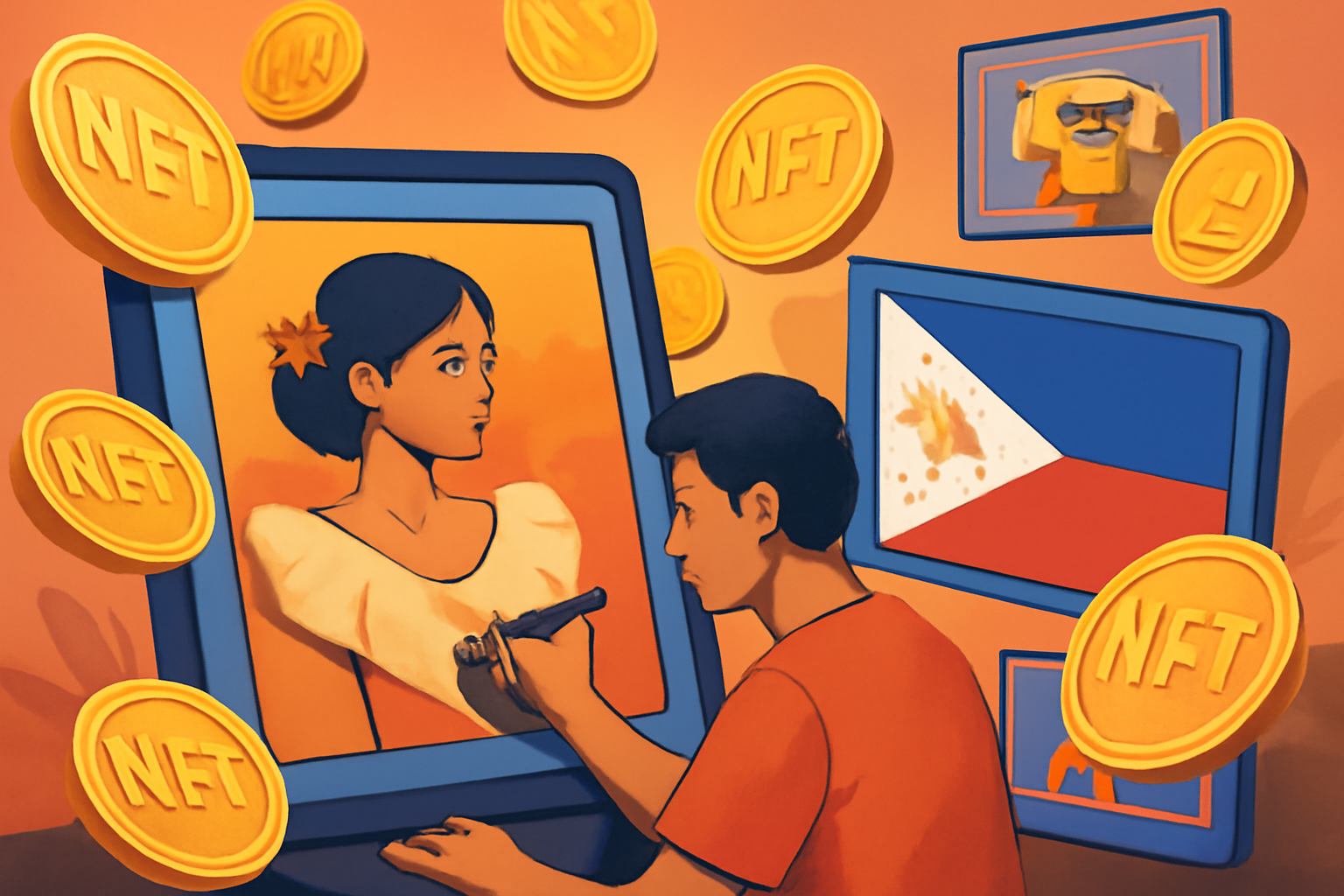
In recent years, Non-Fungible Tokens (NFTs) have taken the digital world by storm, revolutionizing the way we understand ownership, art, and collectibles. While many associate NFTs with trends like digital art and virtual assets, one of the most fascinating developments is how countries like the Philippines are incorporating NFTs into the world of art and digital collectibles. This phenomenon isn’t just about buying and selling unique digital assets; it’s about reshaping the entire art ecosystem, offering new opportunities for local artists and collectors alike. Let’s explore how the Philippines is embracing this cutting-edge technology to redefine art ownership and cultural expression.
Understanding NFTs and Digital Collectibles
Before delving into the specifics of the Philippines’ use of NFTs, it’s crucial to first understand what NFTs are and how they work. NFTs are unique digital assets verified on a blockchain, which is a decentralized digital ledger. Unlike cryptocurrencies like Bitcoin or Ethereum, which are fungible (interchangeable), NFTs are non-fungible, meaning each token is distinct and cannot be replaced with something else. This uniqueness is what makes NFTs ideal for representing digital art, music, videos, and other forms of intellectual property.
For artists, NFTs provide a new way to sell their work. Instead of relying on traditional galleries or auction houses, artists can directly engage with their audience through platforms that support NFTs. Buyers, on the other hand, can invest in digital art with the confidence that they own a unique piece, verified through the blockchain, with a permanent record of authenticity.
NFTs in the Philippines: A New Creative Frontier
The Philippines has long been home to a vibrant arts scene, with a rich cultural heritage spanning traditional and modern artistic expressions. With the rise of NFTs, Filipino artists have found an exciting way to expand their reach globally while maintaining a connection to their local roots. From paintings to animated GIFs, music tracks to virtual art exhibitions, NFTs have provided artists with new tools for creativity and financial growth.
1. Empowering Local Artists
One of the most profound impacts of NFTs in the Philippines has been the empowerment of local artists. Traditionally, many Filipino artists faced barriers when it came to selling their works, such as limited access to galleries or international exposure. NFTs eliminate these barriers, giving artists a global marketplace and direct access to buyers worldwide.
Platforms like OpenSea, Rarible, and Mintable have become popular destinations for Filipino creators to showcase and sell their work as NFTs. Notably, Filipino artists are creating everything from digital renditions of traditional Filipino art to completely new forms of digital expression. By tapping into the NFT market, these artists can bypass intermediaries and retain more of the revenue from their sales.
Moreover, NFT sales can include royalties, which means that every time an artwork is resold on the secondary market, the original artist earns a percentage. This has proven to be a game-changer for artists in the Philippines, who previously had limited opportunities for ongoing revenue from their art once it was sold.
2. Cultural Significance and Representation
NFTs also provide a new avenue for preserving and showcasing Filipino culture. For many Filipino artists, digital art is an opportunity to explore and express their cultural identity, creating pieces that reflect both traditional Filipino themes and modern innovations. Some NFTs feature iconic Philippine imagery, such as traditional weaving patterns, local folklore, or even famous Filipino personalities.
For example, the emergence of Filipino NFT projects like “Bayanihan” or “Pinoy NFT” aims to promote Filipino art and culture within the global NFT space. This helps establish the Philippines as a significant player in the international art scene while fostering pride in local heritage. In this way, NFTs aren’t just a new economic opportunity—they also serve as a platform for cultural preservation and celebration.
3. Community Building and Virtual Art Exhibitions
NFTs also enable Filipino artists and collectors to build vibrant online communities. In addition to showcasing their work, Filipino creators are using platforms like Discord and Telegram to engage with fans, share updates, and collaborate with fellow artists. Through these communities, artists can receive valuable feedback, increase their visibility, and even collaborate on larger NFT projects.
Virtual exhibitions, which were once a novelty, have also become commonplace. Filipino artists have begun organizing online art shows and NFT auctions, where collectors can view and purchase digital art in a 3D virtual space. These digital spaces replicate the experience of physical galleries but are more accessible to global audiences. For instance, platforms like Decentraland and Cryptovoxels host virtual galleries where Filipino NFTs are showcased to a worldwide audience, further solidifying the Philippines’ role in the NFT art movement.
Challenges and Future Prospects
Despite the promising growth of NFTs in the Philippines, there are some challenges that need to be addressed. First and foremost is the issue of education and awareness. Many Filipino artists and collectors are still unfamiliar with how NFTs work, and there are concerns about the environmental impact of blockchain technology. However, as more people learn about NFTs and blockchain, these concerns can be addressed, and the benefits can outweigh the drawbacks.
Moreover, the volatility of the NFT market poses a risk to both creators and collectors. While some NFTs have sold for millions of dollars, others have struggled to find buyers, creating a speculative environment that could potentially harm the long-term sustainability of the market.
Nonetheless, the future of NFTs in the Philippines looks promising. As more local artists, tech enthusiasts, and collectors embrace the technology, NFTs are likely to play an even larger role in the country’s cultural and economic landscape.
Conclusion
NFTs are transforming the way art is bought, sold, and consumed worldwide, and the Philippines is no exception. From empowering local artists to fostering a global community of digital collectors, NFTs are providing fresh opportunities for creativity, commerce, and cultural preservation. As the Philippines continues to explore the potential of this new technology, the world is watching as Filipino creators make their mark in the digital art space. The evolution of NFTs in the Philippines is not just about technology—it’s about creating a space for Filipino culture and innovation to thrive on the global stage.