
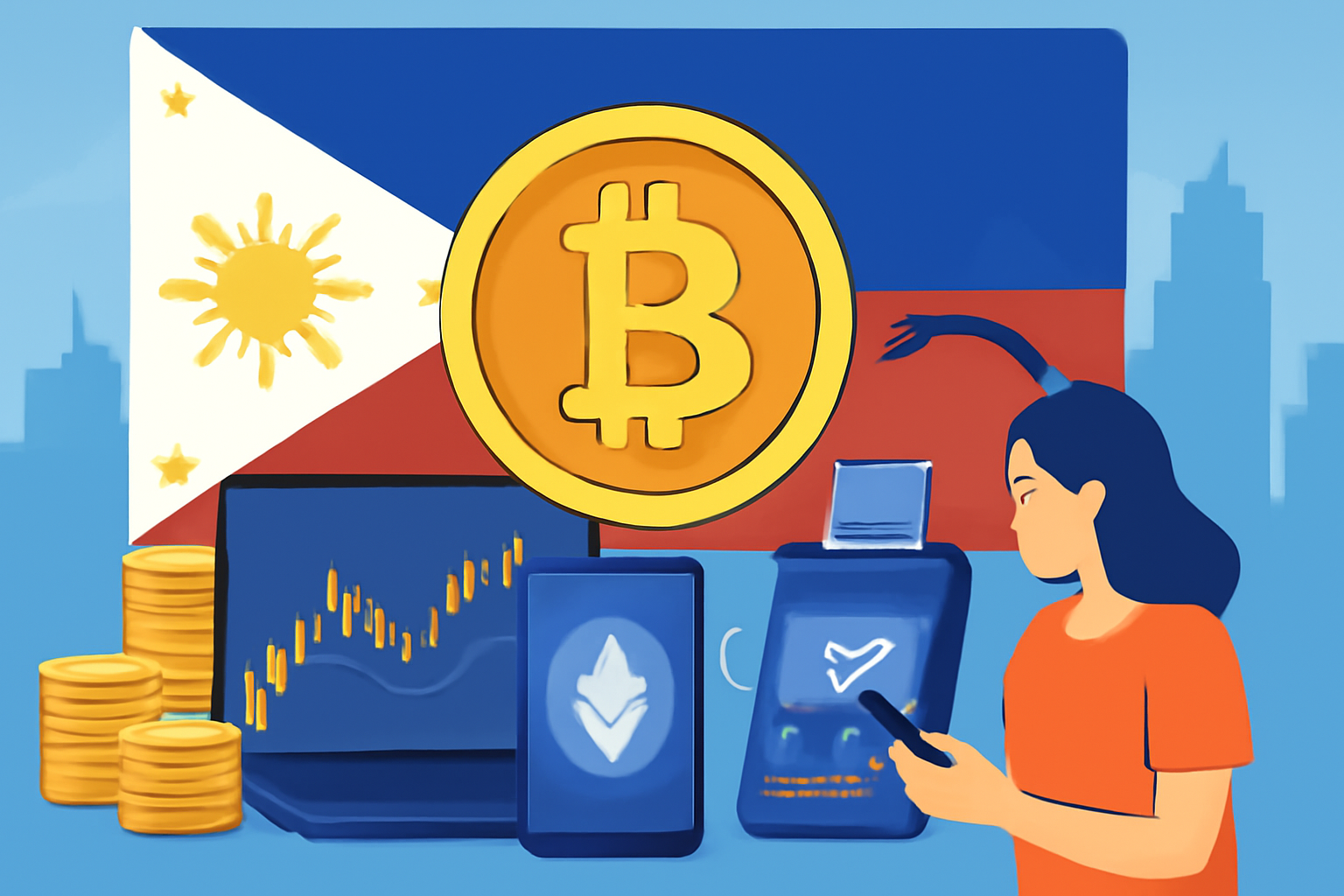
The Philippines has become one of the most notable countries in Southeast Asia for cryptocurrency adoption. Over the past few years, the country has experienced a surge in the use of digital currencies, driven by factors ranging from remittance flows to a young, tech-savvy population. While cryptocurrency began as a speculative investment vehicle through trading, its application has expanded into practical payment solutions, paving the way for broader economic integration. This article explores the key trends of crypto adoption in the Philippines, focusing on both trading and payment solutions, to understand how digital currencies are transforming the nation’s financial landscape.
1. A Thriving Crypto Trading Ecosystem
Cryptocurrency trading in the Philippines has seen substantial growth in recent years. According to the Philippine Central Bank (Bangko Sentral ng Pilipinas or BSP), the country has been actively encouraging digital innovation, and cryptocurrencies are now recognized as a legitimate asset class. Filipinos have embraced trading in Bitcoin, Ethereum, and other digital assets, with numerous platforms offering easy access to buy and sell digital currencies.
One of the significant driving factors is the global popularity of crypto trading and the increased interest from retail investors. Platforms like Binance, Coins.ph, and PDAX have gained traction, offering a user-friendly interface for novice and experienced traders alike. The accessibility of these platforms has allowed Filipinos to engage in crypto trading with relatively low barriers to entry. Additionally, the rise of social media and crypto influencers has helped increase awareness and confidence among traders.
Remittances, which are a vital part of the Philippine economy, are also closely tied to the growth of cryptocurrency adoption. Crypto provides a cost-effective and faster alternative to traditional remittance methods, offering a competitive edge for traders looking to leverage digital currencies for cross-border transfers.
2. Regulatory Developments: The Role of BSP and Government Support
The Philippine government has played a key role in encouraging cryptocurrency adoption while implementing regulations to ensure security and compliance with anti-money laundering (AML) laws. In 2017, the BSP officially recognized cryptocurrencies as a legitimate asset class and provided guidelines for virtual asset service providers (VASPs). This recognition has made the Philippines one of the more crypto-friendly countries in Southeast Asia.
Through regulations, the BSP aims to safeguard consumers and the financial system, ensuring that cryptocurrency exchanges adhere to know-your-customer (KYC) standards and proper reporting mechanisms. These measures have built a sense of trust, which is crucial for mainstream adoption. The government has also created tax policies around cryptocurrency transactions, which provide clarity and prevent illegal activity, contributing to the sector’s growth.
In addition, the Philippine government has implemented the Digital Payments Transformation Roadmap, which envisions increasing the number of digital transactions in the country. This roadmap indirectly benefits the adoption of crypto-based payment systems as it pushes for the overall digitization of financial services.
3. From Trading to Payment Solutions
The use of cryptocurrency in the Philippines is not limited to trading. One of the most exciting trends is the growing use of digital currencies for everyday transactions. As the infrastructure around cryptocurrency continues to develop, businesses and consumers are exploring more ways to use crypto for payments, whether it’s for online shopping, remittances, or even in physical stores.
Several businesses have begun accepting cryptocurrencies like Bitcoin and Ethereum as payment. From e-commerce platforms to small retailers, the Philippines is seeing a steady rise in merchants willing to accept digital currencies. The Philippines’ vibrant digital economy is an ideal environment for these crypto payment solutions to flourish. Moreover, the rise of “crypto-enabled” mobile wallets like Coins.ph and GCash has made it easier for Filipinos to pay for goods and services using their crypto holdings.
A significant factor contributing to this trend is the increasing awareness and integration of blockchain technology. Blockchain offers a decentralized, transparent, and secure way to process transactions, which appeals to consumers and merchants alike. As businesses begin to integrate blockchain and crypto solutions, they can offer faster, cheaper, and more secure payment methods, which are particularly beneficial for the unbanked population in the Philippines.
4. Cross-Border Remittances and Financial Inclusion
One of the most impactful applications of cryptocurrency in the Philippines is in cross-border remittances. The Philippines is one of the world’s largest recipients of remittances, with millions of Overseas Filipino Workers (OFWs) sending money back to their families. Traditional remittance channels often involve high fees and delays, which can be a significant burden for those relying on these funds.
Cryptocurrency offers a viable alternative for these cross-border transfers, with its decentralized nature allowing users to send money directly to their families at lower costs and with fewer delays. Several remittance services in the Philippines have begun to incorporate cryptocurrency solutions, such as Bitcoin and stablecoins, to facilitate remittances. This has improved financial inclusion, as many Filipinos, especially in rural areas, have limited access to traditional banking services.
Additionally, the use of cryptocurrency helps mitigate the volatility often associated with foreign exchange rates, offering stability to both senders and receivers. For OFWs and their families, crypto offers a faster, cheaper, and more efficient way to transfer funds globally.
5. Challenges and the Road Ahead
While the adoption of cryptocurrency in the Philippines is promising, challenges remain. Issues such as volatility, regulatory uncertainties, and cybersecurity concerns could impede further growth. The government and financial institutions will need to continue refining regulations to strike a balance between innovation and security. Moreover, more education and awareness campaigns will be necessary to bring crypto solutions to a broader segment of the population.
However, despite these challenges, the future of cryptocurrency in the Philippines looks promising. As more people turn to digital currencies for both investment and practical use, the trend toward crypto adoption is likely to continue. Innovations in blockchain technology, along with regulatory clarity, will be key factors in accelerating this transformation.
Conclusion
The Philippines is rapidly transitioning from a crypto trading hub to a country where digital currencies are becoming an integral part of daily life. With robust trading platforms, supportive regulations, and increasing merchant adoption, crypto is moving beyond speculation to become a practical tool for payments and remittances. As the country continues to embrace the potential of blockchain and cryptocurrency, it is well on its way to becoming a global leader in digital finance and innovation.