
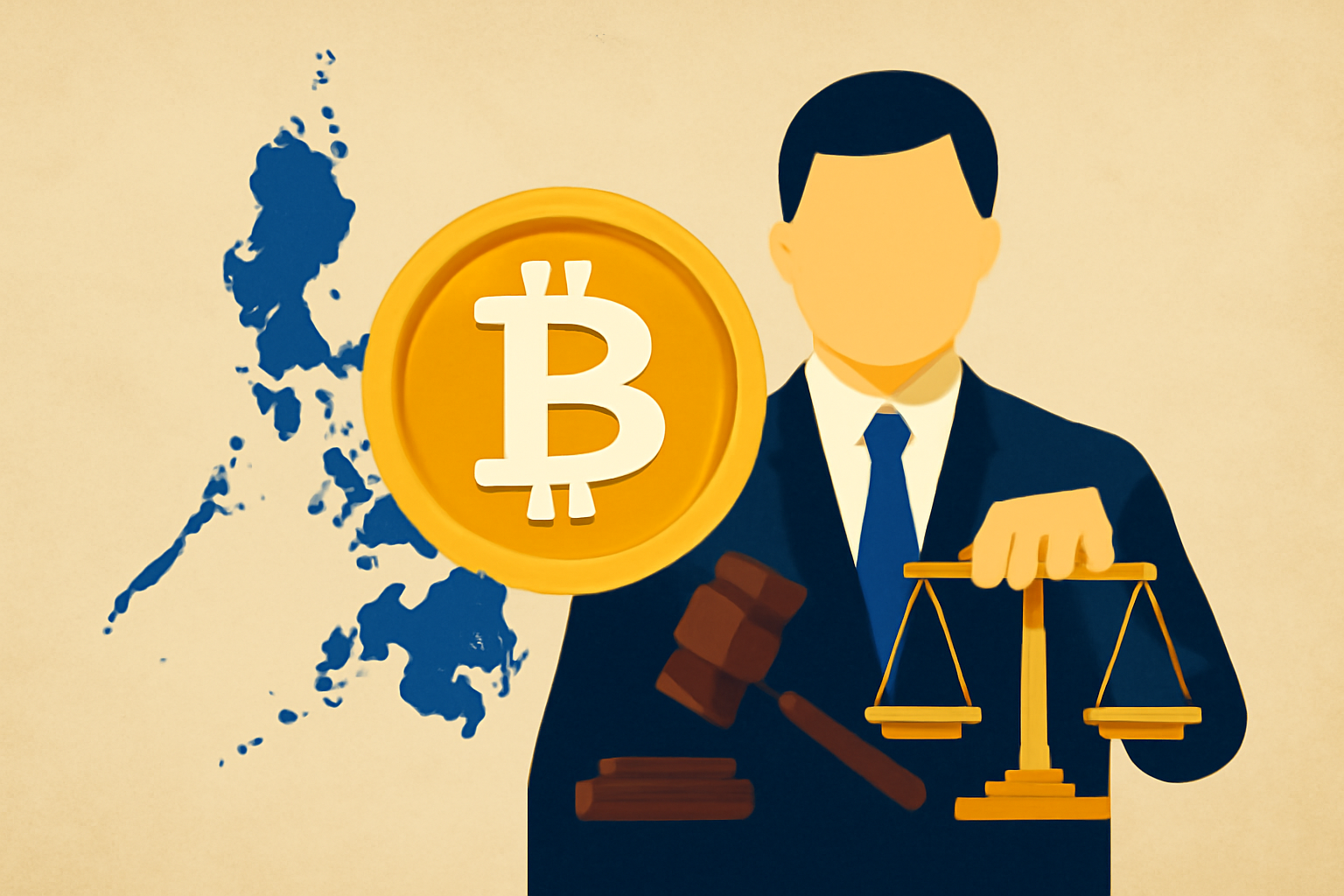
The cryptocurrency market in the Philippines has been experiencing substantial growth in recent years. As more people and businesses turn to digital currencies for investment, transactions, and innovation, the role of government regulation has become increasingly critical. The Philippine government has been actively creating policies and regulations surrounding cryptocurrencies to ensure the market remains stable, secure, and compliant with international standards. In this article, we will explore the impact of government regulations on the cryptocurrency market in the Philippines, considering both the positive and negative consequences.
Overview of the Philippine Crypto Landscape
The Philippines has gained recognition as one of the most crypto-friendly nations in Southeast Asia. This can be attributed to its large, unbanked population and a growing number of fintech companies that have embraced blockchain and cryptocurrency technology. According to the Bangko Sentral ng Pilipinas (BSP), as of 2021, the country saw a significant increase in the adoption of digital assets, especially for remittances and online payments.
Several Philippine-based crypto exchanges, such as PDAX, Coins.ph, and Bitbit, have become crucial platforms for local crypto enthusiasts. Furthermore, the Philippines is home to one of the first national government-backed cryptocurrency initiatives — the “Philippine Digital Currency” pilot program, which tests blockchain-based technology for financial inclusion.
However, the growing popularity of digital currencies has prompted the government to introduce regulations to balance innovation with security, financial stability, and consumer protection.
Regulatory Bodies and Frameworks
The primary regulatory body overseeing the crypto market in the Philippines is the Bangko Sentral ng Pilipinas (BSP), the central bank of the country. BSP has made significant strides in shaping a clear regulatory framework for cryptocurrency activities. In 2017, it issued Circular No. 944, which provided guidelines for virtual currency exchanges operating in the country. The circular mandates that crypto exchanges register with the BSP and comply with Anti-Money Laundering (AML) and Counter-Terrorism Financing (CTF) laws.
Additionally, in 2019, the Securities and Exchange Commission (SEC) also released regulations for Initial Coin Offerings (ICOs) and the trading of security tokens. This aims to protect investors from fraudulent activities and ensure transparency in the digital asset market.
In 2022, the government began introducing a Crypto Asset Policy in line with international recommendations from the Financial Action Task Force (FATF). The policy emphasizes that cryptocurrencies should be treated like any other financial asset, subjecting them to the same legal frameworks, such as taxation and investor protection laws.
Positive Impacts of Government Regulations
- Enhanced Security and Trust
One of the significant benefits of government regulation is the increase in market security and the protection it offers to consumers and businesses. With clear regulations in place, such as AML and KYC (Know Your Customer) protocols, the Philippines crypto market is less susceptible to illegal activities like money laundering, fraud, and terrorism financing. These measures enhance investor trust, which is crucial for sustaining long-term growth in the crypto space. - Encouragement of Innovation and Investment
Government-backed regulation creates a clear and predictable environment for crypto companies. This encourages international and local businesses to set up operations in the Philippines, fostering innovation in the fintech sector. Regulatory clarity provides companies with a roadmap for compliance, making the Philippines an attractive destination for investment in blockchain technologies and crypto-related businesses. - Consumer Protection
As the crypto market grows, so do concerns over investor protection. Regulation provides a framework that helps safeguard consumers from scams and fraudulent schemes. The requirement for licensed exchanges and ICOs to adhere to rules and regulations means that investors are more likely to engage in a safe environment, where their rights are protected.
Negative Impacts of Government Regulations
- Stifling Innovation
While regulations can provide security, excessive oversight can sometimes hinder the innovative spirit of the crypto market. Some industry players argue that overly stringent regulations could discourage the development of new blockchain-based solutions, as it may increase compliance costs and administrative burdens. Startups, in particular, may struggle with the financial and technical resources required to adhere to all the regulatory requirements. - Limited Access for Smaller Players
While larger crypto exchanges and businesses are more likely to comply with the regulatory framework, smaller players in the industry may face difficulties entering the market. The licensing process can be expensive and time-consuming, which could create barriers to entry for smaller businesses or new entrepreneurs. This could result in a market dominated by a few large players, reducing competition and limiting consumer choices. - Regulatory Uncertainty
Despite the efforts of BSP and other agencies, some aspects of the regulation around cryptocurrencies in the Philippines remain unclear. Issues related to tax reporting, classification of digital assets, and cross-border transactions continue to evolve. The lack of a unified regulatory approach can create confusion for both businesses and consumers, potentially undermining confidence in the market.
Conclusion
The impact of government regulations on the crypto market in the Philippines is a double-edged sword. On one hand, regulations provide essential protections for consumers, encourage innovation, and improve the credibility of the sector. On the other hand, they can impose challenges on startups, discourage experimentation, and limit access for smaller players.
As the global regulatory environment for cryptocurrencies continues to evolve, it is crucial for the Philippine government to strike a balance between fostering innovation and ensuring security and consumer protection. The country’s proactive approach to crypto regulation can serve as a model for other nations in Southeast Asia, as long as the regulations remain adaptable to the fast-paced developments in blockchain and cryptocurrency technology.
In the coming years, the success of government regulations in the Philippines will depend on its ability to remain flexible while keeping up with emerging trends in the crypto world. With the right framework, the Philippines could become an even more attractive hub for cryptocurrency and blockchain innovation, benefiting both investors and entrepreneurs alike.