
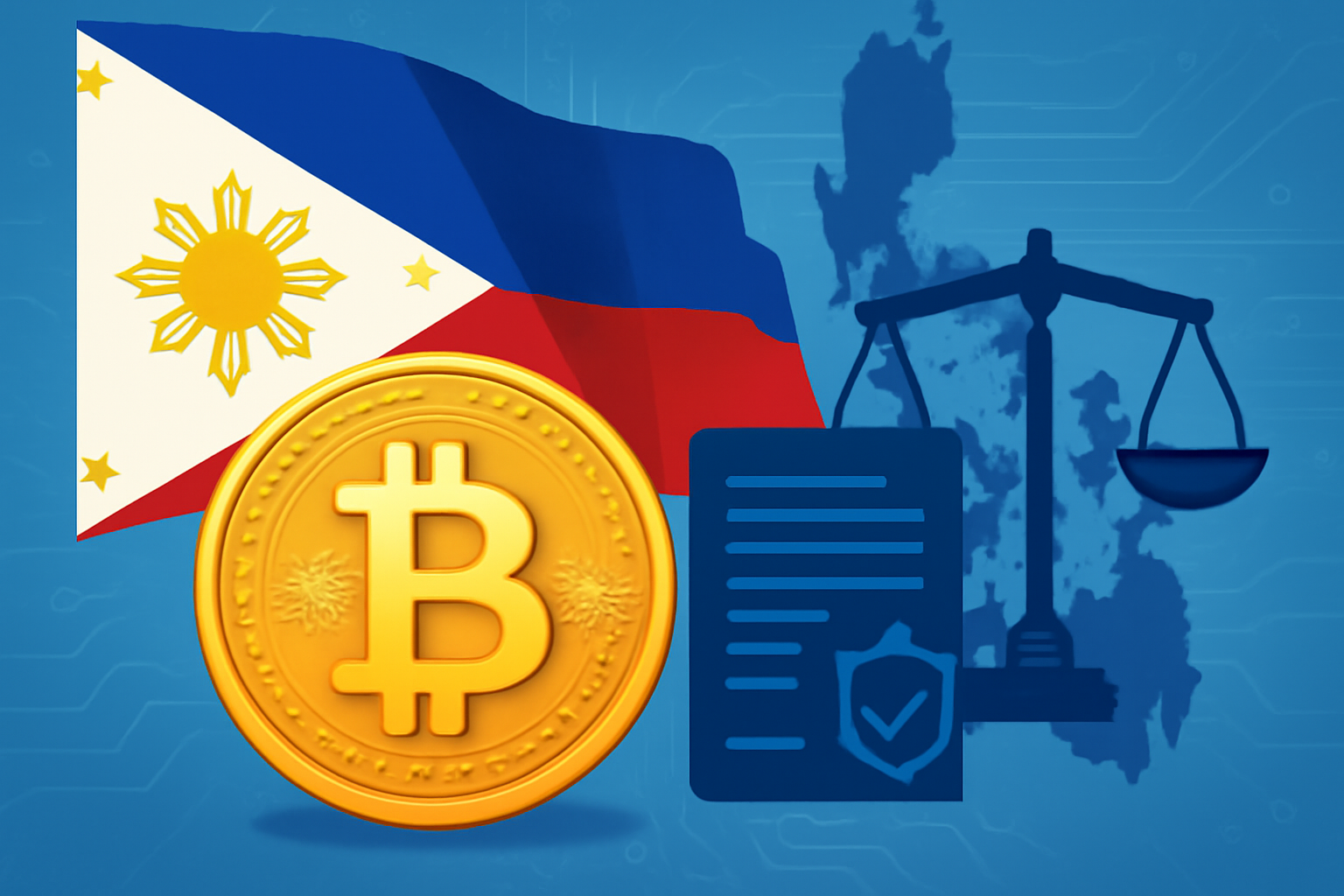
Cryptocurrency has become a hot topic globally, and the Philippines is no exception. The country has shown high interest in the development of blockchain technology and crypto, both in terms of usage and regulation. The Philippines is known for its high rate of cryptocurrency adoption, even being one of the leading countries in terms of crypto usage for various transactions. However, with the rapid growth potential, the Philippine government has formulated several policies to ensure proper management and regulation of this industry. What are the latest developments regarding cryptocurrency regulation in the Philippines? Here’s an in-depth discussion.
1. Background of Cryptocurrency Regulation in the Philippines
In 2017, the Philippines began adopting a more open approach to cryptocurrency. The Bangko Sentral ng Pilipinas (BSP), the country’s central bank, issued its first guidelines for cryptocurrency that year, allowing crypto companies to operate legally in the Philippines, provided they registered and obtained approval from the BSP. With this step, the Philippines demonstrated its readiness to become a cryptocurrency hub in Southeast Asia.
However, despite the rapid adoption of crypto, the lack of clear regulations and potential risks to consumers and the financial system led the government to update its crypto regulations.
2. Recent Regulatory Changes
In early 2023, the Bangko Sentral ng Pilipinas (BSP) introduced stricter guidelines for crypto operators. One major change was the increased requirement for crypto companies to report suspicious transactions and the obligation to implement stronger Anti-Money Laundering (AML) systems. This move was aimed at ensuring that the cryptocurrency sector is not misused for illegal activities such as money laundering and terrorism financing.
Additionally, the BSP announced the establishment of clearer legal frameworks for digital tokens and more complex assets. This regulation aims to ensure that crypto investments are made in a safer manner, with better protection for consumers.
3. Establishment of the Bureau of Treasury’s Digital Currency (BTR)
A significant development has been the establishment of the Bureau of Treasury’s Digital Currency (BTR) under the Department of Finance of the Philippines. The BTR is responsible for overseeing the issuance and use of government-backed digital assets, such as a digital peso or e-peso. The plan to create a Central Bank Digital Currency (CBDC) has become part of the Philippine government’s financial policy, aiming to integrate blockchain technology into the country’s payment system.
Through CBDC, the Philippines aims to create a more transparent and efficient monetary system. The digital peso is expected to promote financial inclusion, particularly for those without access to traditional banking systems, while maintaining economic stability.
4. Increased Consumer Protection and Security
Consumer protection has become a top priority in the Philippines’ crypto regulations. One of the main steps taken is encouraging crypto companies to adhere to stricter transparency standards and provide clear information regarding the risks associated with crypto investments. In this regard, the BSP also reminds the public to exercise caution and avoid being lured by promises of high returns without a proper understanding of the risks involved.
Moreover, these new regulations require crypto exchanges to implement more stringent security measures to protect users’ assets. Cybersecurity, a critical issue in the crypto world, is being strengthened with regulations demanding the use of encryption technology and more advanced data protection protocols.
5. Collaboration with the Private Sector and International Partners
The Philippines is also actively collaborating with the private sector, both domestically and internationally, to strengthen its crypto ecosystem. The Philippine government recognizes that cooperation between regulators and crypto companies will be essential in creating a secure and thriving crypto environment.
Additionally, the Philippines is working to bolster its position in the global crypto market by engaging with various countries and international institutions. The Philippines has hosted several events related to blockchain and cryptocurrency, including meetings with international stakeholders who share insights into global developments and how the Philippines can adapt its policies to remain competitive.
6. Challenges and Prospects for the Future
While stricter regulations may provide a sense of security for consumers and investors, some challenges remain. One such concern is how the regulations can accommodate innovation without stifling the growth of the sector. There is a worry that overly restrictive regulations could reduce the interest of investors and entrepreneurs eager to invest in or launch crypto-related businesses in the Philippines.
Furthermore, even though the Philippines has adopted a more open policy toward cryptocurrency, issues such as crypto volatility and potential systemic risks continue to be a concern. The Philippine government needs to balance providing consumer protection with ensuring the healthy development of the crypto ecosystem.
7. Conclusion
Cryptocurrency regulation in the Philippines has undergone significant developments in recent years. The latest measures taken by the Bangko Sentral ng Pilipinas and the government aim to ensure that the crypto sector develops in a safe and sustainable manner, with better protection for consumers and the financial system. With further integration of blockchain technology and initiatives like the issuance of the digital peso, the Philippines is positioning itself as a leader in fintech in Southeast Asia. However, challenges in regulating this rapidly evolving industry remain, and thoughtful policy-making is needed to maintain a balance between fostering innovation and protecting all parties involved.