
The Fishball That Went Blockchain: A Street Food Revolution
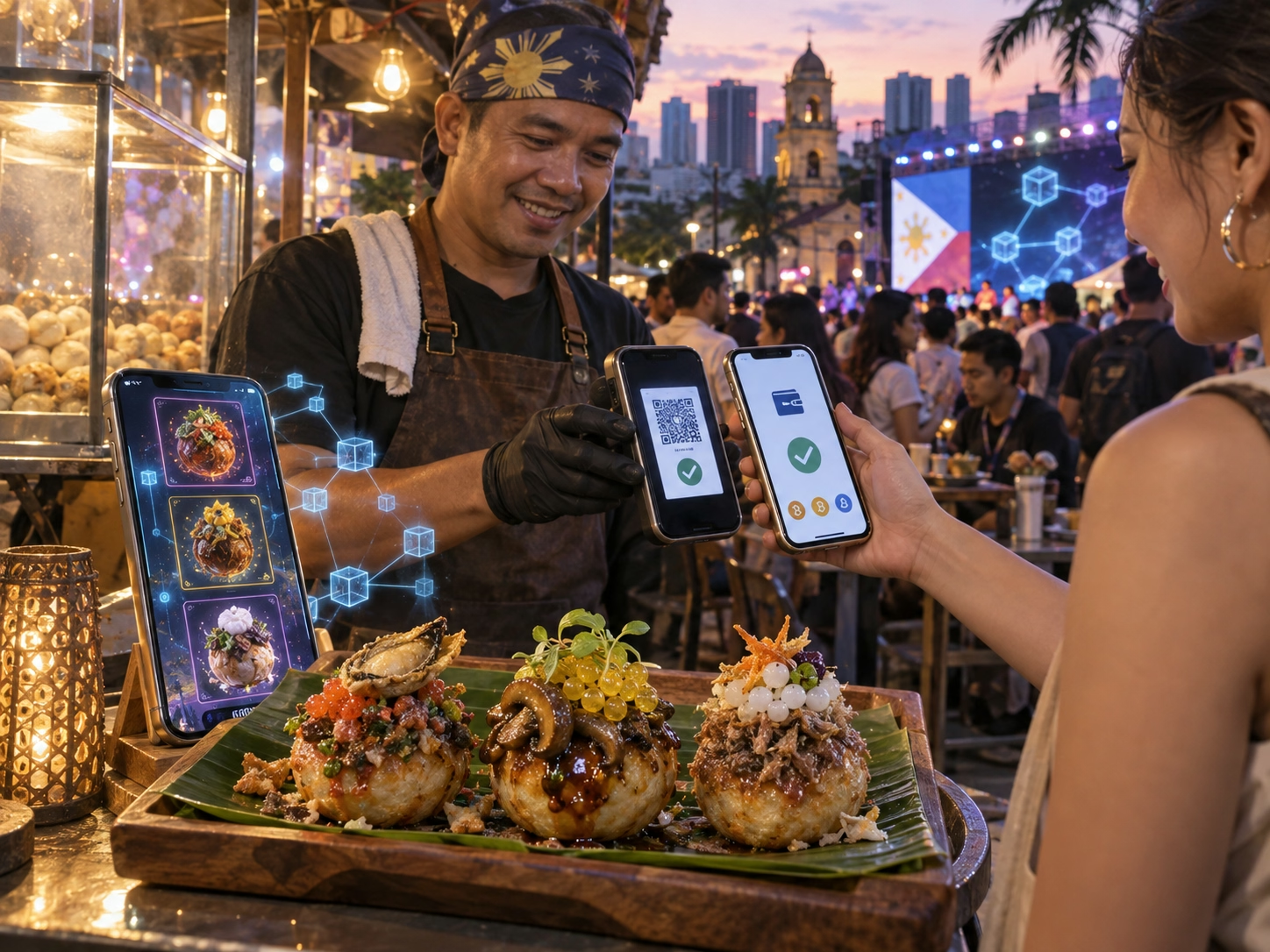
In the heart of Manila, where the scent of frying oil curls through narrow streets and crowds gather around their favorite manong, something unexpected is sizzling—not just the fishballs, but the blockchain itself. Philippine Blockchain Week (PBW) 2025, in collaboration with creative powerhouse Cochi and culture hub Kondwi, introduced “Fishblock”—a luxury street food experience where every order comes bundled with a non-fungible token (NFT) minted on Bayanichain, the Philippines’ homegrown blockchain platform.
Celebrity restaurateur Marvin Agustin spearheaded the initiative, crafting a three-piece gourmet fishball inspired by Luzon, Visayas, and Mindanao. The Luzon variant features sisig flavors with fried oysters and calamansi caviar; the Visayas version draws from humba with mushrooms and pineapple caviar; and the Mindanao iteration pays homage to chicken pastil topped with duck flakes and coconut caviar. The catch? You cannot buy these fishballs with cash or card—only cryptocurrency via GCash’s GCrypto feature, priced at P400 per order.
This is not merely a culinary gimmick. Each transaction is recorded on the blockchain, transforming a humble street snack into a transparent, traceable digital moment. The accompanying NFTs, designed by emerging Filipino artists, serve as blockchain-authenticated limited-edition collectibles, effectively turning a disposable snack into a permanent digital asset.
Bored & Hungry: Where Apes Meet Appetites
While Fishblock represents the grassroots approach, Bored & Hungry—the world’s first NFT-themed restaurant—has taken the concept to commercial scale. Inspired by the Bored Ape Yacht Club digital art collection, the brand opened its first Asian branch at The Grid Food Market in Makati City and has since expanded to four locations across the Philippines, including a branch at Opus Mall in Pasig City.
In 2026, Bored & Hungry continues to innovate with localized offerings such as the OG Pinoy Burger, blending its NFT-driven identity with Filipino flavor profiles. The restaurant chain, now under the ownership of Hungry DAO, has announced ambitious expansion plans across Asia, with pop-ups and exclusive menus featuring collaborations with Netflix chefs.
Philippine Blockchain Week 2026: Trust as the New Currency
The momentum carried into 2026, when Philippine Blockchain Week returned from June 19 to 21 at the SMX Convention Center Manila under the theme “Future of Trust.” PBW President and co-founder Janelle Barretto emphasized that blockchain is “a trust and transparency technology” meant to solve real-life problems. Blockchain Council of the Philippines chairman Donald Lim underscored that trust has become “the most important infrastructure of the digital age,” noting that the challenge is no longer simply how to innovate, but how to innovate responsibly.
This philosophical shift matters for the culinary sector. When a fishball order generates an immutable record on Bayanichain, it demonstrates that blockchain can authenticate not just financial transactions but also culinary provenance—a critical concern for a country where food safety and authenticity remain persistent challenges.
Beyond the Hype: What This Means for Filipino Food Culture
The convergence of NFTs and Filipino cuisine is more than a technological curiosity. It represents a cultural bridge—making blockchain approachable through the universal language of food. As BitPinas reported, the FishBlock initiative aims to make blockchain more relatable while ensuring the dish remains delicious, featuring flavors inspired by the archipelago’s three major island groups.
For Filipino chefs and restaurateurs, NFTs offer new revenue streams: limited-edition digital collectibles tied to signature dishes, token-gated dining experiences, and verifiable authenticity certificates for heritage recipes. For consumers, the appeal lies in owning a piece of culinary history—a digital souvenir that proves they were there, they tasted it, and they were part of something larger than a meal.
The road ahead is not without skepticism. As SparkPoint CEO Ismael Jerusalem cautioned during a BitPinas webcast, the industry must avoid repeating past crypto mistakes and focus on solving real problems rather than creating solutions in search of problems. Yet the trajectory is clear: in the Philippines, the future of food is increasingly digital, and the blockchain is setting the table