
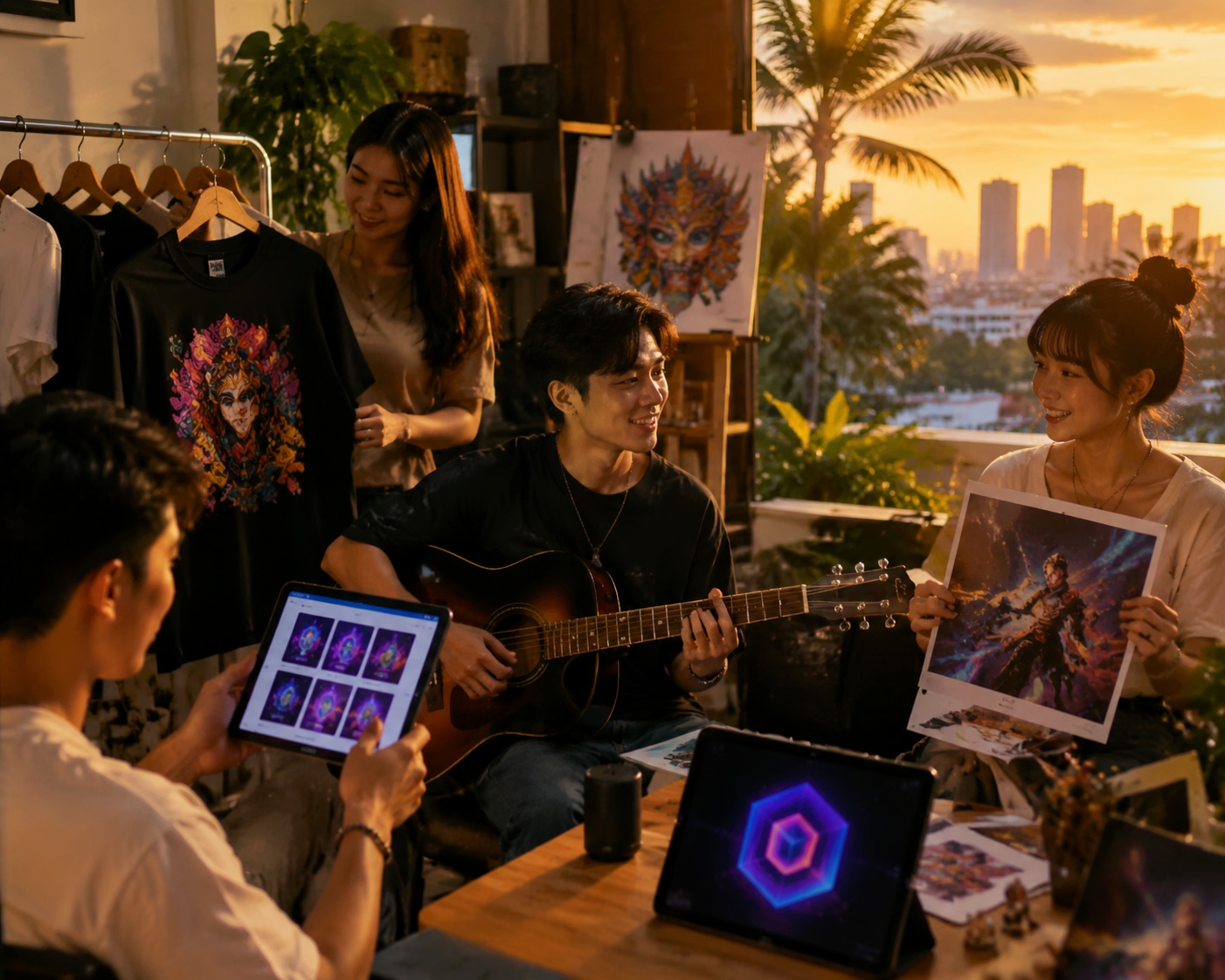
The creator industry in the Philippines is among the most dynamic in Southeast Asia. With high social media consumption rates and a young, digitally savvy population, the country is often dubbed the “Social Media Capital of the World.” Yet behind that virality lies a structural problem: monetization that depends on unstable advertising and sponsorship revenue.
Entering 2026, that paradigm is shifting. Non-Fungible Tokens (NFTs) are no longer seen merely as tools for selling digital art at astronomical prices. Instead, NFTs have matured into utility instruments that allow Filipino creators to build sustainable micro-economies, especially through local platforms that understand the domestic market context.
The 2026 Market Context: From Hype to Utility
The global NFT market crash of 2022 and 2023 filtered out projects lacking strong fundamentals. What remains in 2026 are projects offering real utility: community access, event tickets, perpetual royalties, and digital identity.
According to a recent report from local blockchain analytics platform BitPinas, NFT transaction volume in the Philippines showed a stable recovery trend throughout the first quarter of 2026. This recovery is driven by NFT integration into the local entertainment and gaming sectors, not by price speculation. This data confirms that creators adopting the technology now are well-positioned for long-term growth.
The Local Platform Ecosystem as a Catalyst
One of the biggest barriers for Filipino creators previously was high gas fees on global blockchains like Ethereum and the complex process of converting cryptocurrency to Philippine Pesos. By 2026, those barriers are eroding.
Local platforms now serve as crucial bridges. They offer direct integration with popular digital wallets in the Philippines, such as GCash and Maya. This is a massive shift. Creators no longer need to be crypto experts to sell NFTs; they simply upload content, set a price in Pesos, and receive payments directly to their bank accounts or e-wallets.
A concrete example is the collaboration between visual artists from Cebu and local e-commerce platforms that have begun adopting token-gated commerce features. In this model, creators sell physical merchandise (such as t-shirts or art prints) bundled with an NFT that serves as a certificate of authenticity and access to exclusive content. This transforms NFTs from mere digital files into part of a physical product experience.
Real-World Case: Indie Musicians and Token-Gated Concerts
The independent music scene in Manila is a perfect example of how NFTs work in 2026. Many indie musicians struggle to earn income from streaming due to low royalty values. As a solution, they are turning to NFT-based funding models on local platforms.
Instead of selling songs as MP3 files, musicians now sell “Lifetime Access Passes” or Eternal Tickets. These NFTs grant holders free access to all of the artist’s small concerts for a year, plus access to exclusive chat groups and voting rights on setlists.
The interesting angle here is how this model creates a symbiotic relationship. Fans are no longer just spectators; they become micro-investors. As the artist grows in popularity, the value of the access (and the potential resale value of the NFT) increases. This creates an incentive for fans to organically promote the artist.
Detailed Monetization Strategies for Creators
For content creators on YouTube or TikTok, NFTs offer a new revenue layer beyond AdSense. Here are three specific strategies emerging in the Philippines in 2026:
- Fractionalized Content Ownership:
Video creators can split ownership of their viral videos into thousands of NFT fractions. Fans holding these fractions are entitled to a small percentage of that video’s advertising revenue for a set period. This allows creators to obtain quick upfront capital (from selling fractions) while retaining creative control. - Soulbound Tokens for Premium Communities:
Not all NFTs need to be traded. By 2026, Soulbound Tokens (SBTs) have become popular as achievement badges. Creators grant SBTs to viewers who watch videos to completion or participate in polls. These SBTs cannot be sold but serve as proof of loyalty. Creators then provide hidden content or merchandise airdrops only to SBT holders, significantly boosting audience retention. - IP Licensing for Communities:
Creators of local memes or comic strips now sell “Commercial License NFTs.” If a comic character created by a Filipino creator goes viral, certain NFT holders are allowed to use that character on their own products (e.g., printing on shirts for sale) with an automatic revenue-sharing system through smart contracts.
Overcoming Stigma and Technical Barriers
Despite the opportunities, skepticism remains among creators who were “burned” during the crypto winter. Local platforms in 2026 address this by emphasizing the term “Digital Collectibles” rather than “NFT” or “Crypto.” This language approach has proven effective in lowering psychological resistance among new users who simply want to sell their work.
Furthermore, the environmental concerns once associated with proof-of-work blockchains have faded. The majority of local platforms now operate on Layer-2 networks or proof-of-stake blockchains that are energy-efficient and have extremely low transaction costs, often under one Peso.
Practical Steps to Start in 2026
For creators looking to enter this ecosystem, the first step is not creating expensive artwork but mapping out your community.
- Audit Your Audience: Identify your top 100 fans. Ask them what they want beyond free content.
- Choose a Local Platform: Focus on platforms already registered or supervised by the Bangko Sentral ng Pilipinas (BSP) for Virtual Asset Service Provider (VASP) transaction security.
- Start Small: Launch NFTs at an affordable price (e.g., 100–500 Pesos) that offer access to a private Discord server or Telegram group. Focus on adding value, not instant profit.
By leveraging increasingly mature local infrastructure, Filipino creators have a unique opportunity to break free from dependence on global platform algorithms. In 2026, NFTs are no longer about selling pixels; they are about building shared ownership between creators and their supporters.