
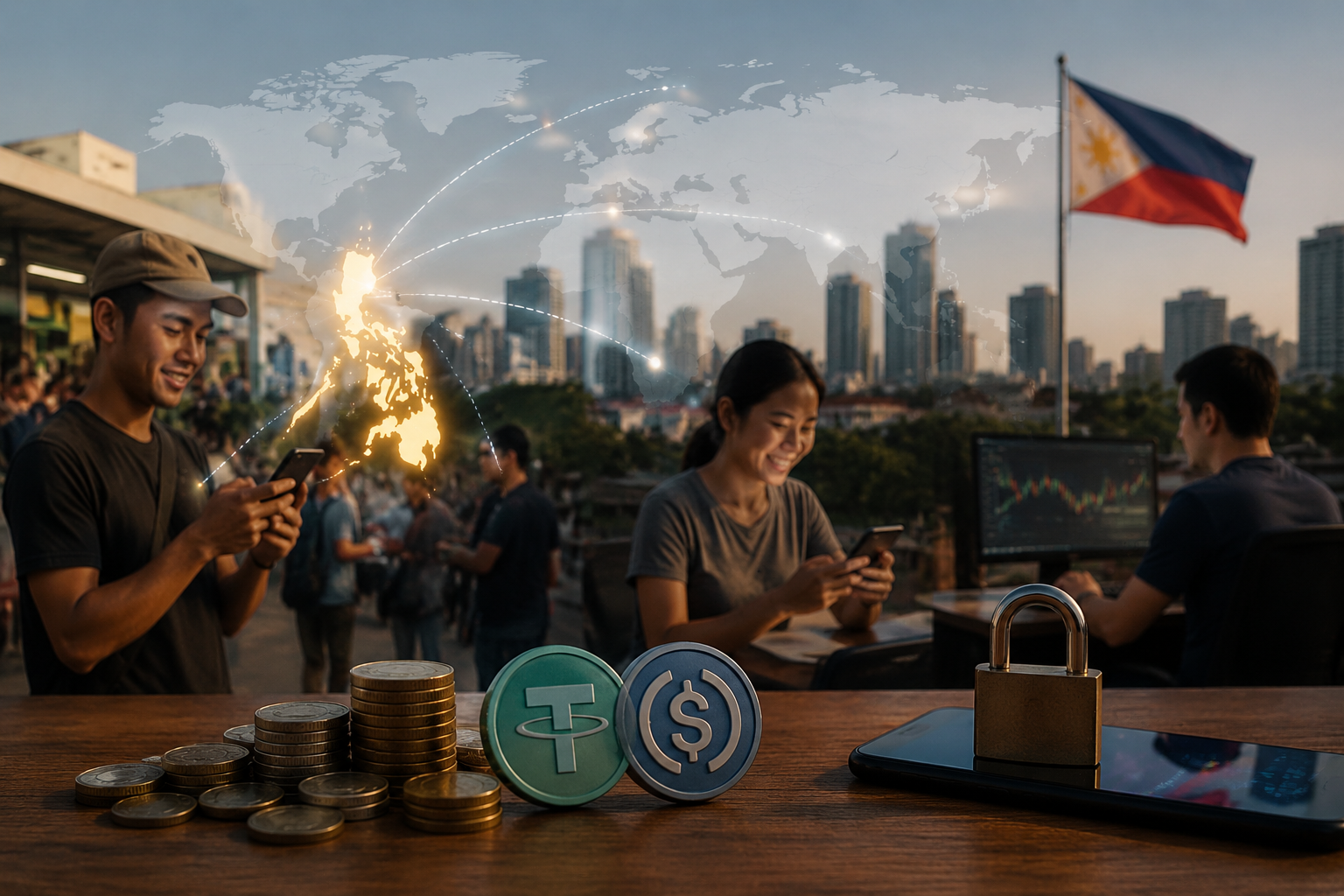
Stablecoins have become one of the most important segments of the cryptocurrency industry in the Philippines, offering faster cross-border payments, protection against currency volatility, and easier access to digital financial services. However, as adoption increases, stablecoin providers and users are facing new challenges related to regulation, market competition, security, and financial transparency.
The Philippines has emerged as one of Southeast Asia’s most active crypto markets, supported by a young digital population, a large overseas workforce, and strong demand for efficient remittance solutions. Stablecoins such as Tether (USDT) and USD Coin (USDC) have gained popularity because they allow Filipinos to transfer value internationally without relying entirely on traditional banking systems.
According to the Bangko Sentral ng Pilipinas (BSP), the country continues to strengthen its digital asset oversight framework as virtual asset activity expands. The latest regulatory information can be accessed through the official BSP website: https://www.bsp.gov.ph
Stablecoin Growth Driven by Remittances and Digital Finance Demand
One of the biggest drivers behind stablecoin adoption in the Philippines is the country’s massive remittance economy. Millions of Filipinos working abroad regularly send money home, creating demand for faster and cheaper transfer options.
Stablecoins provide an alternative by enabling near-instant settlement compared with traditional remittance channels that may require longer processing times and higher fees. For freelancers, online businesses, and digital workers receiving international payments, stablecoins can also reduce dependency on foreign exchange services.
However, the same advantages that attract users also create regulatory concerns. Authorities must balance innovation with consumer protection, especially as more individuals use digital assets for everyday financial activities.
New Regulatory Challenges Facing Stablecoin Issuers
In 2026, stablecoin companies are facing increasing pressure to prove that their tokens are fully backed, transparent, and compliant with financial regulations. Unlike traditional cryptocurrencies, stablecoins depend heavily on trust because users expect their value to remain connected to assets such as the US dollar.
The collapse of several crypto-related platforms in previous years has increased global attention toward reserve management and risk controls. Philippine regulators are becoming more focused on preventing fraud, protecting consumers, and ensuring that digital asset companies maintain responsible operations.
For stablecoin issuers operating in the Philippines, compliance costs may rise as authorities demand stronger reporting standards and clearer operational structures. Smaller providers could struggle to compete, while established companies with stronger financial transparency may gain market confidence.
The Competition Between Innovation and Financial Stability
The future of stablecoins in the Philippines will depend on how effectively the industry addresses the relationship between innovation and regulation. Digital assets offer significant opportunities, but uncontrolled growth could introduce risks involving money laundering, market manipulation, and consumer losses.
A key development is the increasing integration between traditional financial institutions and blockchain technology. Banks, fintech companies, and payment platforms are exploring digital settlement systems that could incorporate stablecoin technology while maintaining regulatory safeguards.
The Philippines could become a regional example of how emerging economies use stablecoins to improve financial inclusion. However, long-term success will depend on public trust, regulatory clarity, and technological reliability.
Real-World Perspective: Stablecoins at a Turning Point
The current stablecoin landscape in the Philippines reflects a broader global shift. Users are no longer viewing stablecoins only as cryptocurrency trading tools but increasingly as practical payment instruments.
For overseas Filipino workers, digital entrepreneurs, and communities with limited banking access, stablecoins represent financial flexibility. Yet the industry must overcome questions surrounding transparency, regulation, and security before achieving wider mainstream acceptance.
The challenge for 2026 is not whether stablecoins can grow, but whether they can mature into a trusted part of the Philippine financial ecosystem while meeting higher expectations from regulators and users.