
NFTs Are Becoming a Marketing Layer, Not Just a Digital Collectible
For Filipino creative entrepreneurs, the most valuable role of a non-fungible token may have little to do with selling expensive digital images. Its stronger long-term potential lies in marketing: proving authenticity, telling a product’s story, rewarding loyal customers and connecting local creators with buyers beyond the Philippines.
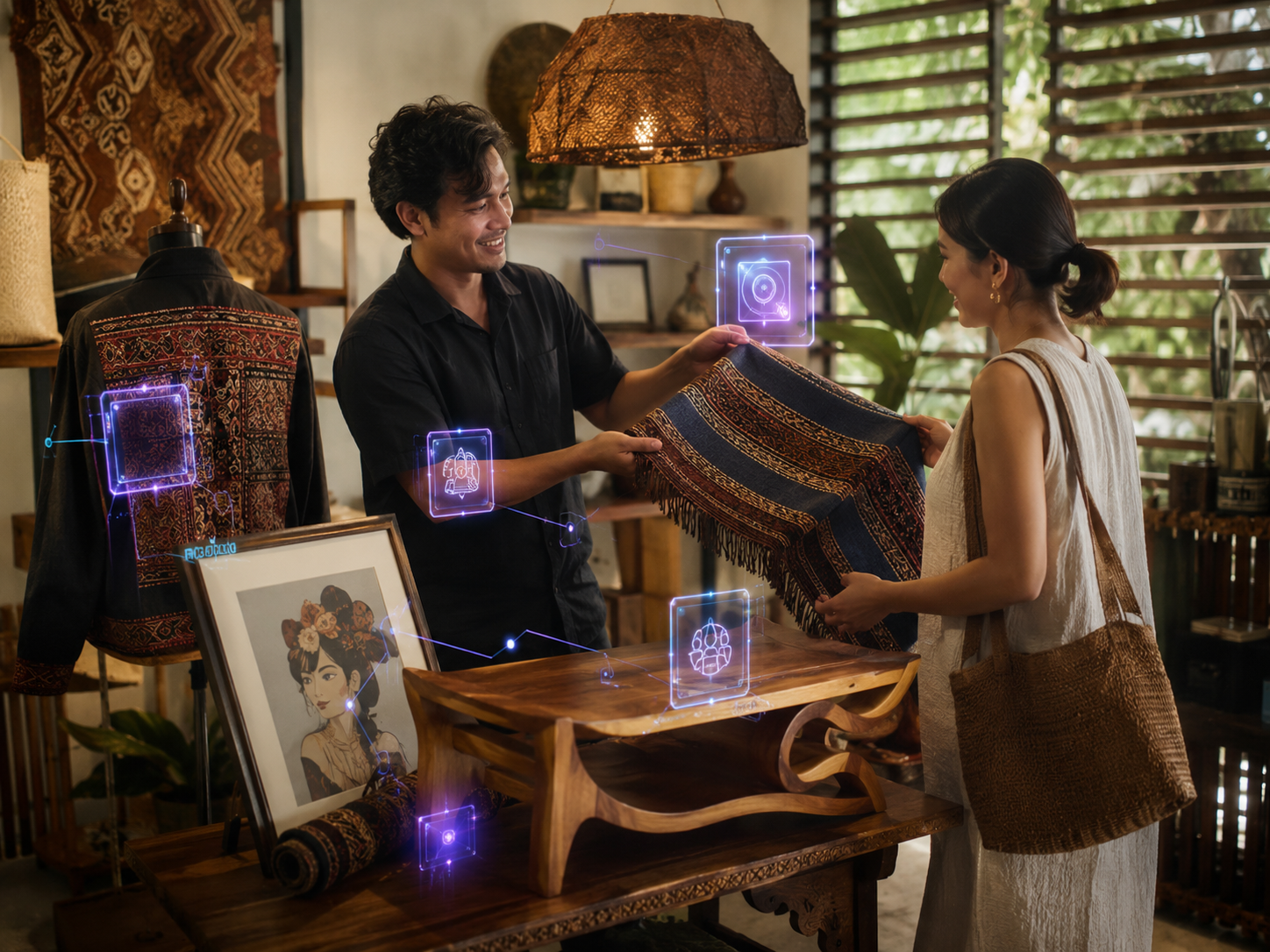
This distinction matters as the NFT market moves away from its speculative image. A Cebu furniture studio, a Manila illustrator or a weaving community in Mindanao does not need to become a cryptocurrency company. Instead, an NFT can function as a digital certificate attached to a limited-edition product, documenting its creator, origin and ownership history on a blockchain.
The result is a new form of “phygital” marketing, where a physical product and a verifiable digital asset strengthen each other.
The Philippine Advantage: Culture That Already Has a Story
Filipino creative products are particularly suited to this model because many are built around identity, craftsmanship and cultural narratives. Handwoven textiles, independent fashion, comics, prints, music, designer toys and contemporary art all gain value when buyers understand who made them and why the work matters.
The country also has a policy framework that recognizes the economic importance of creativity. The Philippine Creative Industries Development Act, or Republic Act No. 11904, provides a national framework for supporting sectors including design, visual arts, digital media and cultural activities. The official law can be read at LawPhil.
For local brands, NFTs can add a traceable digital layer to that broader creative economy.
A Real Philippine Context: From Digital Art to Cultural Heritage
One of the most revealing Philippine examples has been the use of NFTs to bring established Filipino art and cultural imagery to digitally native collectors. Platforms and projects such as Scarletbox helped introduce blockchain-based collecting through works connected with recognized Filipino artists and cultural figures.
The marketing lesson is more important than the technology itself. These projects showed that an NFT campaign becomes stronger when it is anchored in recognizable intellectual property, cultural history or a physical collector experience.
A local fashion label, for example, could issue 100 numbered jackets with matching digital certificates. The token might unlock a studio visit, early access to the next collection or a private online community. A visual artist could pair each limited-edition print with a blockchain record that helps buyers verify the official edition.
Why This Can Work Better Than Conventional Social Media
Social media creates attention, but platforms control the audience relationship. An NFT-based membership system can give a brand a more direct connection with committed collectors.
The strongest campaigns can combine four elements:
- Authenticity: buyers can verify that a limited edition came from the official creator.
- Access: token holders receive previews, events or exclusive releases.
- Storytelling: the digital asset records the product’s origin and creative process.
- Community: collectors become participants rather than one-time customers.
The Biggest Risks Filipino Creators Must Address
NFT marketing also carries serious challenges. Complicated wallets, transaction fees, cryptocurrency volatility and scams can discourage ordinary buyers. Intellectual-property disputes are another risk: owning an NFT does not automatically transfer copyright.
For this reason, local brands should avoid launching tokens merely because the technology sounds innovative. The product must remain valuable even without speculative resale.
The most credible strategy for Filipino creators is therefore not “sell an NFT and hope its price rises.” It is to use blockchain selectively as a tool for provenance, membership and global storytelling. For the Philippines, the real opportunity is turning local cultural value into a stronger, more transparent relationship between creator, product and collector.